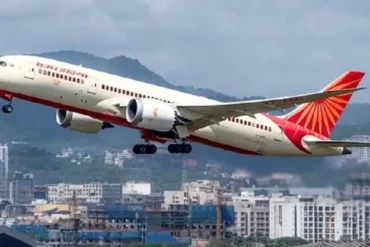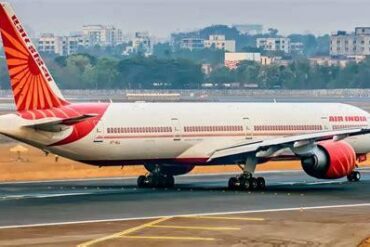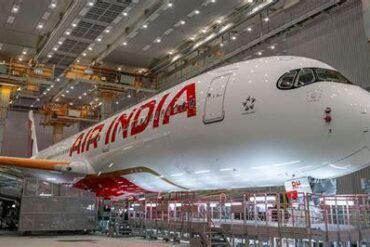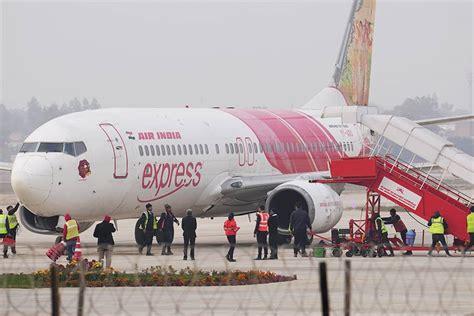
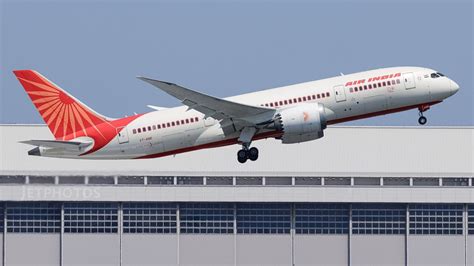
On Sunday, June 29, 2025, Air India Flight AI357, a scheduled long-haul service from Tokyo’s Haneda Airport to Delhi’s Indira Gandhi International Airport, made an emergency diversion to Netaji Subhas Chandra Bose International Airport in Kolkata after persistent cabin temperature issues were detected mid-flight. The Boeing 787 Dreamliner, known for its high-efficiency and long-range capability, began experiencing unusually warm cabin temperatures, forcing the cockpit crew to initiate a diversion procedure in accordance with safety protocols.
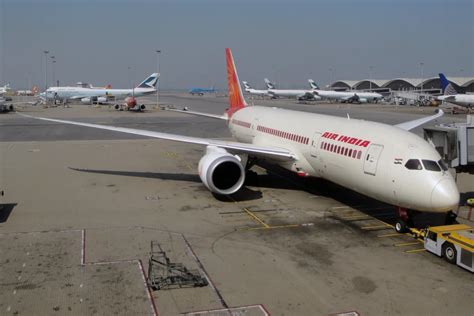
The decision to reroute the aircraft was made swiftly after onboard systems failed to regulate the internal temperature adequately, which posed a comfort and safety risk to both passengers and crew. Though such malfunctions are rare on a modern wide-body aircraft like the 787, the persistence of the issue triggered a precautionary response. Air India, in a public statement, emphasized its commitment to safety and swift crisis management, stating that the aircraft was immediately taken in for technical inspection by ground engineers upon landing in Kolkata.
The airline noted that the temperature issue was not a fleeting anomaly, but a sustained malfunction, which warranted a thorough investigation before allowing the aircraft to continue to its final destination. Technicians began extensive diagnostics to isolate and rectify the environmental control system (ECS) malfunction. The affected passengers were met with on-ground support in Kolkata, with alternative travel arrangements being made to ensure their timely arrival in Delhi.
Air India’s Immediate Response and Passenger Support
In its official response, Air India apologized for the inconvenience caused and stated, “We are actively managing the situation. Passenger well-being is our top priority.” Passengers were reportedly provided refreshments, accommodation for longer delays, and updates about their onward travel. The airline’s local operations team in Kolkata worked alongside ground handling staff to ensure smooth logistics and coordination.
Despite the frustration experienced by travelers, no medical emergencies were reported due to the rising temperature in the cabin. This speaks volumes to the quick and professional decision-making by the flight crew in handling the situation proactively.
A Series of Disruptions: Mounting Pressure on Air India
The incident involving Flight AI357 was the second major disruption within 24 hours for Air India. Just a day prior, on Saturday, June 28, another flight headed for Chennai had to return to Mumbai after passengers reported a burning smell inside the cabin. The aircraft was grounded immediately upon return, and a thorough investigation was initiated by Air India’s technical team. Although the issue was resolved and the aircraft later cleared for departure, the repeated nature of these events has raised questions regarding maintenance protocols.
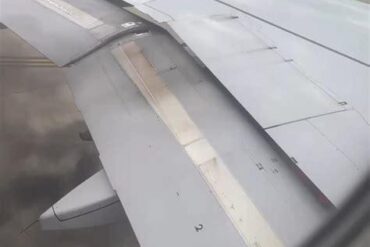
Compounding this sequence of failures, a bizarre yet significant delay occurred on Friday, June 27, when a flight from Mumbai to Bangkok was held on the tarmac for nearly five hours after hay was found lodged inside the aircraft wing. The source of the hay remains unclear, but the incident triggered another wave of criticism directed at the airline’s ground inspection processes and airport operational management.
Lingering Shadows from the Ahmedabad Tragedy
These operational mishaps unfold under the looming shadow of Air India’s tragic accident on June 12, when a Boeing 787-8 aircraft crashed in Ahmedabad, resulting in the death of 270 passengers and crew. The incident was one of the worst in Indian aviation history and sent shockwaves through the global aviation community. While it remains under investigation, the Aircraft Accident Investigation Bureau (AAIB) has been tasked with exploring all potential causes—including mechanical failure, human error, and sabotage.
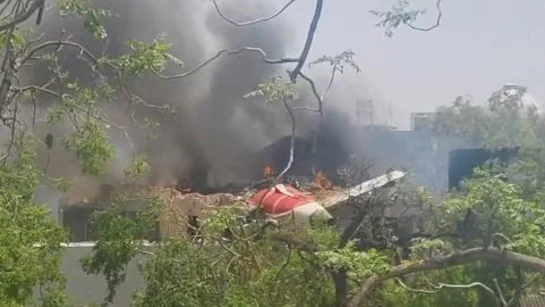
The flight’s black box and cockpit voice recorders are being analyzed at the newly inaugurated Delhi-based laboratory equipped for advanced data decoding. Until definitive conclusions are drawn, the crash remains a dark reminder of the consequences of any lapse in safety standards. These recent diversions and delays, although not fatal, add another layer of urgency to the matter.
Safety First or Reactive Crisis Management?
While Air India maintains that its “safety-first” approach is non-negotiable, the string of high-profile malfunctions and irregularities in June alone paints a different picture. Critics argue that the airline’s reactive measures—however professional in the moment—suggest systemic flaws in its fleet management, technical oversight, and perhaps even its operational culture.
Aviation analysts suggest that repeated incidents within such a short time frame often indicate overstretched resources, delayed maintenance cycles, or gaps in crew training. For a full-service international airline like Air India, which represents the country on global aviation platforms, these lapses can significantly affect reputation and traveler confidence.
Air India’s Review and the Path Forward
In response to mounting public concern and regulatory pressure, Air India has initiated a comprehensive internal review of all current operational, safety, and maintenance protocols. Senior management has reportedly met with representatives from the Directorate General of Civil Aviation (DGCA) and the Ministry of Civil Aviation, pledging complete transparency and cooperation during ongoing investigations.
The airline is also believed to be upgrading its technical training programs, adding more frequent aircraft inspections, and implementing new AI-powered monitoring systems across its fleet. These changes, though welcome, will take time to impact frontline operations. Until then, the airline remains in a delicate balance of managing public relations and safeguarding aviation safety.
The Human Factor: Crew Under Pressure
In the case of AI357, sources reveal that the cabin crew remained calm and professional throughout the flight. Passengers noted their swift communication, timely beverage service despite heat issues, and efficient distribution of information regarding the unscheduled landing in Kolkata. Crew resilience often becomes a hidden asset during in-flight anomalies, and AI357’s team is now being credited for maintaining order and minimizing panic.

Flight attendants and pilots are increasingly operating under stressful conditions, particularly in airlines facing resource constraints. Training programs focusing on crisis management and passenger engagement have become indispensable tools in today’s operational environment.
Implications for Future Operations
While the airline continues to serve a crucial role in India’s international connectivity, it must now wrestle with rebuilding trust—a task far more difficult than managing a diverted flight. Passengers today are not only looking for affordable fares and expansive route networks, but also for consistency in service quality and unwavering safety standards.
The coming months will be a litmus test for Air India. The management’s ability to resolve internal lapses, embrace technological reform, and remain transparent with the flying public will determine the future trajectory of India’s national carrier. As the aviation industry continues its post-pandemic rebound, safety concerns remain non-negotiable.
For travelers, the events surrounding Flight AI357 serve as a sharp reminder that even the most routine long-haul flights can turn into logistical challenges when systems fail mid-air. And for Air India, the episode underscores the critical importance of preemptive maintenance, clear communication, and operational accountability.
Outlook: Will Air India Rise Above the Turbulence?
As Air India embarks on its transformation journey following its acquisition by the Tata Group, the pressure to modernize is immense. From fleet overhauls to service training enhancements, and from technological upgrades to corporate cultural shifts, the airline’s ability to deliver on its promises will be scrutinized by every delayed passenger, every grounded flight, and every aviation analyst in the region.
Though the immediate crisis of Flight AI357 has been handled, the broader challenge is not over. To regain the loyalty of wary flyers and meet international safety benchmarks, Air India must prove not just in words but in consistent action that it is ready to fly safer, better, and more reliably.