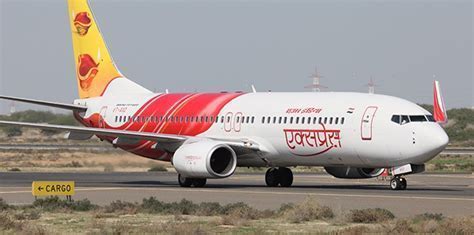
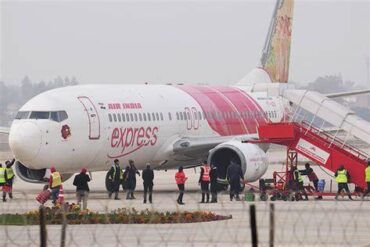
On the evening of June 21, 2025, Air India Express made headlines as its flight IX-1014, which was scheduled to travel from Delhi to Patna, was forced to divert its course due to inclement weather conditions in Patna. The flight, originally set to arrive at Patna Airport by 5:40 PM, encountered heavy rainfall and poor visibility, prompting the crew to make a critical decision to reroute to Varanasi instead. This move, while unexpected, was deemed necessary to ensure the safety of the passengers and crew aboard.
The diversion decision highlights the airline’s commitment to prioritizing passenger safety over schedule adherence. According to an Air India Express spokesperson, the situation unfolded rapidly as weather conditions deteriorated. “Flight IX-1014, traveling from Delhi to Patna, was diverted to Varanasi on June 21 due to inclement weather. Once the weather improved, the flight continued its journey to Patna and landed safely. We apologize for the inconvenience caused due to these unforeseen circumstances,” the spokesperson stated. This incident underscores the importance of having robust safety protocols in place within the aviation industry, allowing flight crews to respond effectively in such situations.
After safely landing in Varanasi, the aircraft remained on the ground for approximately an hour while the weather in Patna stabilized. The flight then resumed its journey, arriving at Patna Airport at 7:54 PM, which was about two hours later than originally scheduled. Despite the delay, this decision ensured that all onboard were safe during a time of unpredictable weather.
The ripple effect of this diversion was felt not only by passengers on flight IX-1014 but also by those waiting for the return flight from Patna to Delhi. Initially set to depart at 8:00 PM, the return flight experienced a delay as well, taking off at 8:47 PM, approximately 47 minutes behind schedule. Passengers were understandably anxious about their travel plans, but Air India Express took measures to keep everyone informed and updated throughout the process.
This situation echoes a similar incident just a day prior involving IndiGo Airlines. On June 20, 2025, IndiGo Flight 6E-6764, en route from Guwahati to Chennai, was forced to make an emergency landing in Bengaluru due to a fuel shortage. After initially attempting to land in Chennai, the captain issued a “Mayday” alert and, recognizing the instability of the approach, decided to abort the landing. The aircraft then diverted to Bengaluru, successfully landing without any harm to the 168 passengers aboard. This timely response from the IndiGo crew emphasizes the critical nature of quick thinking and effective communication during emergencies.
Both incidents serve as stark reminders of the unpredictable challenges airlines face, particularly regarding weather-related disruptions. The ability of airlines like Air India Express and IndiGo to manage such unforeseen events is crucial in maintaining passenger confidence and safety. The crews involved in these flights acted in accordance with established safety protocols, ensuring that the situation was handled efficiently and effectively. Their professionalism and commitment to safety stand as a testament to the rigorous training that airline staff undergo.
The events surrounding the diversion of Air India Express Flight IX-1014 and the emergency landing of IndiGo Flight 6E-6764 illustrate the vital role of decision-making in aviation. These occurrences emphasize how essential it is for airlines to be prepared for sudden weather changes, fuel shortages, and other unexpected challenges that can arise during flight operations. The actions taken by the flight crews not only ensured the safety of passengers but also highlighted their readiness to tackle adverse situations with composure and expertise.
As the aviation industry continues to evolve, the lessons learned from these incidents reinforce the need for ongoing training and preparedness among airline personnel. Passengers rely on airlines not just for transportation, but for assurance that their safety is the foremost priority. With ever-changing weather patterns and increasing air traffic, the importance of having solid contingency plans in place cannot be overstated.
In conclusion, while the Air India Express and IndiGo incidents resulted in significant disruptions for travelers, the swift responses from both airlines showcased their unwavering dedication to safety. As the aviation sector navigates the complexities of air travel, these events serve as crucial reminders of the importance of safety protocols, thorough preparation, and prompt decision-making in ensuring passenger welfare. The commitment of airlines to prioritize their passengers’ safety above all else will remain a cornerstone of the aviation industry’s integrity and reliability.