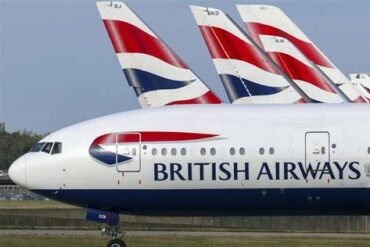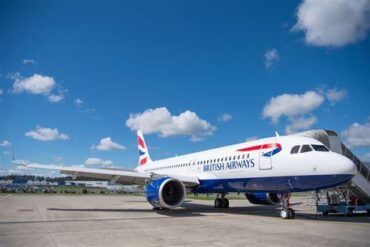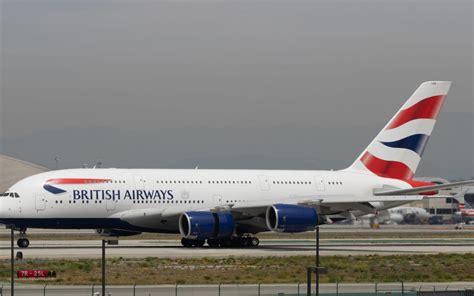
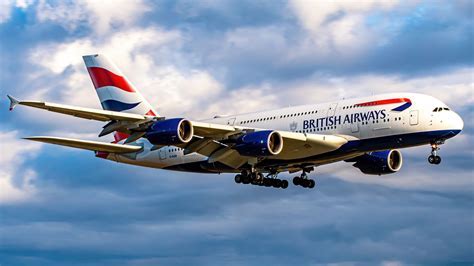
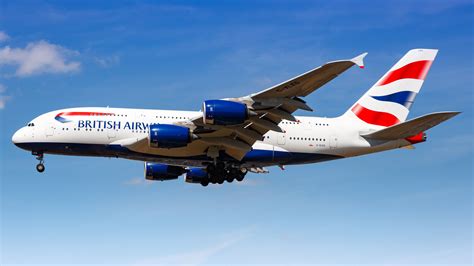
British Airways Flight BA209, scheduled to land in Miami International Airport (MIA) after a transatlantic journey from London Heathrow (LHR), was dramatically rerouted to Orlando International Airport (MCO) on June 3 due to intense thunderstorms and dangerously reduced visibility at its intended destination. Operated with the massive Airbus A380 registered G-XLEA, the aircraft found itself caught in a cascade of weather-induced aviation chaos that rippled across the southeastern United States.
Severe Weather Forces Diversion Over Grand Bahama
What began as a routine transatlantic service quickly evolved into a logistical challenge for British Airways. Flight BA209 departed LHR at 10:00 AM BST, with a planned flight duration of 9 hours and 35 minutes. However, as the aircraft approached South Florida airspace, it encountered the consequences of a fast-developing storm system. According to advisories issued by the Federal Aviation Administration (FAA), visibility at MIA had deteriorated to just one mile, triggering a ground stop for all inbound flights.
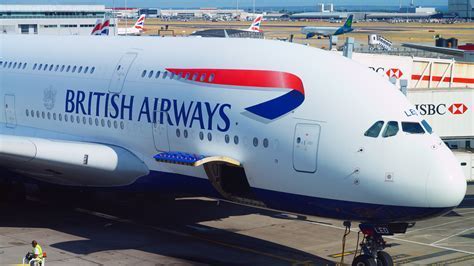
As the A380 approached the Florida coastline, it entered a prolonged holding pattern above Freeport, Grand Bahama, circling for nearly an hour. This maneuver was part of an attempt to wait out the worst of the weather, but ultimately, the severity and persistence of the storm forced British Airways to divert to MCO, nearly 200 miles north of the original destination.
Impact at Miami International: Ground Stop and Ripple Delays
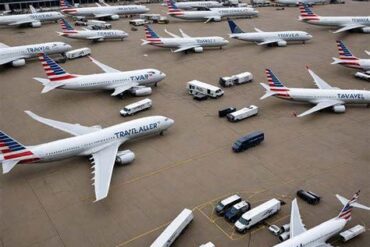
The weather event brought Miami International Airport to a near standstill. By 20:20 GMT, data from FlightAware indicated that at least 368 flights were delayed and 20 flights were outright canceled. Both domestic and international carriers were affected as the weather system brought lightning, intense rainfall, and low cloud ceilings to the region.
Inbound aircraft across multiple airlines either entered holding patterns, diverted to alternative airports such as Fort Lauderdale (FLL), Palm Beach (PBI), and Orlando (MCO), or were delayed at their origin. The ground stop issued by the FAA effectively froze incoming air traffic, contributing to cascading delays that extended beyond Florida and disrupted flight schedules across the eastern seaboard and even into transatlantic operations.
The A380 Factor: Challenges of Handling a Superjumbo
The Airbus A380, the world’s largest passenger aircraft, poses additional logistical hurdles during unscheduled diversions. Although Orlando International Airport is well-equipped with long runways and modern terminal facilities, the surprise arrival of a wide-body aircraft of this size presents challenges in terms of gate availability, ground handling equipment, and passenger disembarkation logistics.
Passengers on board the A380 reported extended taxiing and waiting periods on the tarmac as airport crews adjusted to the sudden influx of an aircraft that isn’t part of their daily operations. There were also reports of delays in luggage handling and limited customs staff available to process an international flight arriving outside of scheduled hours.
Broader Operational Fallout and Return Flight Uncertainty
One immediate consequence of the diversion was the uncertainty surrounding the return flight BA206, scheduled to depart MIA later that evening for London Heathrow. As of the latest updates, British Airways had not confirmed whether the aircraft would continue on to MIA once weather conditions improved or whether it would return directly to the UK from Orlando.
This uncertainty presents complications not just for BA206 passengers but also for ground staff, catering, crew scheduling, and slot allocations at both Miami and Heathrow. Flight disruptions of this scale often trigger a domino effect, impacting subsequent flights for days until the airline can realign its fleet and crew rotations.
Regional Airline Disruption Beyond British Airways
British Airways was far from the only carrier grappling with South Florida’s tempestuous skies. Multiple other airlines—both domestic and international—were forced to reroute, delay, or cancel flights due to the hazardous conditions at MIA. JetBlue, American Airlines, Delta, and LATAM all experienced significant operational hurdles, particularly for services inbound from Latin America and the Northeast U.S.

Meteorological data confirmed that the storm system affecting South Florida was among the most severe of the season, with sustained thunderstorms and localized flooding conditions. The National Weather Service (NWS) had issued warnings hours before the event, but the rapid intensification and low visibility created an acute hazard for flight operations.
Passenger Experience and Airline Communication
Reports from passengers aboard BA209 described the experience as both unsettling and tedious. Although the mood onboard remained calm, the nearly hour-long holding pattern followed by an unexpected landing in Orlando led to confusion about rebooking, onward connections, and baggage claims. British Airways issued standard advisories through its app and social media channels but provided limited in-the-moment guidance on whether transportation to Miami would be arranged or when the return flight would proceed.
Many travelers expressed concern about missing connecting flights from MIA or losing non-refundable hotel and car rental reservations. Some praised the cabin crew for remaining composed and communicative during the holding phase, while others criticized the lack of ground-level assistance once the flight landed in Orlando.
Looking Ahead: Weather, Resilience, and Airline Strategy
Severe weather is an ever-present threat to airline reliability, particularly during the summer months in the southeastern United States. This incident underscores the importance of flexible contingency planning for carriers operating long-haul international routes into volatile weather zones. Airlines like British Airways must constantly evaluate whether to delay departures from their hubs, reroute flights earlier in their path, or invest in improved forecasting and operational coordination.
For passengers, events like this highlight the unpredictable nature of modern air travel. While aircraft like the Airbus A380 offer unparalleled comfort and range, they also complicate last-minute changes due to their size and infrastructural needs.
Final Thoughts on the British Airways A380 Diversion to Orlando
The June 3 diversion of British Airways Flight BA209 stands as a textbook example of how severe weather can abruptly reshape global aviation logistics. From a clear-skied departure at Heathrow to a complex diversion scenario over the Bahamas, the event tested the adaptability of both crew and ground teams across multiple airports.
It also brought into sharp focus the vulnerabilities of even the best-prepared airlines when confronting the dual challenges of meteorological unpredictability and infrastructural constraints. While the decision to divert was undoubtedly made in the interest of safety, the aftershocks—delayed flights, stranded passengers, and logistical confusion—serve as a potent reminder of how high the stakes remain in international aviation.
As British Airways evaluates the downstream impact on its operations and passengers recalibrate their travel plans, the industry as a whole is once again reminded of the delicate balance between ambition and adaptability in the skies.