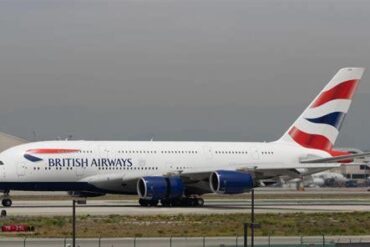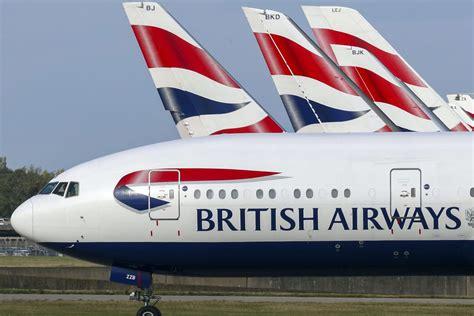
Passengers aboard British Airways Flight BA209 from London Heathrow to Miami International Airport faced an unexpected detour and long delays on June 2, as severe storm systems over southern Florida forced the Airbus A380 to divert mid-flight, ultimately landing at Orlando International Airport (MCO) instead. The diversion, prompted by extremely low visibility and hazardous weather conditions, caused substantial disruption not just for the 469 passengers onboard but also across the southeastern United States’ air traffic network.
Turbulence, Storms, and a Change in Destination
What began as a routine transatlantic journey turned into a logistical ordeal as British Airways Flight BA209 took off from London Heathrow at 10:00 AM BST on June 2. The flight was scheduled to arrive in Miami after approximately nine and a half hours. However, shortly after entering U.S. airspace and approaching the Bahamas, the aircraft encountered violent weather patterns obstructing the descent into Miami.
Air traffic controllers directed the aircraft into a holding pattern above Freeport, Bahamas, in hopes that the storm would clear. Yet, visibility had deteriorated to just one mile—far below the three-mile minimum normally required for a safe approach. As a result, British Airways made the decision to divert the flight to Orlando, about 230 miles north of Miami.
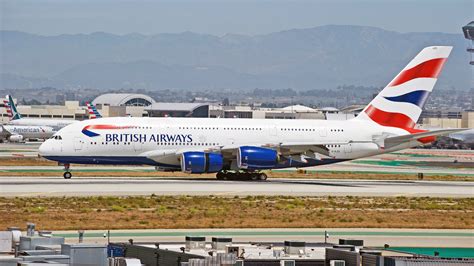
The aircraft touched down at Orlando International Airport after circling in holding for nearly an hour, extending the total flight time significantly and leaving passengers disoriented and uncertain about what would happen next.
System-Wide Disruption Across South Florida Airports
The impact of the storm extended far beyond one aircraft. According to data from FlightAware, at least 368 flights into and out of Miami International Airport (MIA) were delayed, and 20 flights were outright cancelled. With tropical storm activity hovering over the Atlantic coast, much of South Florida’s air corridor was affected, straining airport logistics and rerouting protocols.
Neighboring airports, including those in Tampa, Fort Lauderdale, and Jacksonville, experienced a surge in unplanned arrivals, resulting in overloaded ground services and redirected baggage systems. British Airways was one of several carriers forced to reorganize schedules, divert flights, and scramble hotel accommodations for stranded travelers.
Disruption Spills into Return Flight and London-bound Travelers
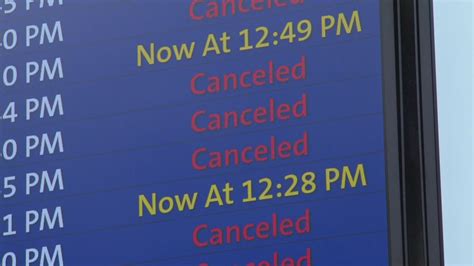
The ripple effects of the initial diversion did not end in Orlando. BA209 was originally scheduled to return as Flight BA206 back to London Heathrow that same evening. The return flight was slated for a 5:00 PM EST departure, but due to the diversion, the aircraft could not be prepared in time.
As a consequence, Flight BA206 did not leave Orlando until 11:03 PM, causing a five-hour delay for hundreds of passengers waiting in Florida to return home. It was expected to land in London at around noon on June 3, nearly half a day later than originally scheduled. Many passengers expressed frustration over the extended wait and lack of clear communication during the delay.
A Closer Look at the Meteorological Conditions
The cause of the disruption stemmed from a rapidly intensifying storm system that developed over the southern tip of Florida and the surrounding Gulf waters. According to National Weather Service reports, the system brought sustained winds exceeding 40 mph, torrential rainfall, and localized lightning activity, creating significant hazard conditions for any inbound flights attempting final approach at Miami.
These extreme weather conditions led to temporary airport ground stops, meaning aircraft already en route had to either hold or divert. In BA209’s case, even after holding above Freeport, no safe window opened, necessitating the pivot to Orlando.
Operational Challenges and Airline Logistics Under Pressure
Handling an A380 diversion is not a trivial task. The Airbus A380, the world’s largest passenger plane, requires specialized gate infrastructure and longer runways, something not all U.S. airports are equipped to handle. Fortunately, Orlando International is one of the few southeastern airports capable of receiving such a large aircraft on short notice.
Still, the diversion posed massive logistical hurdles:
- Rebooking connecting flights for onward travel from Miami
- Hotel accommodations for overnight delays
- Shuttling passengers and crew between Orlando and Miami
- Crew time-out and rest requirements, further complicating schedules
British Airways ground staff in both Orlando and Miami worked overtime, redirecting passenger luggage, organizing transport, and coordinating re-departure efforts. Many passengers, however, reported difficulty accessing timely updates through the BA app and call centers.
A Wider Regional Impact and Systemic Strain
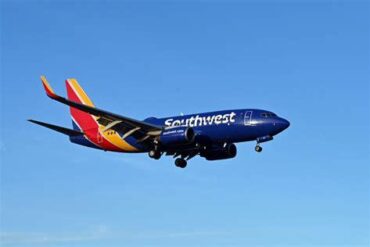
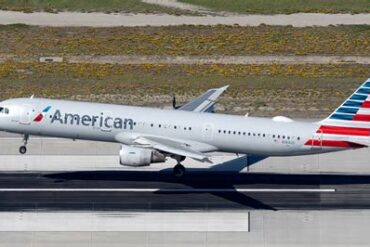
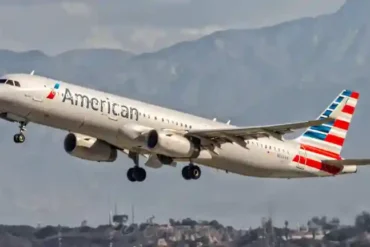
British Airways was not the only airline to face adversity. Carriers including American Airlines, Delta, JetBlue, and Southwest also diverted flights or experienced massive delays across the region. In all, hundreds of thousands of passengers were impacted by a system-wide delay that lasted nearly 12 hours.
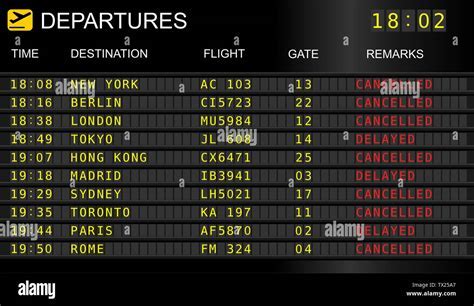
The FAA issued Temporary Flight Restrictions (TFRs) over portions of southern Florida, adding pressure on rerouted traffic in already busy sectors. Orlando’s airspace became congested as multiple aircraft sought clearance to land, and hotels in the vicinity were quickly filled by last-minute arrivals.
Airport officials noted that the limited terminal capacity, especially at peak evening hours, contributed to passenger discomfort and slowed disembarkation from diverted aircraft. In BA209’s case, customs and immigration processing in Orlando took longer than usual due to volume and procedural coordination.
British Airways’ Official Response and Passenger Sentiment
In a statement released on June 3, British Airways acknowledged the disruption, attributing the decision to divert as a necessary safety precaution. “We apologize to our customers for the inconvenience caused by the severe weather. The safety of our passengers and crew remains our top priority,” said the airline’s spokesperson.
Nonetheless, affected passengers voiced a range of complaints, from unclear rebooking instructions to long wait times for assistance and minimal in-flight communication. Some took to social media to express frustration, noting that food and beverage services on the ground in Orlando were inadequate for the number of stranded travelers.
Others praised the professionalism of the cabin crew, who remained calm and courteous throughout a turbulent situation. Despite the widespread inconvenience, there were no reported injuries or onboard incidents during the diversion.
Conclusion: A Snapshot of Fragile Air Mobility in Extreme Weather
This incident underscores how quickly a well-orchestrated global route can unravel under the force of nature. The London to Miami route, typically uneventful, became emblematic of how vulnerable even high-capacity, long-haul flights are to atmospheric volatility. The effects rippled far beyond the initial aircraft, revealing the interconnected fragility of international air travel, especially when facing increasingly unpredictable weather patterns linked to climate change.
As aviation systems continue to adapt to meteorological extremes, this event will likely prompt airlines and airports to reexamine protocols for diversions, communication strategies, and infrastructure readiness. For the passengers of BA209 and BA206, it will remain a memorable reminder of how, in aviation, nature still commands the final word.