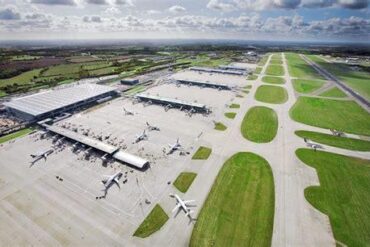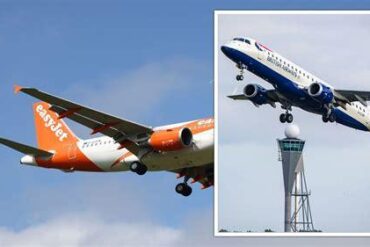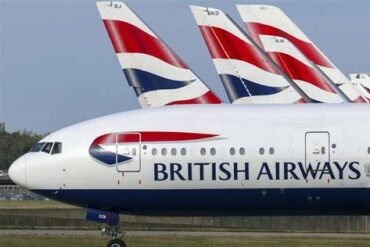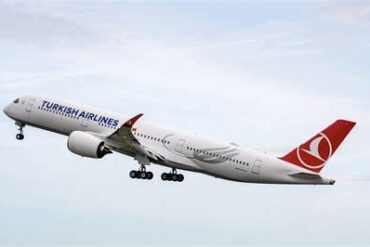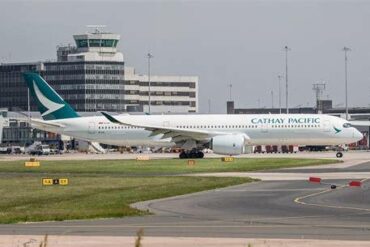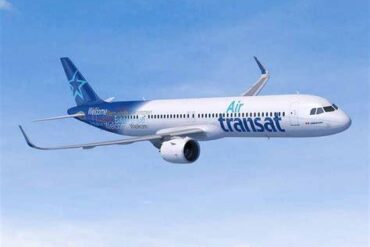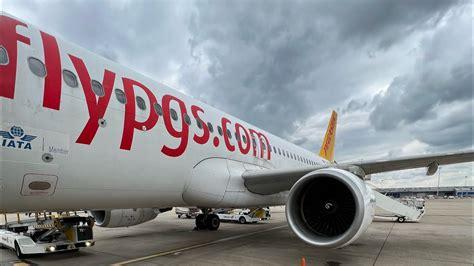
London Stansted has long lived in the shadow of Heathrow and Gatwick, but a seismic shift is underway. Turkish Airlines is set to launch a direct Istanbul–Stansted service on March 18, 2026, joining British Airways, Transavia, Jet2, Pegasus and Ryanair in a dramatic expansion that redefines London’s airport hierarchy. Passengers across the UK and beyond can now anticipate a wave of fresh routes, enhanced schedules and seasonal offerings that promise to reshape travel patterns and fuel intense competition across Europe and Asia.
The decision by Turkish Airlines to make Stansted its third London gateway underscores a strategic vision to tap into under‑served markets. While Heathrow remains synonymous with premium long‑haul travel and Gatwick balances leisure and short‑haul segments, Stansted’s cost‑effective operations, ample runway slots and proximity to tech hubs such as Cambridge present an irresistible proposition. This move not only promises unprecedented convenience for travellers north and east of London, but also marks a bold statement of intent: Stansted is no longer content to play second fiddle.
Passengers waiting at departure gates will soon witness a flurry of activity as multiple carriers vie for their attention. British Airways is polishing its seasonal Bergerac flight, Transavia is forging new ties to Rotterdam, Jet2 is unlocking hidden gems like Pula and Bergen, Pegasus is channeling Turkey’s vibrant soul via Gaziantep and Kayseri, and Ryanair’s empire-building continues unabated. Amid this whirlwind of announcements, Turkish Airlines stands out by offering a seamless bridge between Europe and Asia through Istanbul’s award‑winning hub.
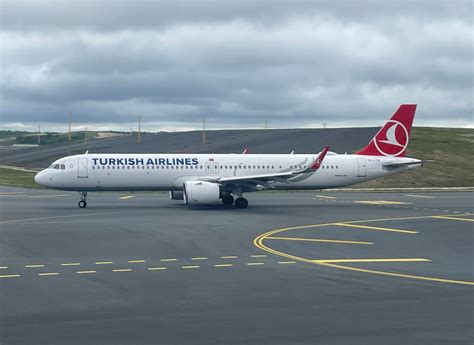
A Bold New Chapter for Turkish Airlines—and London Stansted
Turkish Airlines’ upcoming Istanbul–Stansted service represents more than a mere route addition. Launching on March 18, 2026, the airline will operate ten weekly flights using state‑of‑the‑art Airbus A321neo aircraft. These modern jets deliver lower fuel burn, quieter operations and spacious cabins that cater to both business and leisure flyers. By designating Stansted as its third London outpost—alongside Heathrow and Gatwick—Turkish Airlines aims to reshape Europe–Asia travel patterns, unlock new passenger markets and ignite a fresh round of competition among Europe’s top carriers.
Why London Stansted Matters Now
London’s aviation landscape is fiercely contested, and traditional hubs face capacity constraints and skyrocketing fees. In contrast, Stansted offers a goldmine of untapped potential. Nestled northeast of Central London, it provides swift links to vibrant tech clusters, university towns and commuter belts. Cost‑efficient slot availability and a streamlined terminal experience appeal to travellers seeking convenience without Heathrow’s delays. Turkish Airlines recognizes this edge: by capturing passengers reluctant to navigate Heathrow’s labyrinth, the carrier can cultivate loyalty and broaden its network reach.
A Robust Schedule to Match Ambition
Turkish Airlines isn’t test‑piloting Stansted; it’s committing fully. The ten weekly departures span morning, afternoon and evening windows:
- Outbound from Istanbul:
- Morning departure at 08:45
- Afternoon service at 15:15
- Evening flight at 21:10
- Inbound to Istanbul: Multiple return slots catering to early‑risers and late‑night travellers
This diversified timetable underscores Turkish Airlines’ confidence that Stansted will rapidly evolve into a vital gateway. By offering flexibility, it appeals to corporate travellers with tight schedules and leisure passengers seeking choice.
Istanbul: A Powerhouse Hub Connecting East and West
Istanbul Airport has emerged as one of the world’s most dynamic aviation hubs. Handling over 64 million passengers in 2023 and witnessing a 15% surge in international traffic in 2024, it embodies modern airport design—sleek terminals, efficient transfers and world‑class lounges. For London Stansted travellers, Istanbul represents a springboard to destinations across Asia, the Middle East and Africa. Whether pursuing business in Dubai, leisure in Bangkok or cultural discoveries in Cairo, passengers can connect seamlessly with minimal layovers.
A Strategic Move in a Fierce Market
Expanding into Stansted is no accident. The London–Istanbul corridor ranks among Europe’s most competitive, yet Heathrow’s high fees and slot scarcity limit growth. Gatwick caters predominantly to leisure traffic, leaving a gap for full‑service carriers at secondary airports. Turkish Airlines exploits this niche, capitalizing on post‑pandemic travel demand and the airline’s ambition to span more markets. By anchoring Stansted, it secures runway real estate and positions itself ahead of rivals eyeing similar moves.
Fueling Growth and Global Ambitions
Turkish Airlines isn’t content with incremental gains. The carrier has declared plans to double its fleet and passenger volumes by 2033, targeting revenues north of $50 billion. Introducing Stansted complements this trajectory: secondary airports offer network redundancy, relieve congestion at primary hubs and open corridors to emerging markets. Coupled with strategic partnerships and a modern, fuel‑efficient fleet, Turkish Airlines is poised to expand rapidly across Europe and beyond.
How Travelers Will Benefit
For passengers, the Stansted launch translates into tangible perks. Avoiding Heathrow’s notorious delays means smoother check‑ins and quicker transfers. Stansted’s quieter terminals and efficient security lanes reduce stress, while proximity to regional rail and road networks slashes door‑to‑gate times. More route choices via Istanbul unlock access to Asia, the Middle East and Africa without excessive layovers. Increased airline competition often leads to more competitive fares, and the mix of carriers—from low‑cost to full‑service—ensures options tailored to every budget and travel style.
The Impact on London’s Aviation Ecosystem
Turkish Airlines’ arrival catalyses a broader transformation at Stansted. Traditionally dominated by budget operators, the airport now attracts full‑service carriers, prompting infrastructure upgrades, lounge expansions and premium retail offerings. This diversification enhances Stansted’s appeal to long‑haul travellers and elevates its status within the UK’s gateway portfolio. The result is a more balanced aviation ecosystem, where passengers benefit from both budget and premium services under one roof.
A Wider Tourism Ripple Effect
Beyond airline strategy, Stansted’s growth yields significant tourism dividends. Turkish Airlines channels visitors to iconic global destinations—Dubai’s skyline, Thailand’s beaches, Africa’s safari parks—while also funneling inbound travellers into the UK. Regional tourism boards around Stansted anticipate surges in hotel bookings and local excursions. From heritage tours in Cambridge to countryside retreats in East Anglia, local businesses stand to gain as visitor numbers climb.
London Stansted Bursts to Life with New Flights in 2025
The Turkish Airlines announcement caps off a banner year for Stansted. In 2025 alone:
- British Airways reinstated its seasonal Bergerac service, delighting francophiles seeking rural French retreats.
- Transavia forged its first Stansted–Rotterdam connection, bolstering UK–Netherlands commerce and leisure ties.
- SunExpress inaugurated summer flights to Kayseri, unlocking Cappadocia’s fairy chimneys and hot‑air balloon magic.
- Pegasus Airlines expanded with direct links to Gaziantep and Kayseri, spotlighting Turkey’s culinary and cultural treasures.
- Jet2 launched routes to Pula and Bergen, offering Adriatic coastlines and Norwegian fjords to curious explorers.
- Ryanair unleashed a suite of budget services—Bodrum, Clermont‑Ferrand, Dalaman, Linz, Lübeck, Münster and Reggio Calabria—reinforcing its low‑cost dominance.
This constellation of carriers and destinations cements Stansted’s emergence as a multifaceted hub, where premium and budget operators coexist in a spirited contest for passenger loyalty.
Travelers Win Big
The endgame? Consumers emerge as the ultimate victors. A holiday in Cappadocia’s cave hotels or a city break in Bergen is now more accessible, affordable and convenient. Stansted’s rail and highway links to northeast London, Essex and Cambridgeshire make it a compelling alternative to Heathrow’s congestion. Competitive pricing, diverse cabin options and streamlined experiences ensure that every traveller—from solo backpackers to corporate executives—finds a journey tailored to their needs.
Competition Heats Up
Stansted’s evolving identity reflects a shifting balance in London’s airport hierarchy. Low‑cost carriers still command significant share, but the entry of full‑service airlines heralds a move toward equilibrium. As competition intensifies, airlines vie with better schedules, enhanced onboard services and value‑driven fares. This competitive pressure fosters innovation, driving improvements in passenger experience across terminals and fleets alike.
Stansted’s New Identity
In 2025, London Stansted has shed its reputation as Heathrow’s quieter cousin and emerged as a vibrant nexus for European and global travel. With carriers as varied as British Airways, Transavia, SunExpress, Jet2, Ryanair, Pegasus and now Turkish Airlines planting flags, the airport welcomes cultural explorers, beach seekers, business travellers and culinary adventurers alike. Whether chasing Turkish delicacies, Norwegian fjords or Adriatic sunsets, Stansted now offers a gateway to every corner of the world—backed by service excellence, operational efficiency and pricing that appeals to the savvy traveller.
As the skies above Stansted fill with new departures, one thing is certain: the airport’s transformation is far from over. For passengers, this means more choice, greater convenience and endless possibilities. For airlines, it signals a battleground where innovation and strategy determine the leaders. And for London, it underscores the city’s unshakable status as a global aviation powerhouse—no matter which runway you fly from.