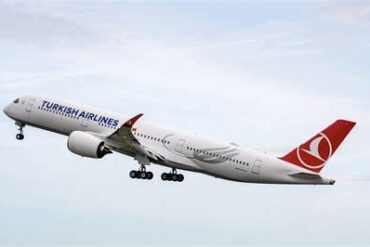
Comprehensive Overview of Turkish Airlines Lounge Departures at Istanbul Airport 2025
The Turkish Airlines Lounge Departures at Istanbul Airport represents a pivotal space designed primarily for business-class travelers seeking comfort, exclusivity, and a touch of Turkish hospitality before their flights. With its dual configuration catering separately to domestic and international departures, the lounge aims to streamline passenger flow while offering a unique cultural and culinary experience. However, despite its ambitious design and extensive amenities, passenger reviews and firsthand accounts reveal a nuanced experience that balances modern luxury with notable shortcomings.
From the outset, the lounge impresses with its variety of live-cooking food stations, showcasing a fusion of traditional Turkish flavors alongside international cuisine. The presence of Turkish tea and espresso bars underscores the airline’s commitment to national identity, providing guests with authentic tastes in a refined setting. Entertainment options such as virtual reality games and golf simulators introduce an innovative edge to the lounge atmosphere, catering to passengers looking for more than just passive relaxation. These elements position the lounge as more than a waiting area—it becomes an experiential gateway that reflects the vibrant culture of Turkey.
Seating, Comfort, and Ambience: Balancing Style and Practicality
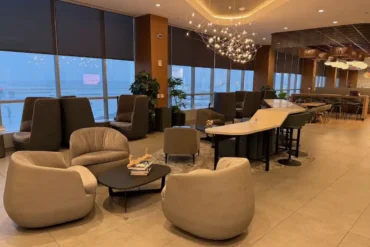
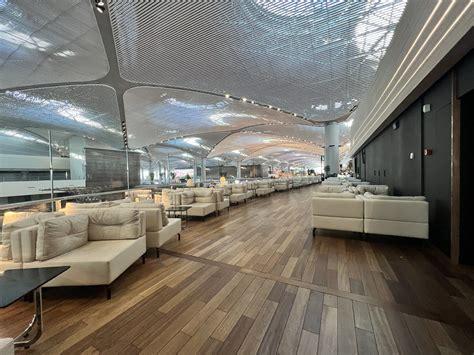
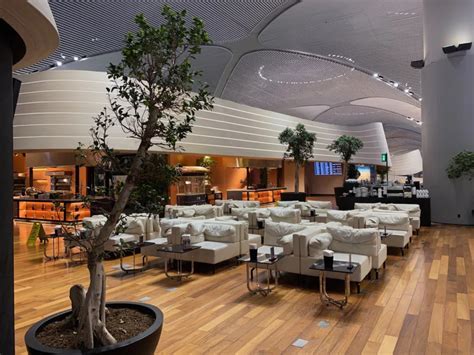
Despite the lounge’s impressive culinary offerings and entertainment options, the seating and furniture quality frequently comes under criticism. Many passengers describe the furniture as worn and aging, with insufficient ergonomic support for extended stays. The absence of dedicated quiet zones or rest suites exacerbates discomfort for those on longer layovers. The overall lighting, often perceived as too bright, coupled with terminal ambient noise filtering into the lounge space, detracts from a tranquil environment. These factors collectively diminish the otherwise elegant and spacious design, suggesting a pressing need for refurbishment and the introduction of dedicated rest areas to enhance passenger comfort.
Additionally, the scarcity of footstools and lack of varied seating arrangements undermine the lounge’s capacity to accommodate diverse passenger needs, whether for rest, work, or social interaction. The balance between open, airy design and functional comfort is crucial in such high-traffic spaces, and the current setup leans more toward aesthetics than ergonomics.
Technological Amenities: Charging Infrastructure and Workspaces
In an era where connectivity is paramount, the lounge’s charging facilities and workspace design reveal significant gaps. Passengers often report a frustrating experience locating power outlets, describing the search as a “treasure hunt” that detracts from productivity and convenience. This is especially notable considering the demographic of business-class travelers who frequently depend on their electronic devices for work and communication.
Workspaces within the lounge are limited, with few areas offering adequate desk space or privacy for focused tasks. This deficiency highlights a critical area for improvement, as seamless access to power and functional work environments are essential for maintaining the efficiency expected by premium passengers.
Boarding Experience and Lounge Layout
One of the lounge’s standout operational features is the boarding process for domestic business-class passengers. Unlike the often crowded international gates, domestic travelers benefit from boarding directly from the lounge via bussing and air stairs. This arrangement allows passengers to bypass main-cabin congestion and provides a smoother transition to their flights. However, it is worth noting that maneuvering with luggage on stairs can be cumbersome for some, particularly those with mobility challenges or heavy bags.
The lounge’s layout segregates domestic and international sections, which contributes to a more tailored passenger experience. Some reviews commend the creation of semi-quiet zones within the international lounge, formed by distinct seating areas and culinary stations, which help mitigate noise and provide pockets of calm amid the hustle.
Culinary Excellence and Guest Services
The food and beverage offerings remain the lounge’s strongest asset. Passengers consistently praise the quality and diversity of dishes, noting that the live-cooking stations allow for freshly prepared meals tailored to individual preferences. This interactive element enriches the dining experience, setting the lounge apart from many competitors that rely solely on pre-prepared buffets.
Turkish tea and espresso bars not only provide beverages but also elevate the cultural atmosphere, inviting guests to engage with Turkey’s renowned tea traditions and coffee craftsmanship. The attentive and courteous staff enhance the overall impression, often cited for their helpfulness and efficiency, which contributes to a welcoming and comfortable environment.
Nonetheless, the absence of dedicated rest suites or sleeping pods remains a significant drawback, especially for travelers facing longer layovers who would benefit from quiet, private spaces to recharge physically and mentally.
Nearby Attractions and Layover Options
Istanbul Airport’s strategic location offers passengers the opportunity to explore nearby cultural and leisure activities during layovers, though this depends on the length of the wait and individual preferences. Within a few miles of the airport, visitors can access 22 restaurants, including popular options such as Slim Chickens and the iconic Saltbae Burger, catering to a wide range of tastes.
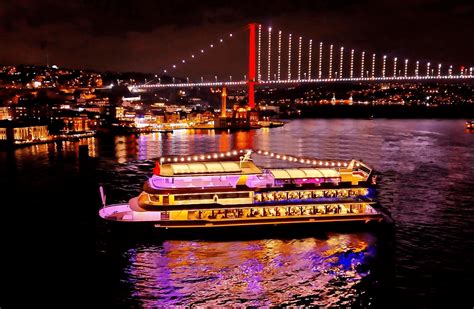
For those interested in cultural immersion, the proximity of 14 attractions within a six-mile radius presents unique options for excursions. Highlights include the historic Ali Kuşçu Camii mosque and the Istanbul Airport Museum, which showcase the rich heritage and architectural marvels of the region. Passengers with longer layovers might consider guided city tours, culinary walks, or even Bosphorus cruises, blending convenience with an enriching travel experience.
Moreover, luxurious services such as private Turkish baths and spa treatments are available nearby, offering relaxation and rejuvenation that complement the airline’s in-lounge amenities.
Aggregate Passenger Feedback and Themes
The lounge’s aggregate reviews reveal a consistent pattern of strengths and areas requiring attention. Food and service quality are lauded almost universally, with many guests appreciating the attentiveness of staff and the rich culinary variety. In contrast, seating comfort and ambient conditions rank as the most frequently cited weaknesses, with many noting the lounge’s bright lighting and terminal noise intrusions.
Charging infrastructure emerges as a critical pain point, with outlets scarce and poorly distributed, leading to frustration among travelers needing to power devices. The lack of dedicated rest areas similarly undermines the lounge’s appeal for passengers anticipating long waits, highlighting a disconnect between design and functional requirements.
Entertainment options like VR games and golf simulators receive positive mentions, reflecting a modern approach to passenger engagement and relaxation, though these features cannot fully compensate for the fundamental deficiencies in comfort and workspace.
Conclusion: A Lounge with Distinctive Appeal but Not Without Challenges
The Turkish Airlines Lounge Departures at Istanbul Airport offers an impressive array of culinary delights, cultural immersion, and entertainment that distinguish it from many airport lounges worldwide. Its dual domestic and international configurations, combined with unique boarding processes for business-class passengers, enhance convenience and operational efficiency.
However, to fully meet the expectations of discerning travelers in 2025 and beyond, the lounge must address critical concerns around seating comfort, charging access, and rest facilities. The absence of quiet suites for long layovers, coupled with aging furniture and limited power outlets, detracts from an otherwise sophisticated environment.
For short stays, the lounge provides a welcoming and engaging space where passengers can enjoy top-tier food, immersive cultural experiences, and innovative entertainment. Yet, for those with extended waiting periods, the current shortcomings may lead to dissatisfaction and a desire for alternative arrangements.
Continued investment in refurbishment, enhanced technological infrastructure, and dedicated quiet zones will be essential for Turkish Airlines to sustain its reputation and exceed the evolving demands of global travelers using Istanbul Airport as their transit hub.