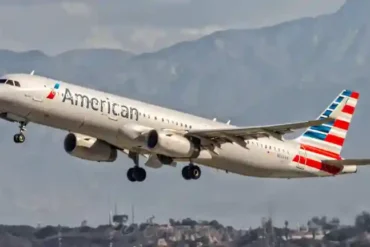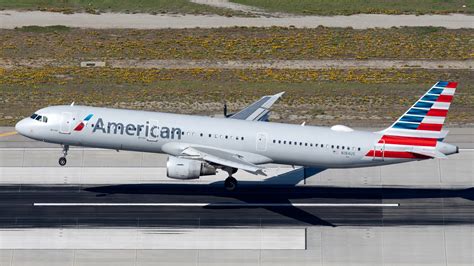
Passengers aboard American Airlines Flight 2254, en route from Chicago to Las Vegas, found their travel dreams shattered on July 1, 2025, when severe weather grounded operations across Nevada, forcing the jetliner to make an emergency landing in Bullhead City, Arizona. The unscheduled diversion left more than a hundred travelers stranded in a small desert airport unequipped for commercial flights, spotlighting the airline industry’s increasing vulnerability to extreme weather.
Skies Darken as Las Vegas Dreams Derail
What began as a routine journey from Chicago O’Hare International Airport turned chaotic as Flight 2254, operated by an Airbus A321, approached the western United States. The aircraft, loaded with passengers eager for Las Vegas’ neon-lit nights and holiday celebrations, encountered growing turbulence as powerful windstorms engulfed McCarran International Airport.
With runways closed and visibility reduced to dangerous levels, pilots faced a stark choice: risk a hazardous landing or divert to safety. Choosing the latter, the crew steered the jetliner to Laughlin/Bullhead International Airport (IFP), a modest airfield located approximately 100 miles south of Las Vegas, near the Arizona-Nevada border.
Bullhead City: A Quiet Airport Thrust into the Spotlight
Bullhead City’s airport, typically accustomed to private jets and occasional charter flights, was wholly unprepared for the arrival of a major commercial aircraft carrying over 180 passengers. Lacking proper infrastructure, the facility became the stage for logistical challenges and growing passenger frustration.
Airline personnel scrambled to adapt, with limited ground staff trying to coordinate disembarkation, luggage handling, and onward transportation—all within an airport that rarely sees commercial aviation on this scale.
Stranded in the Desert: Passenger Ordeal Unfolds
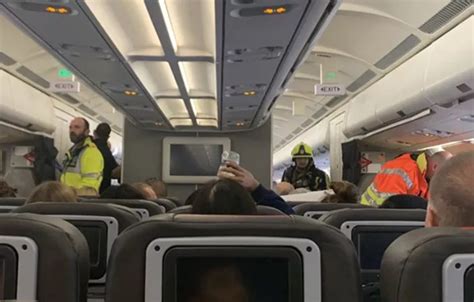
The landing, though safe, marked only the beginning of a frustrating and exhausting ordeal. As American Airlines Flight 2254 touched down, passengers were informed that the crew had “timed out,” exceeding the Federal Aviation Administration’s (FAA) regulated duty hours. With pilots and flight attendants legally unable to continue operations, the flight was officially terminated in Bullhead City.
Travelers faced few options. American Airlines organized a limited number of buses to transport passengers to Las Vegas, but logistical delays, overwhelmed resources, and desert isolation meant many were left waiting indefinitely. Rental car availability in the area quickly evaporated, forcing groups of stranded travelers to share rides or seek alternative means of reaching their intended destination.
Families with children, elderly passengers, and business travelers alike were caught in the turmoil, many expressing frustration over limited communication and scarce amenities at the makeshift terminal.
Severe Weather Escalates Industry-Wide Disruptions
The diversion of Flight 2254 is part of a broader pattern as climate-induced weather extremes increasingly disrupt air travel across North America. The July 2025 Independence Day holiday period was projected to be one of the busiest on record, with over 72.2 million travelers navigating airports nationwide. The sheer volume leaves minimal flexibility in airline operations, where even isolated storms can cascade into system-wide delays.
Meteorological experts reported that the Las Vegas region experienced wind gusts exceeding 50 mph, with dust storms and sudden visibility drops, prompting airport closures and grounding multiple flights. Airlines, already stretched thin with high passenger loads and congested airspace, faced mounting pressure to divert aircraft to alternative landing zones, many of which, like Bullhead City, lacked proper support infrastructure.
Crew Duty Time Regulations Add Complexity
A growing point of friction for airlines is the strict enforcement of FAA crew duty regulations, designed to prevent pilot fatigue and ensure safety. These rules, while vital, mean that delays or diversions often result in crews “timing out,” rendering them legally unable to continue flying until sufficient rest is taken.
For Flight 2254, the unforeseen diversion, coupled with regulatory limits, meant no immediate path to completing the journey to Las Vegas. Passengers were left at the mercy of ground transportation options, with many facing overnight stays or expensive detours.
Financial and Operational Fallout
Such diversions carry significant economic repercussions for both airlines and passengers. Industry analysts estimate that unplanned rerouting of aircraft can cost airlines tens of thousands of dollars per flight. Expenses include:
- Ground transportation for displaced passengers
- Meal vouchers and accommodation for overnight stays
- Compensation for flight cancellations or delays
Travelers, meanwhile, often incur personal costs for hotels, car rentals, and other necessities, turning what was meant to be an exciting trip into an expensive, stressful ordeal.
Human Impact: Frustration, Fatigue, and Uncertainty
Beyond logistical hurdles, the human cost of such disruptions cannot be overstated. Reports from Bullhead City describe exhausted families, elderly travelers struggling with mobility, and international tourists bewildered by the unexpected detour.
Many passengers criticized the lack of timely information, with only sporadic updates provided amid growing lines for transportation and restroom facilities ill-suited for hundreds of unexpected arrivals.
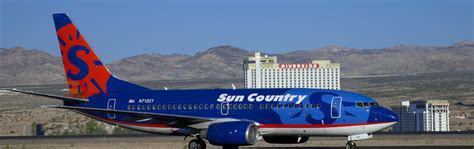
Despite the challenges, some passengers showcased remarkable resilience, sharing resources, coordinating ride-shares, and supporting vulnerable travelers during the long waits.
A Cautionary Tale for Future Travelers
The Flight 2254 incident serves as a stark reminder of the volatility inherent in modern air travel, especially amid intensifying weather patterns. Travel experts are urging passengers to adopt new strategies for minimizing disruption impacts, including:
- Purchasing comprehensive travel insurance
- Keeping essential medications and chargers in carry-ons
- Monitoring flight and weather updates via airline apps
- Allowing extra time for connections during peak travel periods
Moreover, as incidents like this become more frequent, airlines face growing scrutiny over their contingency plans and communication protocols.
Industry Calls for Stronger Contingency Measures
The American Airlines diversion has reignited debates within the aviation sector regarding preparedness for weather-related disruptions. Experts advocate for:
- Enhanced agreements with regional airports to accommodate emergency landings
- Rapid deployment of ground transport solutions
- Improved passenger communication channels during crises
Given the rising frequency of severe weather events, bolstering these measures is no longer optional but essential for safeguarding both operational continuity and passenger welfare.
Aftermath: Las Vegas Bound, But With Hard Lessons Learned
Eventually, all stranded passengers from Flight 2254 managed to reach Las Vegas, though many arrived hours—or even days—behind schedule. Yet, their experience stands as a potent symbol of the unpredictability facing modern air travelers.
As the U.S. aviation industry grapples with record-breaking traveler numbers and escalating weather volatility, incidents like the Bullhead City diversion underscore a pressing need for more robust crisis response frameworks.
Travelers, too, must recalibrate expectations, embracing flexibility, preparedness, and patience as essential components of their journey.
For those aboard Flight 2254, the detour through Arizona’s desert is now etched into memory—a testament to both the fragility and resilience of air travel in a rapidly changing world.