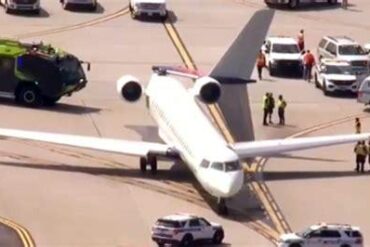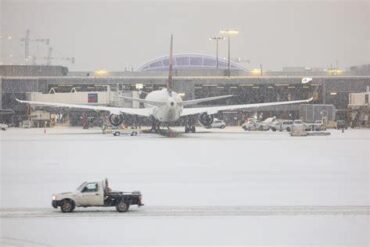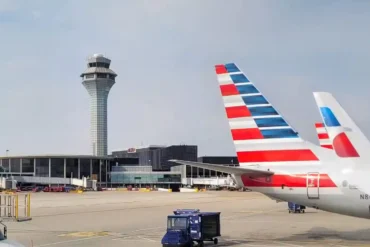
On July 1, 2025, hundreds of travelers aboard American Airlines Flight 2254 faced an unexpected ordeal after their routine journey from Chicago O’Hare International Airport (ORD) to Las Vegas McCarran Airport (LAS) was dramatically altered by extreme weather conditions. The Airbus A321, nearing its final approach to Las Vegas, encountered dangerously high winds, forcing an emergency diversion to Bullhead City Airport (IFP) in Arizona—approximately 100 miles south of Las Vegas.
The flight’s unscheduled landing not only underscored the unpredictability of aviation under volatile weather patterns but also exposed critical gaps in infrastructure readiness at smaller regional airports ill-equipped to handle large commercial aircraft and their passengers.
Severe Weather Forces Emergency Diversion
As Flight 2254 approached Las Vegas, the region was besieged by powerful wind gusts exceeding safe operational limits for landing. Multiple aircraft attempting to arrive at Las Vegas McCarran were forced into aborted landing sequences, contributing to widespread disruption across the airspace. Recognizing the severe risk, the flight crew, adhering to strict FAA safety protocols, initiated a diversion procedure.
Despite reviewing various alternative airports, including Prescott Regional (PRC) and St. George Municipal Airport (SGU), the crew concluded that Bullhead City Airport (IFP) presented the safest option within reachable distance given the aircraft’s fuel reserves and ongoing storm conditions. While Bullhead City lacked the infrastructure typical of larger commercial hubs, its operational runway provided a critical lifeline under deteriorating atmospheric conditions.
Bullhead City Airport: Safe Landing, Limited Capacity
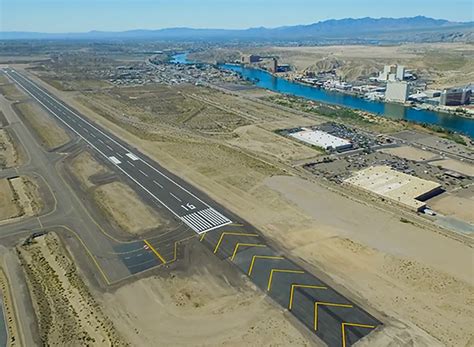
While the successful diversion ensured the immediate safety of passengers and crew, Bullhead City’s regional airport was quickly overwhelmed. Designed primarily for general aviation and small-scale commercial traffic, IFP lacked the facilities, ground services, and passenger support infrastructure necessary to efficiently manage an unexpected influx of over 190 travelers.
Passengers disembarked into a terminal with minimal amenities. Food, water, and restroom availability were severely limited, exacerbating an already stressful situation. Compounding matters, American Airlines Flight 2254 could not resume its journey due to regulatory restrictions on crew work hours. FAA-mandated rest periods grounded the aircraft indefinitely, leaving travelers stranded far from their intended destination.
Passengers Confront Delays, Scarce Transport Options
With Las Vegas still affected by high winds and Bullhead City unable to process connecting flights, stranded passengers were left scrambling for ground transportation. American Airlines, in an attempt to mitigate the disruption, coordinated bus services to ferry travelers to Las Vegas. However, the logistical complexity, compounded by limited local resources and unclear communication from airline representatives, led to significant delays.
Many passengers, unwilling to wait for bus transfers amid the uncertainty, resorted to booking private transport options. Uber and other rideshare services charged between $100 and $180 per person for the roughly two-hour drive to Las Vegas, sparking frustration among those impacted by high costs and lack of alternatives.

As hours passed, the absence of regular updates from airline personnel heightened tensions inside the terminal. Travelers reported feeling abandoned, citing insufficient guidance on luggage retrieval, rebooking procedures, and compensation policies.
Airline Response Highlights Infrastructure Challenges
Despite the airline’s efforts to secure buses and manage luggage transfers, the diversion exposed the inherent limitations of smaller regional airports like Bullhead City when absorbing large-scale commercial flight disruptions. The airport’s insufficient staffing, lack of commercial transport partnerships, and absence of contingency plans underscored broader vulnerabilities within the aviation system.
While Flight 2254’s diversion was a necessary safety measure, the operational aftermath highlighted how smaller airports can become overwhelmed during emergency situations. In this case, the lack of scalable infrastructure at IFP meant that even basic services like baggage handling, food provision, and passenger communication faltered.
Weather-Driven Flight Disruptions: A Growing Industry Concern
This incident adds to the growing list of aviation disruptions caused by severe and unpredictable weather phenomena. As global weather patterns grow more erratic, airlines face mounting challenges in maintaining schedules, ensuring passenger safety, and minimizing service interruptions.
Las Vegas, positioned within an arid desert climate, frequently experiences sudden wind storms and extreme temperature fluctuations that impact airport operations. The July 1 event, characterized by high winds and aborted landings, is emblematic of the broader meteorological volatility increasingly affecting flight reliability across the United States.
Industry experts stress the importance of robust contingency planning, including:
- Enhanced communication protocols between airlines, airports, and passengers
- Investment in regional airport infrastructure to accommodate emergency diversions
- Revisiting crew scheduling flexibility to manage unforeseen delays
- Expanding ground transportation partnerships to provide alternative travel options promptly
Smaller Airports: Critical But Underequipped
While major airports like Las Vegas McCarran are designed to manage high traffic volumes and complex weather scenarios, regional airports like Bullhead City often serve as the last-resort safety net during diversions. However, the disparity in infrastructure, resources, and logistical readiness between large and small airports remains stark.
Bullhead City’s role in the safe landing of Flight 2254 should not overshadow its limitations. The airport, primarily supporting private aviation and limited commercial activity, lacks the capacity to efficiently process hundreds of unexpected passengers. This raises critical questions for policymakers and the aviation industry:
- Should smaller airports receive targeted investments to boost emergency response capabilities?
- Can airlines establish pre-arranged contingency plans with regional airports for diversions?
- How can passenger welfare be better safeguarded during such incidents?
These considerations grow increasingly urgent as climate change amplifies the frequency and severity of disruptive weather events impacting air travel.
Passenger Experience and Future Preparedness
The ordeal faced by Flight 2254 passengers reflects the unpredictable intersection of natural forces and modern air travel. While safety remains the foremost priority, the secondary challenges—logistical bottlenecks, limited communication, and passenger dissatisfaction—highlight areas demanding immediate industry attention.
Passengers stranded in Bullhead City described feelings of confusion, frustration, and financial strain. The high costs of private transport, compounded by delayed updates from airline staff, left many questioning the readiness of both airlines and airports to handle such contingencies.
In response, aviation authorities and carriers alike must reassess their approach to emergency preparedness. Expanding the operational readiness of smaller airports, refining passenger support protocols, and fostering collaboration between public and private transport services are critical steps toward minimizing the ripple effects of weather-driven diversions.
Conclusion: Balancing Safety and Passenger Welfare
The safe landing of American Airlines Flight 2254 at Bullhead City ultimately exemplified responsible, safety-first decision-making under extreme conditions. However, the ensuing passenger experience revealed systemic gaps that airlines, airports, and regulatory bodies must urgently address.
As severe weather becomes an increasingly prevalent disruptor in aviation, reliance on smaller airports as diversion sites will grow. This incident underscores the pressing need to bridge the infrastructure and resource divide, ensuring that when safety dictates unscheduled landings, passengers are not left vulnerable to logistical chaos and prolonged delays.
The events of July 1 serve as both a cautionary tale and a call to action for the aviation sector to evolve alongside the challenges posed by an increasingly volatile climate.