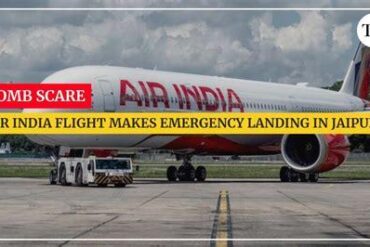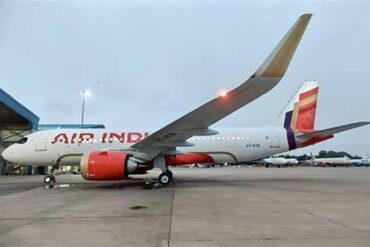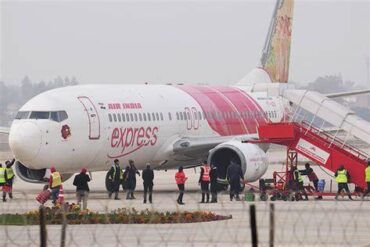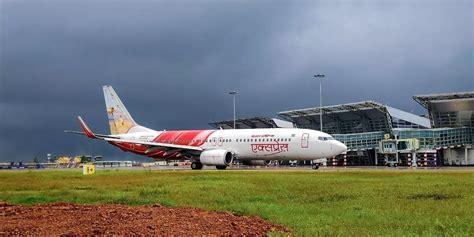
Air India flight AI 926, originally scheduled to land at Indira Gandhi International Airport (IGIA) in New Delhi, was diverted to Jaipur in the early hours of July 7, 2025, due to severe weather conditions over the capital. The unplanned detour, while technically routine, unfolded into an extraordinary travel story when a significant number of passengers made the spontaneous decision to complete their journey to Delhi by road, bypassing Air India’s offer of alternate flights.
Severe Weather Forces Midnight Diversion
Flight AI 926 had departed from Riyadh, Saudi Arabia, and was on its final descent toward Delhi when the crew received notification of worsening conditions—thick cloud cover, heavy rain, and low visibility had rendered a safe landing impossible. Around 1:00 AM, the aircraft rerouted to Jaipur International Airport, roughly 280 kilometers southwest of Delhi. Weather-related diversions are standard operating procedures in aviation, but what happened next set this case apart from the norm.
As passengers disembarked in Jaipur, they were met with the standard crisis response: airline officials worked quickly to arrange accommodations and rebooking options. However, many passengers were unwilling to wait for weather-clearance or flight reshuffles. Facing uncertainty and fatigue, they collectively opted for an overland route to the national capital, hiring cabs, booking buses, and even coordinating group ridesharing.
Why Road Over Air? Dissecting the Passenger Mindset
The decision to bypass a new flight in favor of a 6- to 7-hour road journey may seem unusual, but it reflects a practical calculation rooted in frustration, risk mitigation, and logistical preference. Several compelling factors influenced this unexpected trend:
First, weather forecasts remained bleak. The India Meteorological Department (IMD) had already issued a Yellow Alert for Delhi, warning of continuing thunderstorms, rain, and lightning. With such uncertain forecasts, passengers had little reason to trust that another flight would depart—or land—on time.
Secondly, the psychological fatigue of travel delays cannot be underestimated. For passengers who had already endured a late-night international flight and an unplanned landing, the idea of sitting through more hours of terminal waiting, rebooking chaos, and the potential for additional diversions, made road travel feel like a more empowering and controlled alternative.
Moreover, Jaipur’s proximity and connectivity played a pivotal role. The Pink City boasts a well-established transport network linking it directly to Delhi via National Highway 48. Availability of private cabs, intercity buses, and shared rides provided a range of options, ensuring a direct and uninterrupted journey without the stress of navigating further airspace uncertainties.
Finally, there’s the matter of urgency. Some passengers had early morning commitments in Delhi—work obligations, connecting domestic flights, or family functions. Waiting on Air India’s contingency measures simply wasn’t viable.
Inside the Airport: An Unusual Exodus Begins
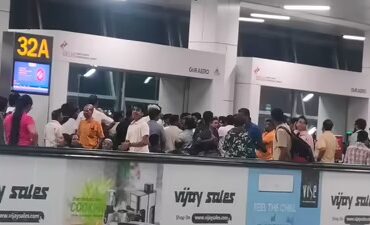
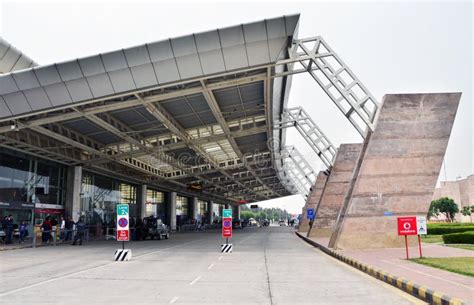
Eyewitness accounts from Jaipur International Airport describe a surreal post-midnight scene: instead of crowding the customer service desk or queuing for rebookings, dozens of passengers—many with luggage carts in tow—stepped outside the terminal in search of ground transportation.
One passenger, a Delhi-based IT executive returning from a conference in Riyadh, summed it up: “We were already exhausted and had no guarantee we’d reach Delhi by morning if we waited. It made more sense to just go by road—even if it was a long night.”
Air India staff, while surprised, remained supportive. Those who opted for ground transport were informed they could claim refunds or vouchers for the unused segment, though such policies were handled on a case-by-case basis.
Operational Stress Amid Broader Turbulence for Air India
The diversion of AI 926 adds another layer to what has already been a highly scrutinized period for Air India. Just days earlier, on July 4, a pilot scheduled to operate flight AI 2414 from Bengaluru to Delhi collapsed prior to takeoff due to a sudden medical emergency. The incident caused a brief delay but was resolved promptly with a replacement pilot.
Although the two events are unrelated in cause, their proximity in time underscores the pressures within Air India’s operational framework. Still reeling from the AI 171 crash in Ahmedabad—a devastating tragedy that claimed 270 lives—the airline is navigating a period of high alert and public concern.
Passenger confidence, already fragile, is being further tested by these back-to-back incidents, especially given that weather-induced diversions often trigger memories of larger systemic issues—whether safety protocols, emergency preparedness, or passenger service standards.
Weather Woes in Delhi Continue to Disrupt Air Travel
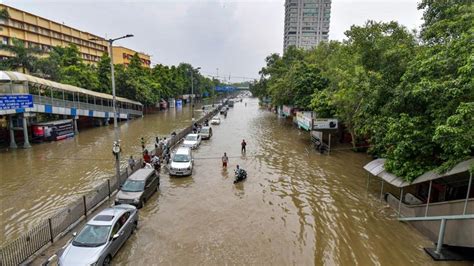
The root cause of AI 926’s diversion—Delhi’s worsening monsoon conditions—continues to plague not just aviation but daily life across the National Capital Region (NCR). On July 7, the city received torrential rainfall, leading to waterlogging in multiple areas, including Mehrauli-Badarpur Road, Outer Ring Road, and Lajpat Nagar.
The IMD forecasted more downpours through the week, prompting concerns over airport congestion, flight delays, and even runway closures. Such weather volatility makes air traffic management a logistical nightmare and places enormous strain on Delhi Airport’s capacity, which already operates at near-maximum throughput during peak hours.
Lessons for the Aviation Sector and Travelers
This incident with AI 926 isn’t just about a diverted flight; it offers a valuable case study in how modern air travelers respond to unexpected disruptions. The fact that many passengers saw an overnight road journey as more reliable than waiting for an airline’s contingency plan indicates a trust deficit in post-disruption passenger handling.
It also raises questions about the preparedness of airlines in crisis management. While weather can never be controlled, ensuring transparent communication, rapid rebooking, and flexible alternatives can go a long way in maintaining passenger satisfaction and confidence.
For travelers, this episode highlights the importance of adaptive planning. In an era of climate unpredictability, having contingency strategies—like scouting nearby hotels, arranging road transfers, or purchasing flexible fares—may prove invaluable. Being proactive rather than reactive can often be the difference between a manageable delay and a full-blown travel nightmare.
The Road Ahead: Adapting to a New Travel Reality
With monsoon season in full swing and aviation infrastructures across India under pressure, the story of flight AI 926 is unlikely to be a one-off. As climate patterns grow more erratic and extreme weather events become frequent, the aviation sector must evolve, with stronger contingency plans, more nimble passenger services, and better communication protocols.
Passengers, meanwhile, will continue to seek control and clarity—opting for overland journeys, multi-modal travel combinations, and real-time decision-making as a buffer against mounting delays. Jaipur’s unexpected role as an overnight transit hub for Riyadh-Delhi passengers is proof of this shift.
In the final analysis, Air India’s diverted flight was merely the trigger for a much larger narrative: one where adaptability, resilience, and passenger empowerment take center stage in the ever-unpredictable world of air travel. The incident serves as a vivid reminder that every journey is vulnerable to change, and sometimes, the best way to reach your destination is to choose the road less flown.