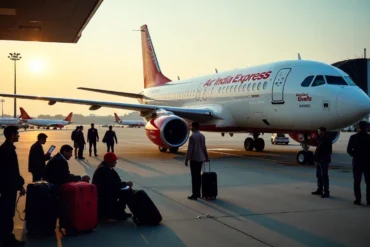
Air India, one of India’s premier airlines, is increasingly making headlines for troubling reasons. Recently, a series of alarming incidents involving technical glitches, bomb threats, and abrupt cancellations have significantly disrupted passengers’ plans, raising serious questions about the safety and reliability of air travel with the carrier. The latest events have not only caused distress among passengers but also cast a shadow over the operational integrity of the airline, prompting a thorough examination of the underlying issues contributing to this escalating crisis.
On June 13, a flight bound for Delhi from Phuket experienced a severe scare after receiving a bomb threat mid-flight. The aircraft immediately diverted and executed an emergency landing in Thailand, setting off widespread panic and confusion among passengers. Authorities swiftly evacuated everyone onboard, proceeding with an exhaustive security sweep. Although all passengers safely disembarked, the incident left them shaken and apprehensive about the airline’s security protocols. Such alarming occurrences raise questions about the measures in place to ensure passenger safety and the effectiveness of Air India’s emergency response protocols.
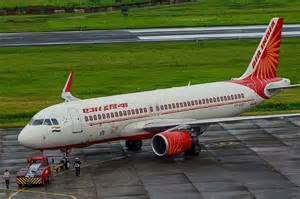
In another alarming occurrence, Air India’s Jaipur to Dubai flight turned into a distressing experience for passengers when the air conditioning system failed entirely. A viral video circulating widely on social media vividly captures passengers’ extreme discomfort, visibly sweating and fanning themselves desperately. This incident not only spotlighted Air India’s faltering service quality but also significantly impacted its brand reputation among international travelers. The discomfort experienced by passengers reflects poorly on the airline’s operational standards, leading to questions about its commitment to providing a comfortable flying experience.
Adding to the growing list of woes, an Air India Boeing 787 Dreamliner traveling from Hong Kong to Delhi on June 16 had to abruptly return to Hong Kong airport after encountering technical issues mid-flight. Passengers faced substantial delays and uncertainty, contributing further to anxiety around flying with Air India. This technical malfunction highlights concerning issues regarding aircraft maintenance and pre-flight inspections, raising alarms about whether proper protocols are being followed to ensure the safety and reliability of the fleet.
Further complicating passenger experiences, the Air India flight from San Francisco to Mumbai faced unexpected disruption due to technical snags on June 17. Passengers found themselves unexpectedly deplaning in Kolkata, a scheduled stopover that stretched into an uncertain wait. This situation added logistical headaches for travelers and amplified growing concerns about the airline’s operational efficiency. Such disruptions can lead to significant inconvenience for passengers, especially those with tight schedules or onward connections.
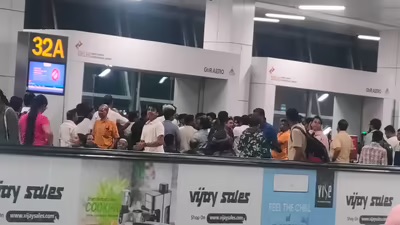
Perhaps the most chaotic incident involved Air India’s flight A1308 from Delhi to Melbourne, cancelled mere moments before its 1:15 AM departure. Hundreds of stranded passengers were left in limbo, grappling with confusion, frustration, and a distinct lack of communication or viable alternatives. This abrupt cancellation underscored severe lapses in customer service and crisis management, highlighting the airline’s growing communication deficiencies. The absence of clear information during such critical moments can exacerbate the stress experienced by passengers, further damaging the airline’s reputation.
Investigating the Root Causes: Increased Vigilance or Operational Flaws?
In the aftermath of a tragic crash attributed to technical malfunction, Air India reportedly heightened its vigilance regarding flight safety. Aircraft now undergo stringent inspections and extensive checks prior to departure, resulting in delays and cancellations whenever issues are detected. Although this proactive stance aims to enhance passenger safety, it has inadvertently escalated flight disruptions, leaving passengers increasingly uncertain and anxious. Industry analysts suggest that while rigorous safety measures are commendable, the airline must significantly improve its communication strategy to prevent undue distress. Clear, timely information can alleviate passenger anxiety, even amidst unavoidable delays and cancellations. However, Air India’s current approach has shown critical communication gaps, significantly undermining passenger confidence.
The repercussions of these recurring disruptions and technical failures extend beyond individual flights, carrying broader implications for the travel and tourism industry as a whole. Such incidents could potentially deter international tourists from choosing Air India, impacting tourism-dependent businesses and overall economic inflows. Moreover, rival airlines stand to benefit significantly from Air India’s turmoil, attracting disgruntled passengers seeking more reliable and transparent services. The reputational damage incurred may persist unless Air India swiftly addresses underlying issues related to maintenance, safety protocols, and customer communication.
Recommendations for Passengers: Staying Prepared Amid Uncertainty
Travelers planning flights with Air India are strongly advised to closely monitor flight statuses, prepare for possible delays, and maintain alternative travel arrangements. Engaging proactively with airline communication channels and demanding timely updates can reduce personal inconvenience and anxiety. Additionally, travel insurance policies with comprehensive coverage for flight delays and cancellations may offer some reassurance, protecting passengers financially and practically during such disruptions.
Future Outlook: Need for Strategic Overhaul
Air India’s long-standing issues indicate a serious need for broad strategic reform. An investment in refreshing its fleet, enhancing technical procedures for maintenance, and significantly improving customer service procedures will be required to win back passenger confidence. Open and efficient communication, along with improved procedures for crisis management, will be key in revamping the airline’s reputation. Carriers in highly competitive global markets cannot endure repeated service mishaps. The recent travails of Air India highlight a simple but crucial reality for airlines: passenger confidence and safety should always be top priorities, fortified by service expertise and open communication. As the airline navigates through this tumultuous period, it is imperative that it reassesses its operational protocols, prioritizes passenger well-being, and strives for excellence in service delivery.