This analysis explores every major contender for the title, reveals the indisputable record-holder, and clarifies which Boeing aircraft is the fastest operational jet in 2025.
Hypersonic Supremacy: The X-43A Hyper-X
The fastest jet-powered aircraft ever flown under Boeing’s umbrella is the X-43A Hyper-X, developed with NASA as an unmanned hypersonic research vehicle. This astonishing platform reached a world-record speed of Mach 9.6, establishing itself as the fastest air-breathing aircraft in history.
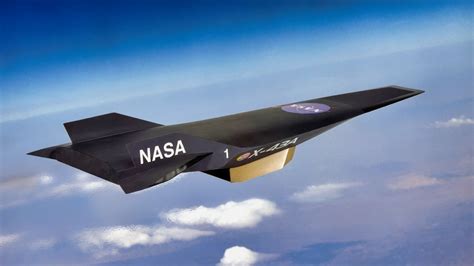
The X-43A achieved this by relying on a scramjet, a supersonic combustion ramjet designed to operate only at extremely high speeds. It could not take off independently; instead, a B-52 launched the vehicle, which then accelerated via a modified Pegasus rocket booster before the scramjet took over. Three X-43As were built, with two successful flights in 2004 that shattered previous speed records. As a pure expression of Boeing-associated aerodynamic capability, nothing else comes close.
The X-51A Waverider: Another Leap Into Hypersonic Flight
Following the X-43A, Boeing produced another scramjet-powered demonstrator: the X-51A Waverider, which achieved Mach 5.1. Four were built, and the platform successfully demonstrated sustained hypersonic propulsion between 2010 and 2013.

While slower than the X-43A, the Waverider remains one of the fastest air-breathing jets ever flown and stands as a critical stepping stone toward future hypersonic strike and reconnaissance programs.
Tailless Agility: The McDonnell Douglas X-36
The X-36, inherited through the Boeing–McDonnell Douglas merger, was a tailless agility research aircraft built at 28% scale. Designed to reduce drag and radar signature while improving maneuverability, it flew successfully in 1997 and met every program objective.
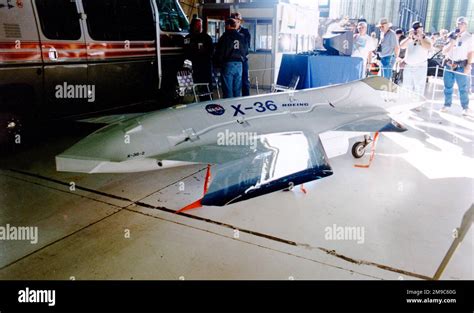
Although not exceptionally fast, its relevance lies in design lessons influencing next-generation stealth fighters, including Boeing’s 6th-generation F-47.
Boeing’s First True Fighter: The F-47 NGAD Jet
In 2025, Boeing was awarded the manned fighter contract for the Next Generation Air Dominance (NGAD) program, with the aircraft internally labeled F-47. Very little is publicly known, with only two partially obscured renders released.
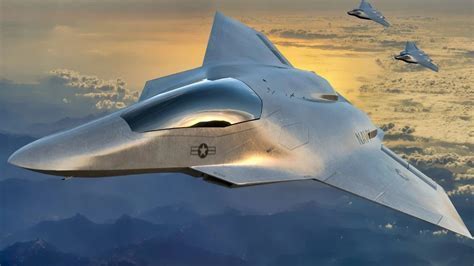
Official statements indicate a top speed exceeding Mach 2, placing it among the fastest manned fighters planned for future U.S. service. When it enters service near 2028, it will become the first Boeing-designed fighter jet to reach production—an important milestone in Boeing’s military aviation lineage.
The Fastest Operational Boeing Fighter Jet Today: F-15EX Eagle II
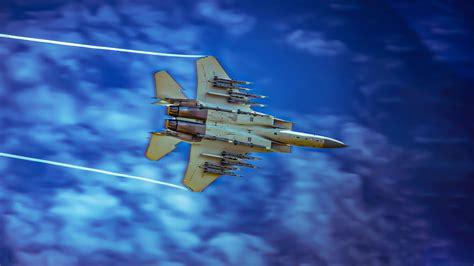
Among in-service aircraft, the F-15EX Eagle II—a modern Boeing evolution of the original McDonnell Douglas F-15—holds the title of fastest Boeing fighter jet currently in production. With a top speed above Mach 2.5, it also stands as the fastest U.S. fighter still being manufactured in 2025.
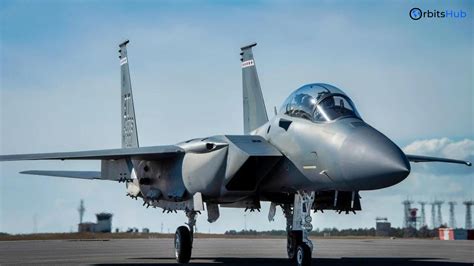
The F-15EX remains unmatched in raw speed compared to the newer F-35 Lightning II, which peaks at Mach 1.6 due to stealth-related thermal limitations. Despite its 1970s origins, the Eagle’s powerful twin-engine architecture ensures its position as the reigning speed champion among operational Boeing fighters.
High-Speed Bombers Under Boeing: The Rockwell B-1 Lancer
Although not originally a Boeing project, the B-1 Lancer became a Boeing-supported platform after the company acquired Rockwell’s defense division. Early development prototypes reached Mach 2.2, making the B-1 one of the fastest bombers ever built.
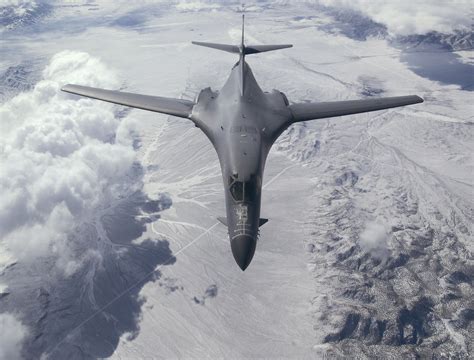
Today, production models are limited to Mach 1.25, but their high-altitude and low-altitude versatility remain unmatched among modern combat aircraft.
Inherited Speed Legends: X-15, XB-70, and F-4 Phantom II
Through mergers, Boeing also absorbed the legacies of several groundbreaking high-speed platforms:
- North American X-15 — Mach 6.7 (fastest manned aircraft ever, but rocket-powered, not jet-powered)
- North American XB-70 Valkyrie — Mach 3.1 (fastest manned bomber ever built)
- McDonnell Douglas F-4 Phantom II — Mach 2.2 (one of the most iconic Cold War fighters)
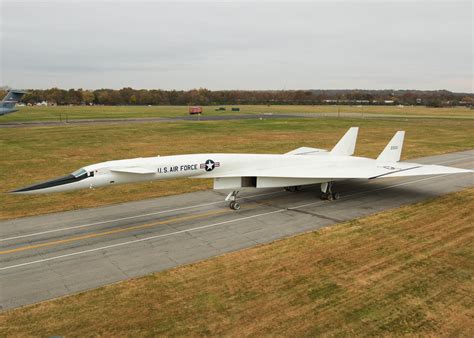
These historic platforms reinforce Boeing’s inherited portfolio of extreme-speed aviation research, even if they weren’t originally Boeing designs.
The Definitive Verdict: What Is the Fastest Boeing Military Jet in 2025?
The answer depends on category:
- Fastest Boeing-associated aircraft ever flown: X-43A Hyper-X, Mach 9.6
- Fastest Boeing-produced hypersonic demonstrator after X-43: X-51A Waverider, Mach 5.1
- Fastest operational Boeing fighter in 2025: F-15EX Eagle II, Mach 2.5+
- Fastest future Boeing fighter: F-47 NGAD, Mach 2+ (projected)
- Fastest bomber maintained by Boeing: B-1 Lancer, Mach 1.25 (Mach 2.2 in prototype form)
Conclusion: Boeing’s High-Speed Portfolio Reflects a Century of Innovation
No other American aerospace company holds such a layered, merger-driven portfolio of high-speed achievements. From hypersonic experimental platforms to enduring air-superiority fighters, Boeing continues to push boundaries in speed, propulsion, and aerodynamic research. The X-43A Hyper-X remains the indisputable speed champion of 2025, a symbol of what is possible when atmospheric science and aerospace engineering converge at their highest levels.
As Boeing moves deeper into the sixth-generation era with the F-47, the next decade will determine whether these new aircraft will challenge any of the extraordinary speed records set by their predecessors.