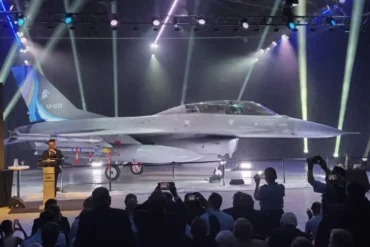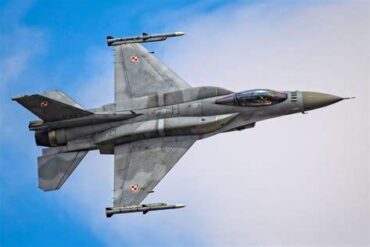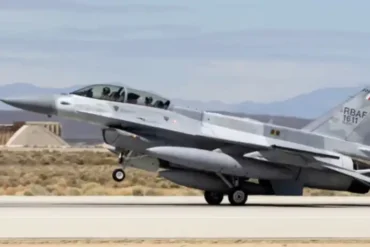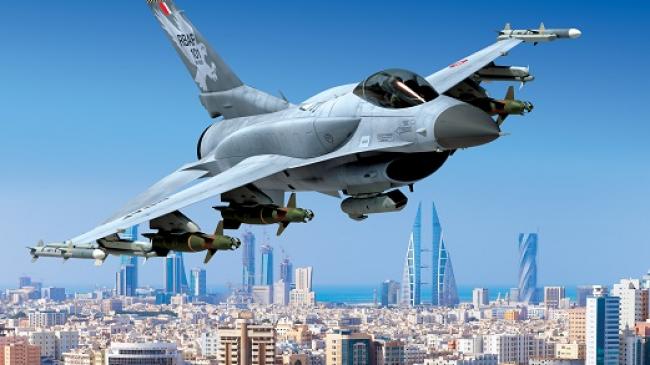
Bahrain’s acquisition of F-16V (Block 70/72) fighter jets marks a significant advancement in its air force capabilities. This purchase not only modernizes Bahrain’s existing fleet but also reinforces its strategic military partnership with the United States. The deal, approved in 2017, includes 22 newly manufactured F-16V aircraft and an upgrade of 20 older F-16C/D Block 40 jets to the Viper standard, reflecting the nation’s commitment to cutting-edge aerial combat technology.
Contract Details and Procurement Background
The total contract is valued at $3.86 billion, with $2.78 billion allocated for the new aircraft and $1.08 billion for modernizing the existing fleet. Bahrain’s decision to invest in the F-16V reflects a calculated move to enhance its aerial combat capabilities amid rising regional security concerns.
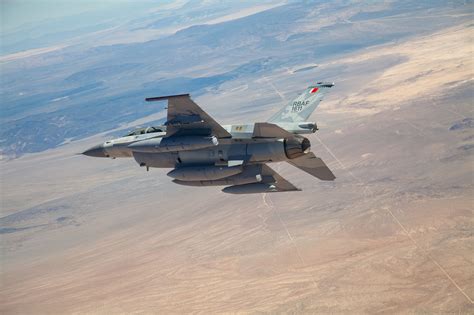
Key elements of the procurement include:
- AN/APG-83 AESA Radar: A state-of-the-art radar system derived from the F-35’s APG-81, significantly improving target detection and multi-target tracking.
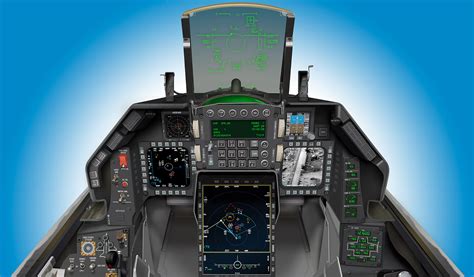
- Upgraded Cockpit Display: Modernized avionics and an advanced glass cockpit interface.
- Enhanced Electronic Warfare Suite: Providing superior survivability against electronic threats.
- Improved Ground Collision Avoidance System (GCAS): Enhancing pilot safety and reducing accident risks.
- Integration of Advanced Weapons Systems: Compatibility with modern air-to-air and air-to-ground munitions, including AIM-120 AMRAAM and JDAM precision bombs.
Technical Enhancements and Market Positioning
The F-16V Viper is the most advanced version of the F-16 series, integrating fifth-generation fighter technology into a proven fourth-generation platform. Bahrain’s choice reflects its commitment to strengthening air superiority while remaining cost-effective compared to fifth-generation aircraft such as the F-35.
The AN/APG-83 AESA radar enhances the jet’s ability to operate in multi-domain environments, significantly improving tracking, targeting, and situational awareness. These enhancements provide Bahrain with capabilities close to those of 4.5-generation fighters while maintaining operational cost efficiency.
Comparison with Other International F-16V Acquisitions
Bahrain was among the first customers to secure F-16V aircraft, highlighting its strategic importance to U.S. foreign military sales (FMS). A comparison with other buyers, such as Taiwan and Slovakia, reveals significant differences in delivery timelines, pricing, and geopolitical implications:
- Bahrain: First prototype F-16V flew on January 24, 2023, receiving priority delivery over other nations.
- Slovakia: First F-16V prototype flew on September 30, 2023, positioning it behind Bahrain in the delivery queue.
- Taiwan: Despite ordering 66 F-16V Block 70 jets, deliveries have been delayed until 2026 due to supply chain issues and political considerations.
Interestingly, Taiwan paid a significantly higher price per unit. While Bahrain secured its F-16V for approximately $70 million per unit, Taiwan’s 2019 contract saw a per-unit cost of $148 million, leading to criticism over pricing disparities.
Geopolitical and Strategic Considerations
The sale of F-16V aircraft to Bahrain aligns with the broader U.S. strategy of reinforcing alliances in the Middle East. As home to the U.S. Navy’s Fifth Fleet, Bahrain plays a crucial role in maintaining regional stability. By equipping its air force with modernized F-16Vs, the U.S. enhances Bahrain’s defense capabilities while securing its strategic foothold in the Persian Gulf.
However, the stark contrast between the swift delivery to Bahrain and the delayed shipments to Taiwan underscores the political complexities in U.S. arms sales. While Bahrain received expedited delivery, Taiwan’s delayed timeline is attributed to U.S.-China tensions, raising questions about Washington’s approach to military support.
Performance Limitations and Controversies
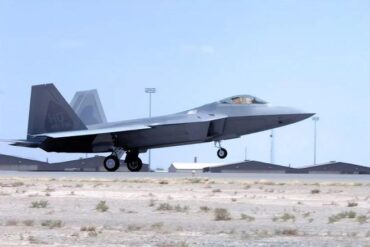
Despite significant upgrades, the F-16V Viper remains a fourth-generation fighter and faces limitations against modern fifth-generation aircraft like China’s J-20. Some analysts have questioned its viability in high-end conflicts, especially in air superiority engagements against more advanced adversaries.
Additionally, Taiwan’s contract requires separate payments for weapon systems, targeting pods, and logistics support, whereas Bahrain’s package includes comprehensive training, weaponry, and maintenance support, further fueling concerns over pricing fairness in U.S. military exports.
Conclusion
Bahrain’s acquisition of F-16V fighters represents a strategic upgrade for its air force, bolstering its regional military influence while solidifying U.S.-Bahrain defense relations. The AN/APG-83 radar, advanced avionics, and electronic warfare enhancements elevate the F-16V to near-4.5-generation performance, offering Bahrain an edge in regional aerial defense.
However, the contrasting treatment of buyers, particularly Taiwan’s delays and cost differences, highlights geopolitical disparities in U.S. arms sales policies. While Bahrain benefits from early deliveries and competitive pricing, other U.S. allies face prolonged wait times and inflated costs, raising questions about the fairness and strategic considerations behind such deals.
FAQ
1. What makes the F-16V different from older F-16 models?
The F-16V features the AN/APG-83 AESA radar, modern cockpit displays, enhanced electronic warfare systems, and compatibility with advanced weapons. These upgrades significantly improve targeting capabilities, situational awareness, and survivability.
2. Why did Bahrain receive its F-16V jets before Taiwan?
Bahrain’s deliveries were prioritized due to geopolitical considerations, while Taiwan’s deliveries were delayed due to supply chain constraints and U.S.-China relations. The disparity highlights differing U.S. foreign policy approaches toward its allies.
3. Is the F-16V considered a fifth-generation fighter?
No, the F-16V is an upgraded fourth-generation fighter with 4.5-generation capabilities. While it incorporates fifth-generation radar and avionics, it lacks the stealth and advanced maneuverability of aircraft like the F-35 or J-20.