Fractional jet ownership has emerged as a powerful bridge between full jet ownership and ad-hoc chartering—offering high-net-worth individuals, corporate travelers, and entertainers a cost-effective entry point into the world of private aviation. In this 2025 analysis, we break down every major cost component, entity involvement, and operational nuance involved in fractional jet ownership, delivering the clarity necessary to make informed aviation investments.
What Is Fractional Jet Ownership?
Fractional jet ownership refers to a shared ownership model where multiple stakeholders own a percentage—or fraction—of a private aircraft. This model allows each owner access to a predetermined number of flying hours annually, proportional to their ownership share. Operators such as NetJets, Flexjet, and Jetfly dominate this space, offering access to fleets that span light jets to ultra-long-range aircraft.
A typical ownership structure includes shares like 1/16, 1/8, 1/4, or 1/2, which equate to 50, 100, 200, and 400 flying hours per year. Contracts are usually five years long, with an option to sell back the share at the aircraft’s market value.
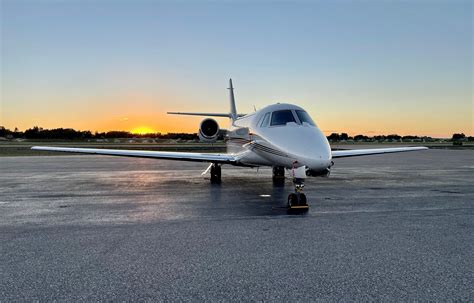
This setup mimics many of the perks of outright ownership—such as aircraft availability, luxury cabin customization, and business-class service—without the burden of full capital expenditure or logistics management. It also integrates the flexible appeal of chartering by allowing aircraft substitutions and jet class upgrades when necessary.
How Much Does Fractional Jet Ownership Cost in 2025?
Upfront Acquisition Cost
The most significant initial expenditure in fractional ownership is the buy-in cost—the capital required to purchase a portion of the aircraft. This figure typically starts at $350,000 for a 1/16th share in a light or midsize jet, such as the Cessna Citation XLS+ or Embraer Phenom 300. Costs scale upward depending on the aircraft’s size, age, and manufacturer.
For example:
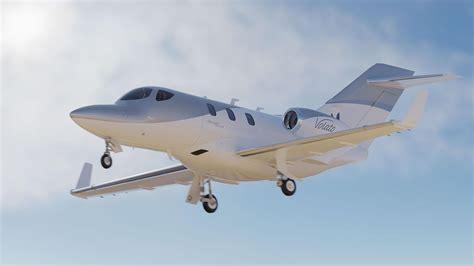
- Light jets (e.g., HondaJet): $300,000–$500,000 for 1/16 share
- Midsize jets (e.g., Challenger 350): $500,000–$850,000 for 1/16 share
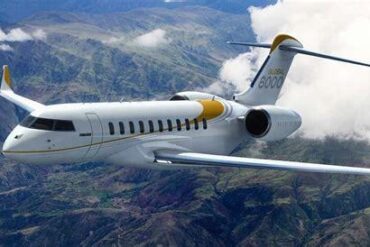
- Large jets (e.g., Bombardier Global 7500): $1.2M–$2.5M for 1/16 share
These amounts vary based on fleet age, resale value, and negotiated operator terms.
Operational Costs Per Hour
In addition to the acquisition fee, owners pay hourly operational fees, which typically average $2,000 per flight hour for midsize aircraft. This includes fuel, maintenance, and crew salaries. Here’s a breakdown by aircraft class:
- Very Light Jets (e.g., Eclipse 500): ~$2,000/hour
- Light Jets (e.g., Phenom 100, Citation CJ3+): ~$3,000/hour
- Midsize Jets (e.g., Challenger 350): ~$4,500/hour
- Large Jets (e.g., Gulfstream G650ER, Global 7500): ~$8,500–$10,000/hour
Thus, a 1/16 owner flying 50 hours per year in a midsize jet can expect $100,000–$120,000 in annual usage costs.
Monthly Management Fees
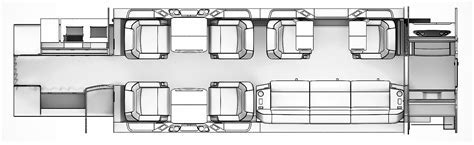
Monthly management fees cover hangaring, dispatch services, insurance, inspections, and administrative overhead. In 2025, these typically range from $8,000 to $12,000 per month, depending on the aircraft’s category and operator.
Over the course of a year, this adds an additional $96,000–$144,000 to ownership expenses.
Total Yearly Cost Estimate by Jet Class
Let’s evaluate annual costs for a typical 1/16 share based on 50 hours of flight time:
| Jet Class | Upfront Cost | Hourly Cost (50h) | Annual Ops & Fees | Total Yearly Cost |
|---|---|---|---|---|
| Light Jet | $350,000 | $150,000 | $100,000 | $250,000 |
| Midsize Jet | $500,000 | $225,000 | $120,000 | $345,000 |
| Large Jet | $1.5M | $450,000 | $140,000 | $590,000 |
Operators in Focus: NetJets, Flexjet, and Jetfly
NetJets
With over 750 aircraft in its global fleet, NetJets is the largest fractional ownership provider. It offers robust guarantees such as:
- Jet class upgrade at no extra cost during unavailability
- 24/7 dispatch and concierge services
- Worldwide operational access
NetJets operates regionally under two major entities—NetJets USA and NetJets Europe, allowing for transatlantic consistency in service and aircraft standards.
Flexjet
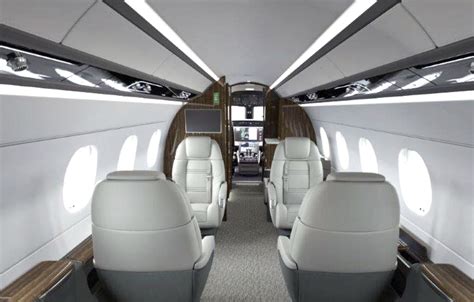
Flexjet, heavily focused on the North American market, offers ultra-premium interiors and custom livery options. Its fractional program leans toward midsize and super-midsize jets, often targeting executives and upper-echelon professionals who travel regionally.
Jetfly
Primarily servicing Europe, Jetfly specializes in Pilatus PC-12 and PC-24 fractional programs. These turboprop and light jet offerings allow access to smaller runways and are ideal for European intercity travel.
Tax Benefits of Fractional Ownership
Fractional ownership also offers considerable tax deductions, especially in jurisdictions like the United States. If the aircraft share is used for business purposes, owners can deduct:
- Depreciation under Section 179 (up to full cost)
- Operational expenses such as maintenance, fuel, and crew salaries

These incentives make fractional ownership appealing to entrepreneurs, investment fund managers, and business executives who frequently fly between cities for meetings and project execution.
Comparing Fractional Ownership with Other Aviation Models
While full ownership delivers ultimate control and livery customization, the financial and operational burdens—including maintenance reserves, crew management, and storage logistics—often prove prohibitive for all but the wealthiest individuals or corporations.
In contrast, chartering offers extreme flexibility with no long-term commitment but lacks cost-efficiency at high usage levels and comes with availability unpredictability.
Jet cards offer another middle ground, but their block hour pricing is usually higher than the equivalent per-hour cost of fractional programs. They are better suited for users flying less than 25 hours per year.
Thus, for flyers logging 50–400 hours annually, fractional ownership often hits the sweet spot of control, cost, and convenience.
Is Fractional Ownership Worth It in 2025?
Given inflation, rising fuel costs, and the increasing demand for time-efficient travel, fractional ownership remains a viable investment for professionals who prioritize reliability, access, and the prestige of private aviation.
- Operators are expanding fleets, ensuring better aircraft availability.
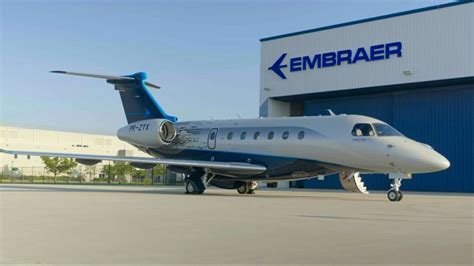
- New aircraft models like the Embraer Praetor 600 and Global 8000 are being added to programs.
- Regulatory support and evolving tax laws continue to reinforce this model’s fiscal advantages.
Moreover, as commercial airline service standards deteriorate, the allure of private aviation—especially for C-level executives, athletes, and touring performers—continues to grow.
Frequently Asked Questions
How does fractional jet ownership differ from jet cards?
Fractional ownership involves owning a portion of an aircraft and securing guaranteed hours annually. Jet cards are prepaid flight hours without ownership. The former has tax advantages and lower per-hour costs, while the latter is more flexible but more expensive per hour.
Can I sell my share before the contract ends?
Most operators allow early exits but usually charge a resale or termination fee. Some programs have internal resale platforms, enabling smoother transitions.
What happens if the aircraft I co-own is unavailable?
Leading operators like NetJets offer equal-class substitutions or upgrades at no additional cost if your dedicated aircraft is under maintenance or already scheduled.