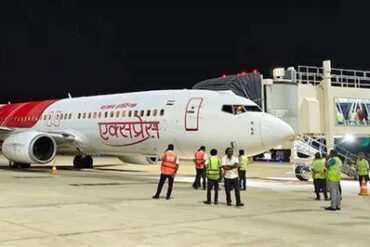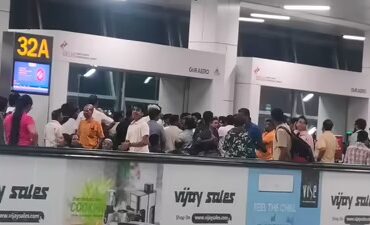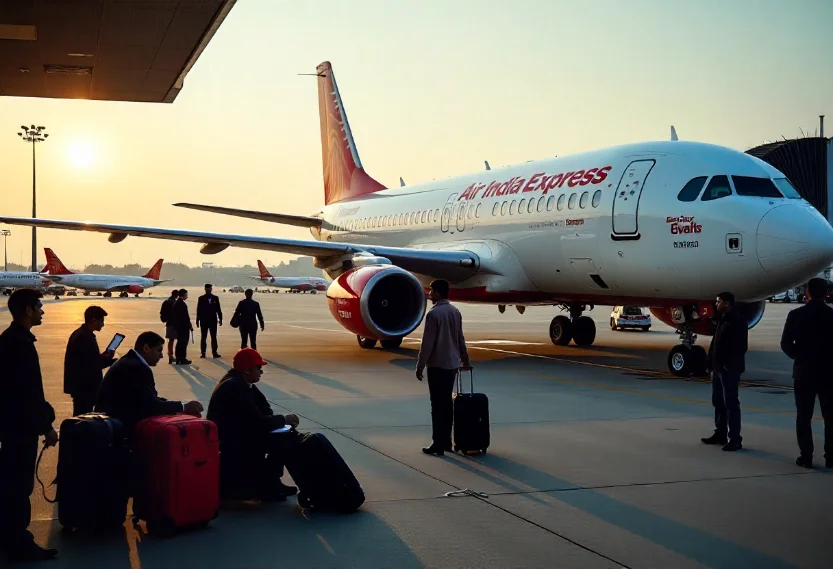
On July 27, 2025, an Air India Express flight departing from Hindon Airport in Ghaziabad, Uttar Pradesh faced a significant technical issue that resulted in a delay of more than six hours and ultimately led to the cancellation of the scheduled departure. The incident caused inconvenience for dozens of passengers, but the airline quickly moved to mitigate the disruption by offering full refunds, free rebooking, and overnight hotel accommodations for affected guests.
What Happened at Hindon Airport?
According to official statements from Air India Express, the aircraft was grounded due to a technical glitch that made it unsafe to proceed with the scheduled flight. In addition to the mechanical problem, watch hour restrictions at Hindon Airport — which has limited operational windows for commercial flights — further complicated rescheduling options. This combination of factors forced the airline to cancel the flight for the day and begin making alternative arrangements for its guests.
A spokesperson for the airline confirmed that passengers were immediately informed about the issue and kept updated throughout the process. Air India Express stated that ensuring the safety and comfort of passengers remained the top priority, even as operational challenges unfolded.
Passenger Support and Compensation Measures
To address the inconvenience caused by the cancellation, Air India Express implemented a multi-pronged response designed to minimize passenger discomfort. These measures included:
- Overnight hotel accommodations for stranded travelers, ensuring they had a comfortable place to stay until further arrangements were made.
- Full refunds for those who preferred to cancel their journey.
- Free rebooking options for passengers willing to take the next available flight.
- Regular real-time updates on flight status to keep guests informed and reduce uncertainty.
Passengers who opted for rebooking were accommodated on the next scheduled flights after the airport’s commercial operations resumed, while those who needed immediate alternatives were guided toward other suitable travel options.
Previous Incident Raises Operational Concerns
This incident comes just days after another Air India Express flight (IX375) faced an in-flight technical issue on July 23, 2025, when a Doha-bound aircraft had to return to Calicut International Airport shortly after takeoff. While no passengers were harmed, the early return highlighted the airline’s strict adherence to safety protocols, prioritizing precautionary measures over maintaining strict schedules.
In that case, a replacement aircraft was swiftly dispatched, and refreshments were provided to passengers while they waited for the resumed service. These back-to-back incidents underscore the operational complexities airlines face in balancing mechanical reliability, scheduling constraints, and passenger satisfaction.
The Broader Challenge of Technical Disruptions in Aviation
Technical issues are an unavoidable reality in the aviation industry, where even minor glitches can have cascading effects on operations. Airlines like Air India Express — which primarily caters to Middle Eastern routes and operates with a lean fleet structure — often face additional challenges when mechanical failures collide with airport restrictions, such as the limited watch hours at Hindon.
In this case, the problem was compounded by Hindon’s time-bound civilian operations, making same-day recovery for the disrupted flight nearly impossible. Despite these hurdles, Air India Express managed to execute a contingency plan, demonstrating the value of proactive crisis management in aviation.
Impact on Travelers
For many passengers, the delay was more than just an inconvenience. Some were reportedly traveling for business commitments or connecting flights, and the extended waiting time complicated their onward journeys. However, the airline’s decision to offer full refunds, alternative bookings, and comfortable lodging options softened the blow for most travelers.
Passengers who spoke to reporters described the real-time communication from the airline as “helpful,” with several appreciating the hotel accommodations and meal assistance provided during the overnight wait. While some expressed frustration at the delay, the customer service response was largely viewed as adequate under the circumstances.
Air India Express’ Response and Future Plans
In its official statement, Air India Express emphasized that the incident reinforced its commitment to safety-first operations, even when it results in schedule disruptions. The airline confirmed that it is investigating the root cause of the technical failure and will conduct a thorough review of its maintenance and operational protocols to reduce the likelihood of similar occurrences in the future.
The carrier also acknowledged the need for enhanced communication channels and improved contingency planning to better handle unexpected disruptions. Plans include expanding its fleet reliability programs, strengthening partnerships with ground handling agencies, and investing in real-time passenger support systems for more efficient crisis management.
Lessons for the Airline Industry
This incident at Hindon Airport serves as a case study in airline crisis management. It highlights the importance of transparent communication, swift passenger support, and flexible compensation policies when dealing with disruptions. For Air India Express, the ability to quickly provide alternative travel options and refunds demonstrated a customer-centric approach that helped maintain passenger trust in a difficult situation.
Moreover, the episode reflects a growing need for better contingency strategies across the aviation sector, particularly for airlines operating out of secondary airports with operational constraints. The lesson is clear: while technical issues may be inevitable, the quality of an airline’s response defines its reputation and long-term customer loyalty.
Conclusion
The July 27 Air India Express delay at Hindon Airport is more than a one-off disruption; it is a reminder of the delicate balance between safety, operations, and customer experience in modern aviation. By providing refunds, rebooking, accommodations, and timely updates, the airline demonstrated a measured and empathetic approach to crisis management.
As Air India Express continues to enhance its operational resilience and invest in passenger-focused solutions, travelers can expect improved handling of such unforeseen disruptions in the future. For now, the incident underscores one enduring truth in aviation: while flight delays are inconvenient, prioritizing safety and customer care remains paramount.