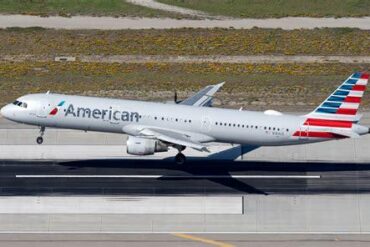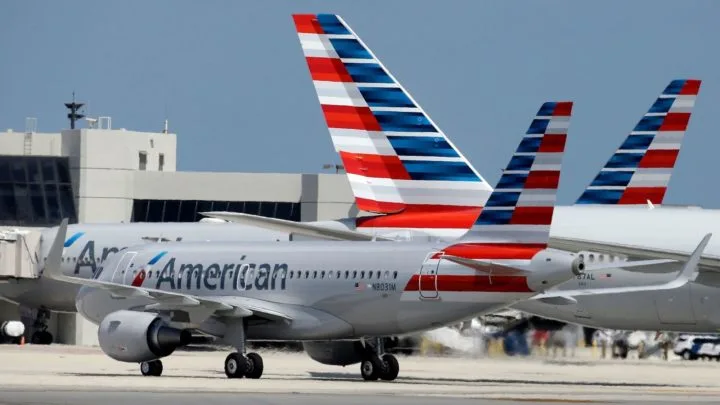
A routine American Eagle departure turned into an unexpectedly lucrative opportunity for five travelers after airline staff determined the aircraft was too heavy for safe takeoff. Instead of forcing passengers off involuntarily, American Airlines reportedly offered volunteers a generous compensation package worth $1,200 each, plus hotel accommodations and seats on a later flight.
The incident quickly gained traction online after a woman shared on X that her daughter witnessed the unusual situation unfold at the gate. According to the post, a family of five accepted the offer, walking away with a substantial travel payout while helping the aircraft meet operational safety limits.
What sounded like an airline mishap was, in reality, a textbook example of aviation safety procedures working exactly as intended.
For airlines operating smaller regional aircraft, weight restrictions are not merely recommendations. They are strict operational boundaries that determine whether a plane can safely leave the runway, climb efficiently, and maintain stable flight characteristics. When those limits are exceeded, airlines must act immediately — even if it means delaying passengers or reducing onboard weight moments before departure.
The aircraft involved was reportedly operated under the American Eagle regional network, which primarily uses smaller jets designed for short- and medium-haul routes. These aircraft are far more sensitive to passenger loads, baggage weight, fuel requirements, and weather conditions than larger mainline aircraft like the Boeing 737 or Airbus A321.
Why Smaller Regional Jets Face Tougher Weight Restrictions
Regional aircraft typically carry between 50 and 76 passengers, giving pilots and dispatchers much tighter performance margins. A relatively small increase in payload can significantly affect takeoff capability, particularly during warm weather or at airports with shorter runways.
When temperatures rise, air density decreases. Pilots commonly refer to this as “hot and high” performance degradation, even at lower-elevation airports. Thinner air reduces engine efficiency and wing lift, forcing aircraft operators to reduce overall weight to maintain safe takeoff performance.
In practical terms, that means airlines sometimes have to choose between carrying all passengers, loading enough fuel, or transporting baggage and cargo.
On heavily booked regional flights, the easiest variable to reduce is passenger count.
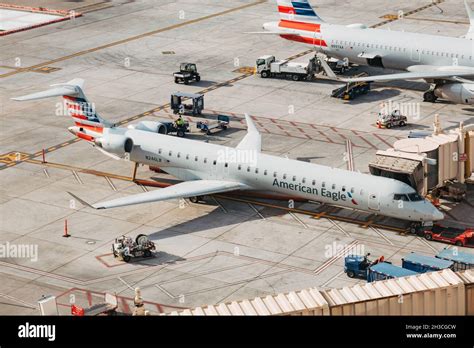
According to the viral account posted online, gate agents requested five volunteers willing to take a later departure in exchange for compensation. Rather than facing angry resistance, the offer triggered immediate interest because of the unusually high payout.
“The problem was weight on the plane,” the woman wrote online. “A family of 5 took that amazing deal.”
For flexible travelers, the arrangement essentially turned a routine travel delay into a mini vacation subsidy worth thousands of dollars.
The Science Behind Aircraft Weight And Balance
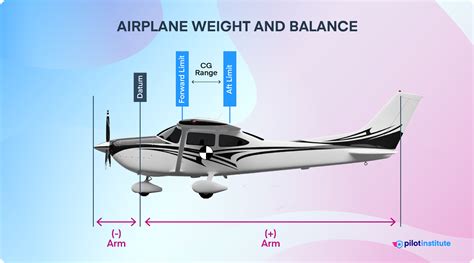
Every commercial flight operates within a carefully calculated weight-and-balance envelope established by aircraft manufacturers and aviation regulators. These calculations determine far more than whether a plane can physically leave the ground.
They directly affect:
- Takeoff distance
- Climb performance
- Fuel efficiency
- Stall characteristics
- Landing capability
- Aircraft stability
Perhaps most critically, crews must ensure the aircraft’s center of gravity remains within approved limits. If the center of gravity shifts too far forward or aft, pilots may struggle to control pitch movement during takeoff and landing.
Modern airlines use advanced load-planning software that incorporates passenger numbers, cargo weight, baggage totals, fuel requirements, and weather conditions. Pilots review those calculations before departure, and any discrepancy can force immediate operational changes.
Removing passengers is considered a last-resort solution, but it remains a completely standard safety procedure within the industry.
Aviation History Shows Why Weight Errors Matter
The strictness surrounding aircraft loading rules stems from hard lessons learned through previous accidents.
One frequently cited example is National Airlines Flight 102, a cargo flight that crashed shortly after takeoff from Bagram Airfield in Afghanistan in 2013. Investigators determined that heavy military vehicles broke loose during departure, shifting the aircraft’s center of gravity beyond controllable limits. The Boeing 747 stalled and crashed within seconds.
The accident demonstrated how quickly an aircraft can become uncontrollable when weight distribution fails.
Another significant case involved Air Midwest Flight 5481 in 2003. Investigators found that outdated passenger weight assumptions contributed to an overloaded aircraft operating with an unsafe aft center of gravity. The regional aircraft crashed shortly after takeoff from Charlotte Douglas International Airport, killing all onboard.
Those tragedies permanently influenced how airlines calculate passenger weights and manage aircraft loading procedures today.
How Airlines Estimate Passenger Weight
Commercial airlines generally do not weigh individual passengers before boarding domestic flights. Instead, they rely on standardized average passenger weight assumptions approved by aviation regulators.
For years, critics argued those assumptions underestimated real-world passenger and carry-on baggage totals. In response, the Federal Aviation Administration revised standard passenger weight averages to better reflect modern travel realities.
Today’s calculations include estimated weights for:
- Adult passengers
- Children
- Carry-on bags
- Checked luggage
- Cargo shipments
Regional flights receive especially close scrutiny because smaller aircraft have less room for operational error.
Airlines also electronically cross-check load sheets between dispatch teams, gate personnel, and pilots before departure. Even with sophisticated systems, however, unexpected weight imbalances can still occur due to weather changes, rerouting requirements, or fuel adjustments.
Why Airlines Prefer Volunteers Instead Of Forced Removal
From both a customer-service and regulatory standpoint, airlines strongly prefer voluntary solutions when reducing passenger loads.
Offering compensation allows carriers to solve operational issues quickly while minimizing conflict at the gate. In this case, the unusually high $1,200 payment likely reflected the urgency of the situation and the need to secure volunteers immediately before departure.
Federal rules governing denied boarding compensation primarily apply to oversold flights rather than weight-restriction scenarios. That gives airlines flexibility in how they negotiate volunteer arrangements.
For some travelers, these offers become surprisingly attractive opportunities.
A family of five accepting the American Airlines proposal could have received:
- $6,000 in compensation
- Hotel accommodations
- Rebooked flights the following day
That total rivals the cost of some international vacations.
Safety Always Overrides Schedule Pressure
Although social media users treated the story as humorous or bizarre, aviation professionals viewed the situation very differently. The decision to reduce passenger weight reflects a deeply embedded safety culture within commercial aviation.
Pilots are legally prohibited from operating outside approved performance limits, regardless of scheduling pressure or passenger inconvenience. Dispatchers, gate agents, and flight crews all share responsibility for ensuring the aircraft complies with safety regulations before pushback.
In many ways, the incident highlights why commercial aviation remains extraordinarily safe despite the complexity of modern airline operations. Behind every departure lies an enormous network of calculations, safeguards, and contingency procedures designed to eliminate unnecessary risk.
For five passengers, that safety protocol turned into a profitable travel delay. For the airline, it was simply another example of aviation’s uncompromising approach to operational limits.