Passengers arriving at Orlando International Airport (MCO) aboard multiple Virgin Atlantic flights endured an exhausting overnight ordeal after severe weather disrupted baggage handling operations, leaving more than 800 travelers stranded inside the international arrivals baggage hall for over five hours. The incident, which unfolded on June 27, quickly escalated from an inconvenient delay into a situation that sparked frustration, health concerns, and questions about airport contingency planning.
Travelers arriving from London Heathrow Airport (LHR) expected a routine arrival after crossing the Atlantic. Instead, they were informed shortly after landing that deteriorating weather conditions had temporarily halted baggage unloading from their aircraft. While operational delays caused by lightning or severe weather are not uncommon at airports, few passengers anticipated remaining inside the baggage claim area well past midnight with little indication of when their luggage would finally arrive.
As additional Virgin Atlantic flights reached Orlando under similar circumstances, congestion inside the customs and baggage claim area rapidly intensified. The combination of delayed baggage unloading, multiple international arrivals, and limited passenger facilities transformed the arrivals hall into a crowded waiting area where hundreds of exhausted travelers found themselves with few options.
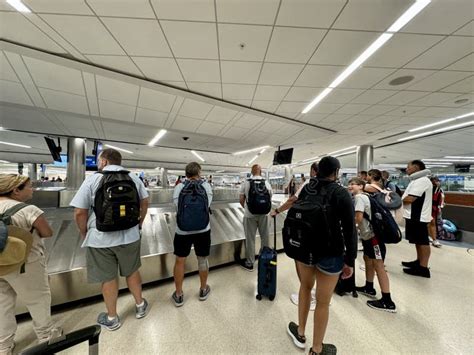
Weather Disruptions Trigger Massive Baggage Handling Delays
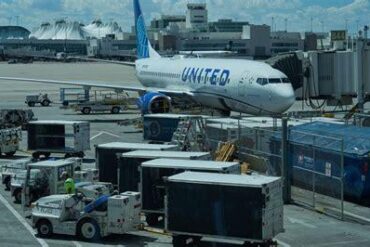
According to reports, the first affected Virgin Atlantic flight landed at approximately 7:00 PM local time after departing London Heathrow. Airport personnel advised passengers that safety procedures prevented baggage crews from unloading luggage while severe weather remained in the vicinity. Such restrictions are standard across many airports because ramp personnel cannot safely work near aircraft during lightning activity or dangerous weather.
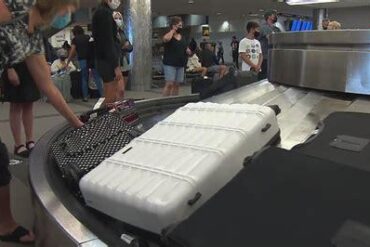
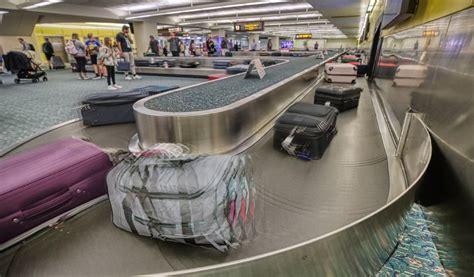
Although passengers understood the initial safety explanation, frustration mounted as the hours passed with virtually no visible progress. After clearing immigration, travelers entered the baggage hall expecting only a temporary delay. Instead, baggage carousels remained empty while airport announcements repeatedly extended the expected waiting period.
The situation became increasingly difficult because several international arrivals experienced the same operational bottleneck simultaneously. With thousands of checked bags awaiting unloading, airport ground operations faced a significant backlog that continued long after weather conditions improved.
Passengers Told Leaving Without Bags Could Result in Arrest
The most controversial aspect of the incident emerged when travelers reportedly considered abandoning their luggage and leaving the airport. Airport officials informed passengers that departing the customs-controlled baggage area without retrieving checked baggage could violate federal customs procedures and potentially lead to enforcement action, including arrest.
This warning surprised many international visitors unfamiliar with United States Customs and Border Protection (CBP) requirements. Under U.S. customs regulations, international passengers generally must claim all checked baggage before exiting the customs inspection process. The policy exists because unclaimed baggage arriving on international flights must remain associated with its owner until customs clearance has been completed.
The requirement is based on strict security protocols rather than airline policy alone. Allowing passengers to leave while checked baggage remains inside a secure customs environment creates additional security and customs complications, particularly regarding unattended or unclaimed luggage.
Long Waits Created Difficult Conditions for Families and Elderly Travelers
As the evening stretched into the early hours of the morning, conditions inside the baggage claim area became increasingly uncomfortable. Travelers reported that available seating quickly filled, forcing many elderly passengers, families with young children, and individuals carrying infants to sit directly on the floor while waiting for updates.
Food also became a significant concern. Since the customs arrivals area offers limited dining options, many passengers had few opportunities to purchase meals or refreshments during the lengthy delay. Several travelers described the experience as one of the most difficult airport arrivals they had ever encountered.
The physical strain of remaining inside the crowded facility for hours reportedly resulted in one passenger collapsing, prompting emergency medical personnel to respond. While only one medical emergency was publicly reported, the incident highlighted the challenges that extended confinement can present for vulnerable travelers.
Airport and Virgin Atlantic Respond to Passenger Complaints
Following widespread criticism, Orlando International Airport acknowledged the disruption and expressed regret over the experience faced by arriving passengers. Airport representatives stated that severe weather created operational challenges while recognizing that limited food availability within the customs area made the situation considerably more difficult.
Virgin Atlantic also contacted affected customers after the incident. The airline apologized for the disruption and offered reimbursement for snack purchases made during the extended wait whenever receipts were available. Although food choices inside the customs area remained limited, the gesture aimed to ease some of the inconvenience experienced by passengers.
The airline emphasized that weather-related ramp closures are implemented primarily for employee safety and that baggage handling cannot resume until airport authorities determine conditions are safe for ground crews.
Why International Travelers Cannot Simply Leave Without Their Luggage
Many travelers questioned why authorities insisted passengers remain inside the baggage hall instead of allowing them to collect luggage later. The answer lies in U.S. customs procedures governing arriving international baggage.
Unlike many domestic flights, international arrivals require passengers to complete customs processing with all accompanying baggage. This process helps authorities verify declarations, inspect luggage when necessary, and ensure that checked bags remain linked to their owners throughout customs clearance.
Leaving luggage behind could result in bags being classified as unclaimed property within a secure customs environment. Besides creating logistical complications, unattended baggage also presents potential security concerns that airports seek to avoid through strict enforcement of existing regulations.
Operational Lessons From the Orlando Airport Incident
While weather-related delays remain unavoidable in aviation, the Orlando incident illustrates how rapidly operational disruptions can escalate when several widebody international flights arrive during the same period. Limited seating, restricted food access, prolonged communication gaps, and the inability of passengers to leave combined to create an experience that many described as far more stressful than the flight itself.
Virgin Atlantic continues operating year-round nonstop flights to Orlando from London Heathrow and Manchester, with seasonal services from Edinburgh during the Northern Hemisphere winter. Shortly after the incident, the airline also prepared to transition its Orlando operations from Terminal A to Terminal C.
For hundreds of passengers who arrived expecting the beginning of a Florida vacation, the first memories of Orlando instead became an overnight wait for luggage that lasted well beyond five hours—an experience likely to fuel ongoing discussions about airport emergency preparedness, passenger communication, and baggage recovery procedures during severe weather disruptions.