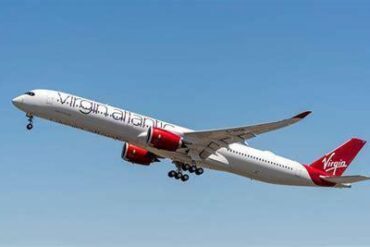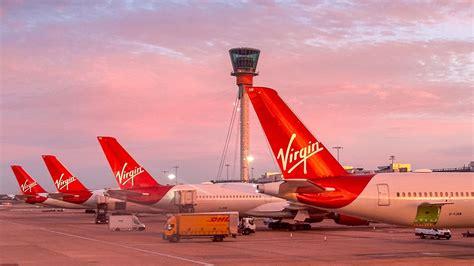
Virgin Atlantic has quietly reshaped the long-haul map with a bold new addition: a nonstop service linking London Heathrow and Seoul Incheon. Clocking in at over 14 hours on the return leg, this route is more than just another destination—it’s a strategic, operational, and geopolitical statement wrapped into one ultra-long-haul experience.
A Strategic Leap Into Asia’s Competitive Core
Virgin Atlantic’s expansion into South Korea didn’t happen by chance. The airline has long held a strong transatlantic identity, but Asia remained a noticeable gap in its network after the suspension of previous routes. The launch of Seoul marks a calculated return to the region, driven as much by opportunity as by regulatory dynamics.
Behind the scenes, the catalyst was the merger between Korean Air and Asiana Airlines. Regulatory authorities in the UK raised concerns about reduced competition on UK–South Korea routes, prompting a requirement for slot redistribution. This opened the door for Virgin Atlantic to step in with a daily service—effectively ensuring continued market balance while allowing the airline to establish a foothold in one of Asia’s most dynamic aviation corridors.
The 14-Hour Reality: A Route Defined by Geography and Politics
At first glance, the distance between London and Seoul suggests a long journey—but not necessarily a record-breaker. However, modern aviation realities have changed that equation. With Russian airspace closed to many Western carriers, flights must now detour significantly, often routing through Central Asia and parts of the Middle East.
The result is a dramatic increase in flight time. While the outbound journey from London to Seoul averages around 12 hours and 40 minutes, the return leg stretches to an impressive 14 hours and 25 minutes. This makes it Virgin Atlantic’s longest route by block time, surpassing even its most demanding transatlantic and African services.
This extended duration is not merely a scheduling detail—it fundamentally alters crew operations, fuel planning, and passenger experience. Every minute added to the journey compounds operational complexity, making this route a true test of endurance for both aircraft and airline.
Inside the Aircraft: The Boeing 787-9 Experience
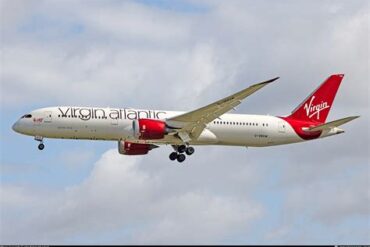
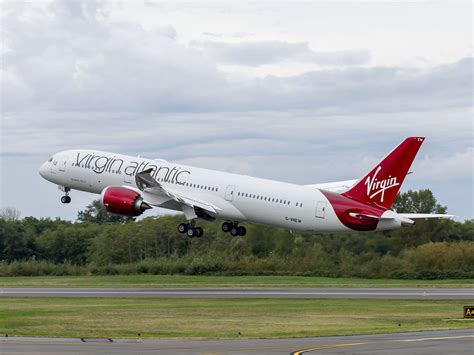
Virgin Atlantic operates the Seoul route using its Boeing 787-9 Dreamliner, configured with 258 seats across three cabins. The aircraft includes:
- 31 Upper Class seats in a 1-1-1 layout
- 35 Premium seats in a 2-3-2 configuration
- 192 Economy seats in a 3-3-3 arrangement
Despite the aircraft’s efficiency and range capabilities, the onboard product reflects an earlier generation of cabin design. While still comfortable, it lacks the cutting-edge features seen on newer aircraft. A full retrofit program is planned between 2028 and 2030, signaling Virgin’s intent to enhance competitiveness on long-haul routes like Seoul.
Passengers on this flight experience the full spectrum of ultra-long-haul travel: multiple meal services, extended rest cycles, and the psychological shift of crossing continents in a single stretch. The Dreamliner’s quieter cabin and improved humidity help mitigate fatigue, but 14 hours in the air remains a demanding journey.
Why This Route Redefines Virgin’s Network
The Seoul service is not just the longest—it’s a symbol of transformation. For years, Virgin Atlantic’s network leaned heavily toward North America, with limited diversification. This new route signals a pivot toward broader global connectivity, leveraging alliances and strategic partnerships.
As a member of the SkyTeam alliance, Virgin Atlantic benefits from codeshare arrangements and network feed, particularly with Korean Air. While this reduces direct competition, it strengthens connectivity for passengers, offering seamless onward travel throughout Asia.
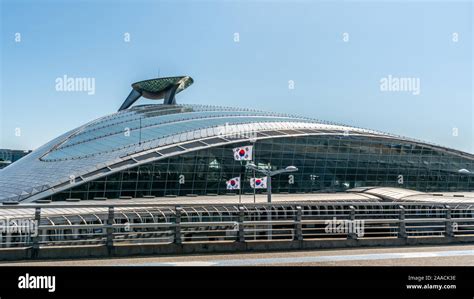
The requirement to operate the route for at least three years ensures stability, giving Virgin time to build brand presence and customer loyalty in the Korean market. It also reinforces Heathrow’s role as a global hub, linking Europe with East Asia through expanded airline participation.
How It Compares: Virgin Atlantic’s Longest Flights Ranked
Even within Virgin Atlantic’s own network, the Seoul route stands apart. Its return leg exceeds all others in duration, including:
- Phuket to Heathrow (around 13 hours 40 minutes)
- Cape Town to Heathrow (up to 12 hours)
- Johannesburg to Heathrow (around 11 hours 20 minutes)
- Los Angeles to Heathrow (up to 11 hours 20 minutes)
What makes Seoul unique is not just its length, but the conditions driving it. Unlike leisure-heavy routes such as Phuket, or business-heavy corridors like New York, Seoul blends both segments while navigating complex geopolitical constraints.
The Passenger Perspective: Endurance Meets Opportunity
For travelers, this route offers a direct link between two major global cities without the need for connections—a significant advantage in both time and convenience. Business travelers gain efficiency, while leisure passengers benefit from simplified itineraries.
Yet, the length of the flight introduces new considerations. Choosing the right seat, managing jet lag, and pacing the journey become essential strategies. Premium cabins offer enhanced comfort, but even economy passengers benefit from the Dreamliner’s advanced cabin environment.
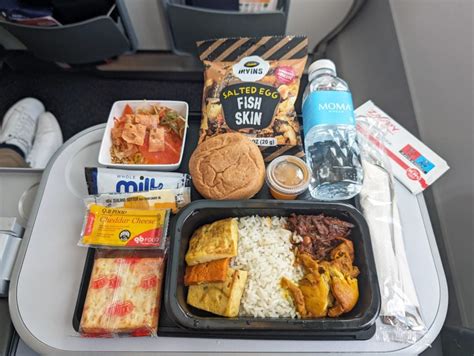
The extended flight time also creates opportunities for airlines to refine onboard services. From curated meal timings to improved entertainment options, every detail plays a role in shaping the passenger experience across such a long duration.
A Defining Chapter in Long-Haul Aviation
Virgin Atlantic’s Heathrow–Seoul route is more than its longest flight—it’s a reflection of how aviation continues to adapt to shifting geopolitical realities, competitive pressures, and evolving passenger expectations. The 14-hour journey encapsulates the challenges and possibilities of modern long-haul travel.
As the airline looks ahead to cabin upgrades and potential network expansion, this route stands as a benchmark. It proves that even in a constrained airspace environment, innovation and strategy can open new pathways—connecting continents, cultures, and markets in a single, uninterrupted flight.