The era of the Boeing 747 as a mainstream passenger aircraft is undeniably fading, yet in 2026 it still performs some of the most demanding long-haul missions ever scheduled from and to the United States. These flights are not routine hops across the Atlantic. They are endurance tests that stretch close to 17 hours, shaped by geopolitics, airspace restrictions, fleet economics, and the unique capabilities of the Jumbo Jet.
During the first half of 2026, global scheduled passenger operations on the 747 will fall to just over 8,300 flights, a year-on-year decline of around 5%. Despite that contraction, a small number of ultra-long-haul routes remain strategically important. They represent the absolute limits of what a four-engine widebody can do in commercial service, and the US sits at the center of several of them.
What makes these routes remarkable is not just their duration, but why they exist at all. Modern twinjets such as the A350 and 787 can fly similar distances more efficiently, yet airlines like Air China, Lufthansa, and Korean Air continue to rely on the 747 where payload, range, and operational flexibility still align.
The 17-Hour Benchmark: Washington Dulles to Beijing Capital
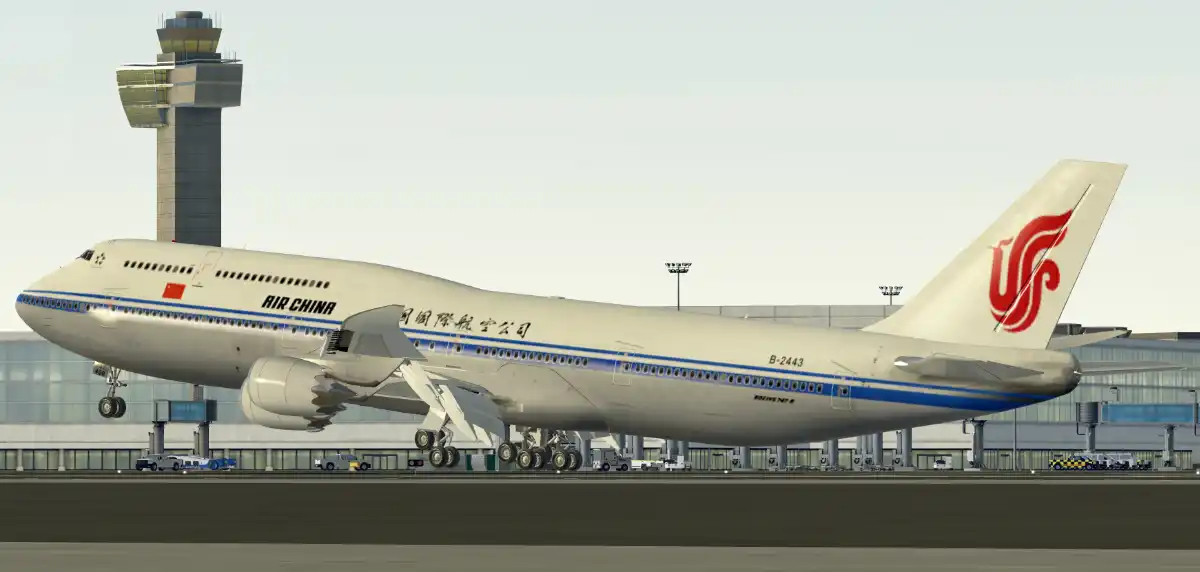
At the top of the list sits a route that has quietly become historic. Washington Dulles to Beijing Capital, operated by Air China, is scheduled at a staggering 16 hours and 55 minutes, making it the longest passenger Boeing 747 flight in the world in 2026. This service alone illustrates how political geography now shapes aviation as much as aerodynamics.
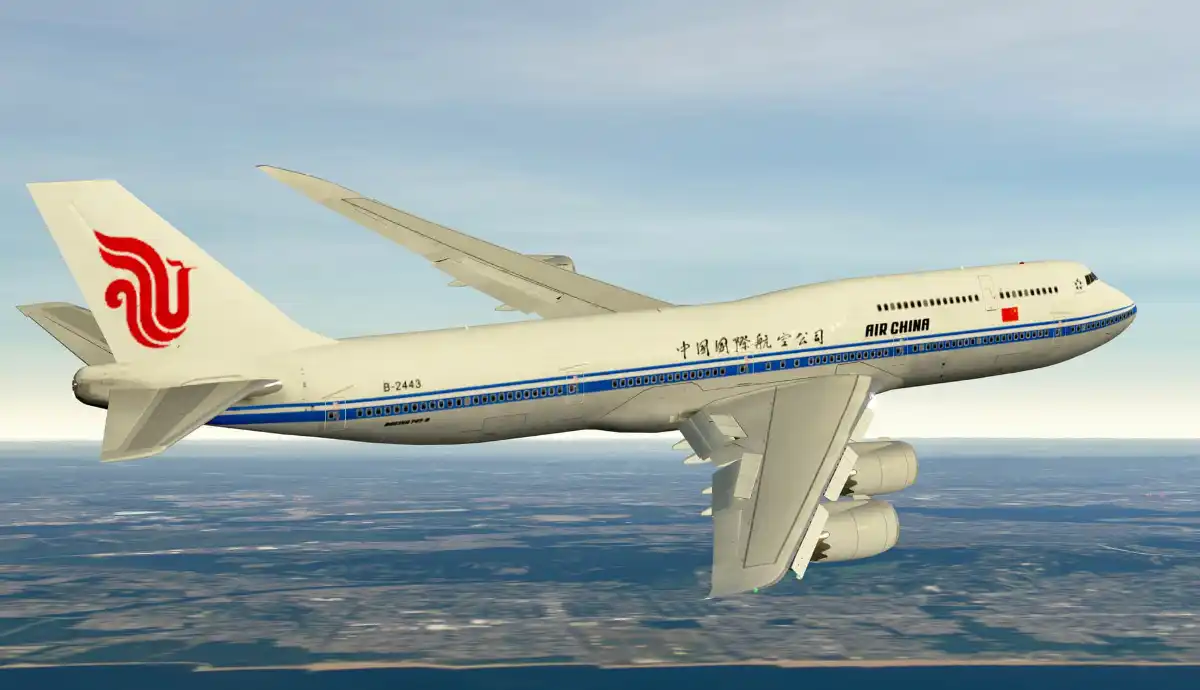
Air China operates the flight using the 747-8 Intercontinental, configured with 365 seats across four cabins, including a true international first class. The unusually long block time is primarily driven by the need to avoid Russian airspace, forcing the aircraft onto a longer southern and polar-adjacent routing. Eastbound, the flight departs Beijing in the late afternoon and arrives in Virginia the same day. Westbound, the return leg pushes crews and passengers into an almost surreal arrival just before 4:00 am, two calendar days after departure.
New York JFK to Beijing: Nearly as Long, Far Busier
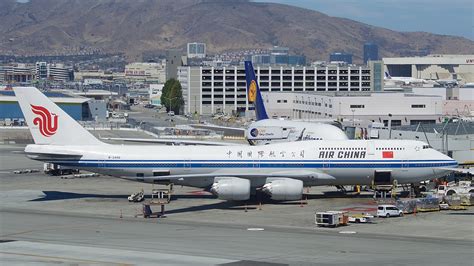
Just ten minutes shorter, New York JFK to Beijing Capital ranks second with a maximum scheduled time of 16 hours and 45 minutes. Unlike the Dulles route, this service runs five times weekly, reflecting the persistent demand between the New York metropolitan area and northern China.
The same airspace constraints apply, and the same aircraft type is used. From an operational perspective, this flight pushes the 747-8 close to its economic edge. Fuel planning, crew duty limits, and maintenance margins all become critical. Yet the aircraft’s combination of range and payload still allows Air China to carry both passengers and belly cargo profitably on a route that would be challenging for older widebodies.
Lufthansa’s Long-Haul 747 Network Anchored in Frankfurt
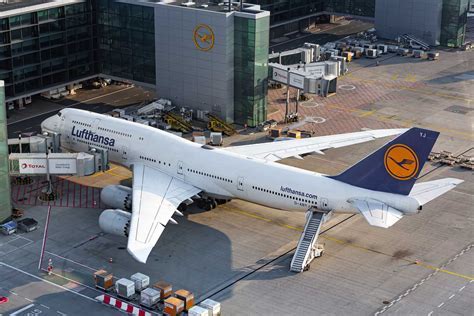
While Air China dominates the top two positions, Lufthansa fills most of the remaining top ten with an extensive web of long-haul 747 services radiating from Frankfurt. The German carrier remains the world’s largest passenger operator of the type, flying both the 747-8i and a shrinking number of 747-400s.
One of the longest is Tokyo Haneda to Frankfurt, clocking in at 14 hours and 25 minutes. This route underscores Lufthansa’s strategy of pairing premium-heavy demand with aircraft that still offer significant cargo volume. Southbound, Frankfurt to Buenos Aires reaches 13 hours and 50 minutes, matching the equally long Shanghai Pudong to Frankfurt sector, which continues to see the older 747-400 during parts of the year.
Asia to the US: Korean Air’s Westbound Marathon
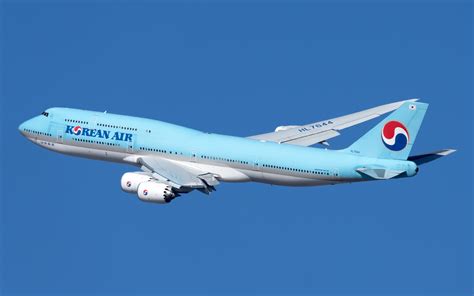
Korean Air claims a key place in the ranking with Los Angeles to Seoul Incheon, scheduled at up to 13 hours and 45 minutes. Westbound transpacific flights are always longer due to prevailing winds, and this route is a textbook example. Operated by the 747-8i, it remains one of the airline’s most capacity-intensive services to the United States.
Only a year earlier, Korean Air’s 747s were also flying from Atlanta and New York JFK to Incheon with block times approaching 16 hours. Those services ranked among the longest in the world in 2025 but have since transitioned to more modern aircraft. Their removal highlights how narrow the window now is for passenger 747 operations at the extreme end of the range spectrum.
The Longest Flights Still Using the 747-400
Not all of these endurance routes are flown by the newest Jumbo variant. Lufthansa’s 747-400, averaging nearly 26 years in age, still handles missions of up to 13 hours and 50 minutes, most notably between Shanghai and Frankfurt, and Singapore to Frankfurt at 13 hours and 25 minutes.
These aircraft feature a denser, less premium cabin than the 747-8i, yet they remain structurally capable of such missions. Their continued use reflects careful fleet planning rather than nostalgia. Every remaining flight is chosen where replacement capacity is not yet optimal or where cargo demand justifies keeping the Jumbo in service a little longer.
Why These Flights Matter in 2026
The top ten longest nonstop Boeing 747 flights involving the United States are more than trivia. They represent the final frontier of quadjet passenger operations, executed only where operational necessity outweighs efficiency concerns. Each route tells a story about geopolitics, fleet transition, and the stubborn usefulness of an aircraft first flown more than half a century ago.
As 2026 unfolds, these flights stand as moving monuments in the sky—long, demanding, and increasingly rare. The Boeing 747 may be approaching the end of its passenger life, but on these routes, it still performs feats few aircraft can match.