The sheer geographic scale of the United States means domestic flights can sometimes rival intercontinental journeys in both duration and distance. While most domestic passengers might think of quick coast-to-coast hops, a select few routes stretch the limits of endurance, clocking in at nearly 11 hours in the air without leaving American soil. These ultra-long domestic sectors are anchored around one constant: Hawaii — a state that remains geographically distant yet deeply integrated into the national air network.
Boston to Honolulu: America’s Longest Domestic Route
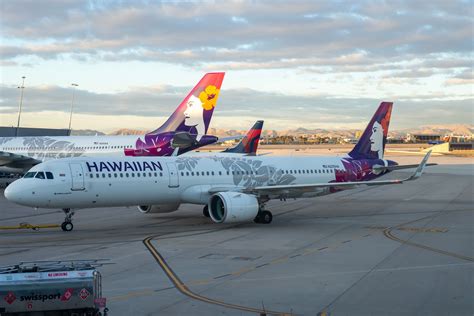
At the top of the list sits the Boston (BOS) to Honolulu (HNL) flight, with a staggering maximum block time of 11 hours and 5 minutes. Operated exclusively by Hawaiian Airlines, this 5,100-mile journey is the very definition of long-haul domestic travel. Launched in April 2019, it continues to operate five times weekly using the Airbus A330-200, a widebody configured with 278 seats optimized for transoceanic missions.
The route’s demanding duration and its single-operator status make it both a logistical challenge and a testament to Hawaiian’s niche dominance. Delta Air Lines attempted to penetrate this market with a seasonal service beginning in November 2024, but dismal performance — with a load factor of just 62% — led to its swift withdrawal by April 2025. The market simply didn’t support two carriers, particularly one without the Hawaiian brand’s powerful home advantage.
JFK to Honolulu: Coastal Titans Connect
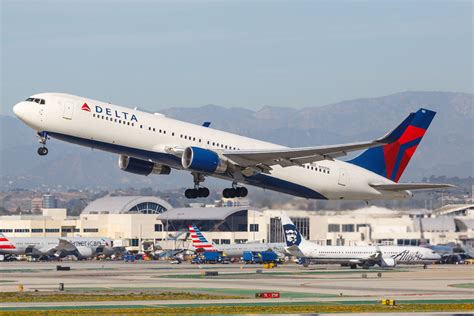
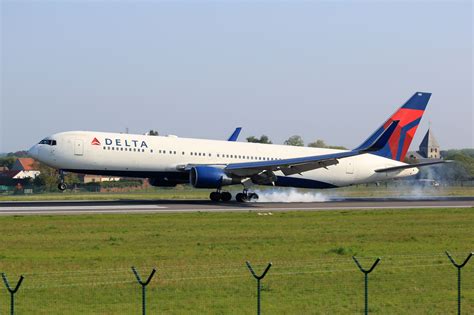
Close behind is the New York JFK to Honolulu route, clocking in at 10 hours and 58 minutes of scheduled time. This transcontinental-plus-oceanic marathon is shared between Delta Air Lines, using the Boeing 767-300ER, and Hawaiian Airlines, which operates the Boeing 787-9 Dreamliner. The presence of two operators on this route reflects the robust demand from the New York area, but also highlights how aircraft choice influences performance and passenger experience on such marathon flights.
The 767, while a classic workhorse, pales in comfort and fuel efficiency compared to the newer 787-9, making Hawaiian’s product more appealing to discerning long-haul travelers. Both carriers, however, capitalize on year-round demand from leisure and VFR (visiting friends and relatives) travelers.
Washington Dulles to Honolulu: East Coast Ambition
Slotting in at number three is United Airlines’ weekly Washington Dulles (IAD) to Honolulu (HNL) service. This Saturday-only route is blocked at 10 hours and 18 minutes and is serviced by the Boeing 767-400ER, one of the rarest widebody types in the skies. The aircraft’s range and premium-heavy configuration are ideal for targeting well-heeled leisure travelers and federal employees heading to the islands.
Despite limited frequency, this route adds a strategic link between the U.S. capital and the Pacific, reinforcing United’s ambition to dominate both leisure and government-related travel segments.
Detroit and Atlanta to Honolulu: Heartland to Hawaii
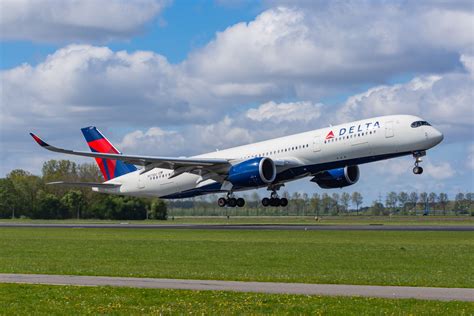
Two routes tie for fourth place, both with a 9 hour and 31 minute block time. Delta’s Detroit (DTW) to Honolulu route uses the 767-300ER, while the Atlanta (ATL) to Honolulu flight is assigned the larger Airbus A330-300.
The Detroit route serves as a Midwest-Pacific corridor, ensuring that travelers from the Rust Belt region have direct access to paradise. The Atlanta service, operating from Delta’s primary hub, reflects the carrier’s commitment to providing Hawaii connectivity from every corner of its network.
Delta’s widebody fleet flexibility — especially with its aging but reliable 767s and efficient A330s — has allowed it to adapt to market shifts while maintaining daily frequency on both routes.
Chicago O’Hare to Honolulu and Kahului: Windy City Connections
United Airlines maintains two long-haul Hawaiian links out of Chicago O’Hare (ORD). The daily Honolulu flight, which takes about 9 hours, is operated using the Boeing 787-10, United’s newest and largest Dreamliner variant. This aircraft brings premium cabin comfort, quiet cabins, and fuel efficiency, vital attributes for long domestic routes.
Meanwhile, the ORD to Kahului (OGG) route, served once weekly with a 787-8, offers a slightly shorter journey at 8 hours and 54 minutes. These twin services underline United’s extensive Hawaii network and its strategy of maximizing the Dreamliner’s range and economics.
Minneapolis to Honolulu: Delta’s Northern Arc
The Minneapolis (MSP) to Honolulu service is another jewel in Delta’s domestic crown. At 8 hours and 33 minutes, the flight covers a massive arc over the Pacific, linking the Upper Midwest directly to Oahu. Operated by a 767-300ER, the route benefits from strong VFR traffic, particularly during cold winter months when Hawaiian warmth becomes even more enticing.
This flight also serves as a vital link for corporate travel out of Minneapolis, a significant business hub home to companies like Target, Best Buy, and 3M. The nonstop option eliminates the need for connecting flights through the West Coast, offering time savings and added convenience.
Houston Intercontinental to Honolulu: United’s Jumbo Domestic Lift
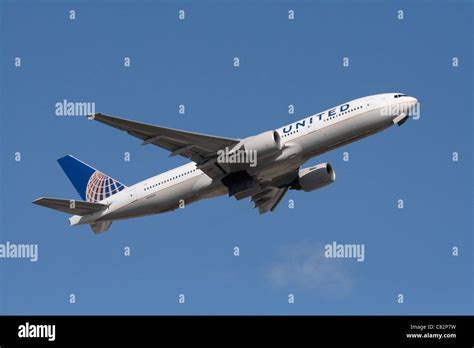
At 8 hours and 14 minutes, the Houston Intercontinental (IAH) to Honolulu route distinguishes itself not just by duration but by aircraft size. United Airlines uses the non-ER Boeing 777-200, seating a whopping 364 passengers in a high-density 3-4-3 economy layout.
These early-generation Triple Sevens are long paid off, making them cost-effective tools for transporting large volumes of leisure travelers. Their use on this route reflects United’s hub-to-hub strength and desire to dominate Hawaii-bound traffic from southern states.
Denver to Lihue: The Final Contender
Rounding out the top 10 is United’s Denver (DEN) to Lihue (LIH) route, blocked at 7 hours and 35 minutes and flown by the Boeing 757-200. Despite being the oldest narrowbody in the top 10, the 757 remains a transoceanic workhorse thanks to its range and relatively small capacity.
Lihue, on the lush island of Kauai, is a niche destination with less demand than Honolulu or Kahului, but United’s consistent presence from Denver fills a crucial gap. The aircraft’s moderate size helps maintain viability on this thinner route while providing direct access from the Mountain West to one of Hawaii’s most scenic locales.
A Near Miss: Atlanta to Anchorage
Just missing the cut is Delta’s Atlanta to Anchorage route, with a block time of 7 hours and 32 minutes, falling three minutes short of tenth place. Though not Hawaii-bound, this transcontinental trek underscores the scale of domestic travel in the US. Anchorage serves as a summer escape for outdoor lovers and adventurers, and Delta has adjusted its schedule to reflect seasonal demand — from weekly winter flights to near-daily service during holidays.
Notably, Delta has used a variety of aircraft on the route since its inception in 2000, including the 757-300, 767-300ER, and even the rare 767-400ER. Should the carrier ever launch service to Orlando, Anchorage’s largest unserved market, it would likely claim a spot on this prestigious list.
Widebodies Reign Supreme
One clear trend across these routes is the dominance of widebody aircraft, particularly the 767, 777, A330, and 787 families. These aircraft offer the range, capacity, and comfort necessary to make 7 to 11-hour flights tolerable for passengers and profitable for airlines.
Among all operators, United Airlines stands out for its reliance on high-capacity aircraft like the 777-200 and its expansive Hawaii footprint. Hawaiian Airlines, though smaller, capitalizes on its brand strength and home-market advantage to defend key routes like Boston-Honolulu.
While other airlines dabble in long-haul domestic service, maintaining competitive load factors and cost efficiency remains a daunting challenge. As Delta’s short-lived Boston experiment illustrates, success in this sector depends on far more than route length.
Conclusion: The Endurance of American Domestic Aviation
The US aviation landscape is unlike any other, where domestic flights can approach the duration of transatlantic journeys. These 10 longest nonstop domestic flights, dominated by routes to and from Hawaii, reveal the complexity and competitiveness of ultra-long domestic operations. They require the right aircraft, strong demand, strategic hubs, and a keen understanding of market dynamics. For travelers, these routes offer the rare chance to travel extraordinary distances without ever clearing customs — proof that domestic doesn’t always mean short.