WestJet has steadily expanded its long-haul network, reflecting the airline’s commitment to connecting Canada with some of the world’s most distant and desirable destinations. As we move into 2026, the Canadian carrier’s ten longest scheduled routes offer a fascinating glimpse into its strategic growth, blending business, leisure, and international travel with a mix of widebody and narrowbody aircraft. Data from Cirium, an aviation analytics firm, highlights these extensive flights, emphasizing block times that stretch the limits of passenger endurance while showcasing WestJet’s operational capabilities.
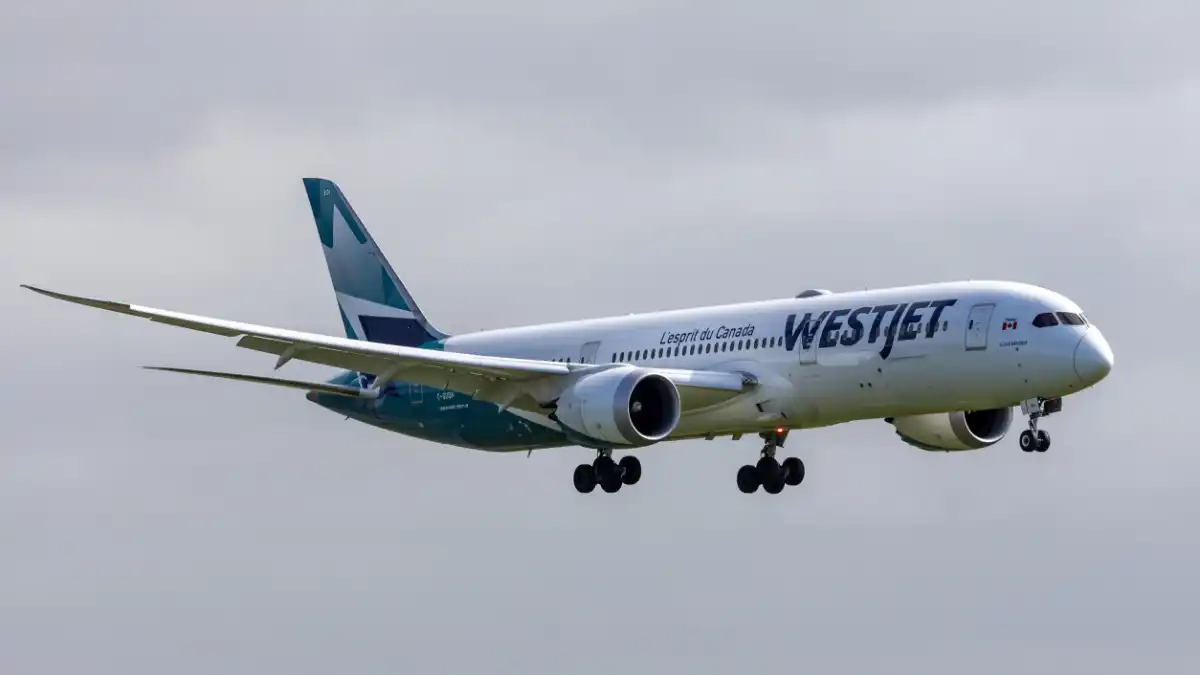
The crown jewel of WestJet’s network is the Calgary to São Paulo route. This impressive connection between North and South America promises a maximum block time of 14 hours and 35 minutes on the return leg to Calgary, positioning it as WestJet’s longest nonstop flight. It surpasses other long-haul services, including Calgary to Seoul at 11 hours and 55 minutes and Calgary to Rome with an 11-hour and 30-minute return journey. Travelers on these ultra-long-haul flights can expect an experience dominated by the Boeing 787-9 Dreamliner, which offers advanced aerodynamics, fuel efficiency, and passenger comfort on journeys that extend far beyond a typical transcontinental hop.
The network extends to other major global hubs. Calgary to Tokyo Narita clocks in at a maximum of 10 hours and 50 minutes, reflecting WestJet’s ambition to tap into Asia-Pacific markets from its western Canadian base. European connections are also prominent: flights from Calgary to Rome, Paris, and London return with durations of 11 hours and 30 minutes, 9 hours and 15 minutes, and 9 hours and 5 minutes respectively. These transatlantic flights not only serve business and tourism but also underscore Calgary’s evolving role as a hub for international travel, an expansion that CEO Alexis von Hoensbroech has celebrated as a defining moment in WestJet’s network evolution.
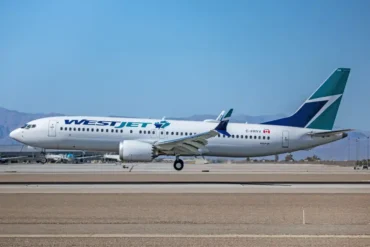
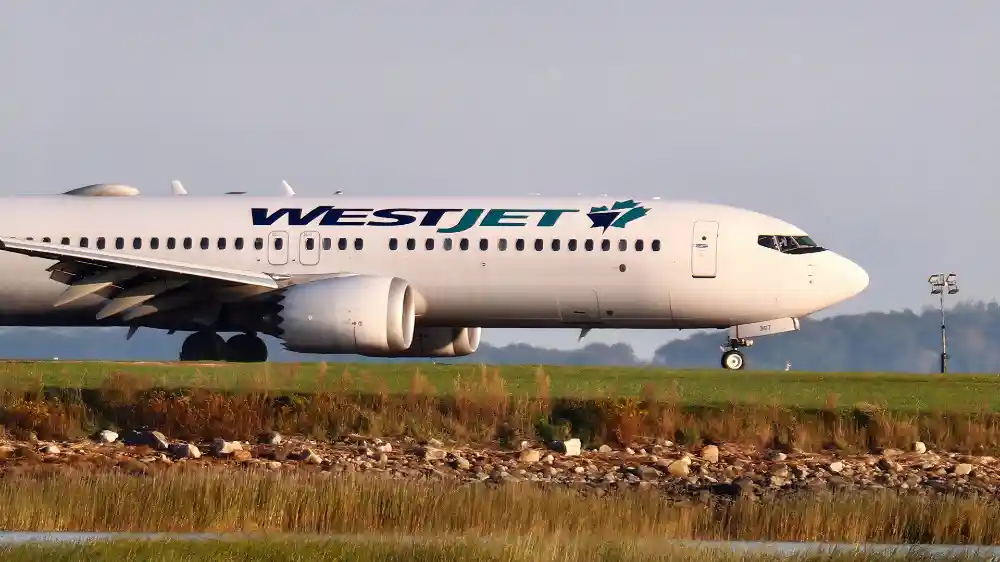
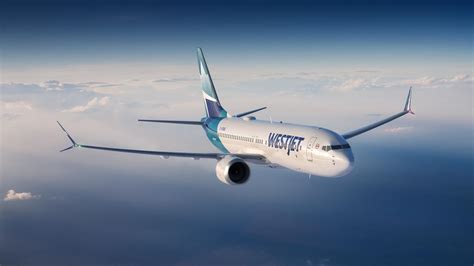
While the Boeing 787 dominates the longest routes, WestJet also relies on its next-generation 737 MAX 8 to operate several notable journeys. Routes to the Caribbean, such as Punta Cana and Puerto Plata in the Dominican Republic, demonstrate the narrowbody’s surprising endurance. For instance, flights from Punta Cana back to Edmonton and Calgary can stretch to nine hours, despite outbound legs typically taking around six-and-a-half hours. Similarly, the seasonal route from Gregorio Luperón International Airport in Puerto Plata to Calgary has a maximum block time of eight hours and 47 minutes, a notable feat for a narrowbody jet. These flights emphasize the flexibility and reliability of WestJet’s fleet, catering to both seasonal demand and long-haul leisure travel.
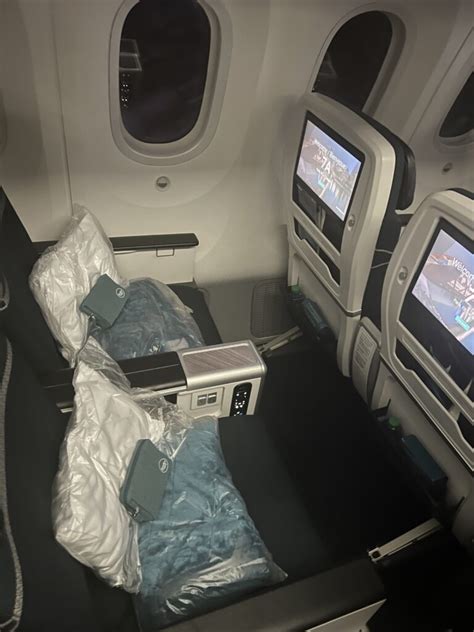
The onboard experience on these ultra-long flights is a critical consideration. WestJet’s Boeing 787-9 Dreamliners are configured in a three-class layout with seating for 320 passengers: 16 business class flatbeds in a 1-2-1 configuration, 28 premium economy recliners in a 2-3-2 arrangement, and 276 economy class seats in a 3-3-3 layout. This setup ensures passengers on flights exceeding 14 hours can find comfort, whether in lie-flat beds, reclined premium seats, or ergonomically designed economy chairs. In contrast, the 737 MAX 8, with 12 premium recliners and 162 economy seats, lacks the spaciousness and amenities of the Dreamliner, presenting a different challenge for passengers on the longer Caribbean routes.
WestJet’s route strategy for 2026 highlights the airline’s dedication to diversity in its long-haul offerings. Its operations span South America, Asia, Europe, and the Caribbean, ensuring a broad mix of leisure, business, and diaspora travel options. The strategic deployment of widebody versus narrowbody aircraft reflects a careful balance between operational efficiency and passenger comfort. The 787 Dreamliner’s advanced technology allows WestJet to maintain service quality on the most demanding routes, while the 737 MAX 8 ensures connectivity to popular seasonal destinations without compromising operational viability.
The geographical reach of WestJet’s long-haul flights also underscores the airline’s role in linking Canada to high-value markets. The Calgary-São Paulo route, in particular, represents a pioneering step for WestJet, establishing a direct connection between Western Canada and South America. This opening not only enhances accessibility for travelers but also signals potential economic and cultural benefits through strengthened trade, tourism, and bilateral relationships. Likewise, connections to major Asian and European capitals position Calgary as a viable gateway for global travel, a move that could influence the Canadian aviation landscape in the coming years.
For passengers, these ultra-long flights present both opportunities and challenges. The ability to traverse continents nonstop is undeniably convenient, reducing travel fatigue associated with layovers. However, maximizing onboard comfort, nutrition, and in-flight wellness becomes paramount. WestJet’s investment in modern aircraft interiors, in-flight entertainment, and cabin service standards is designed to address these needs, although experiences may vary depending on whether the Dreamliner or 737 MAX 8 is deployed.
In conclusion, WestJet’s 2026 long-haul network is a testament to the airline’s ambition and operational prowess. With block times approaching 15 hours, routes spanning four continents, and a fleet equipped to handle extreme long-distance travel, the carrier continues to redefine Canadian aviation. From the historic Calgary-São Paulo flight to seasonal Caribbean services, WestJet’s ten longest routes offer a compelling mix of comfort, connectivity, and strategic foresight, ensuring that passengers are not just traveling, but experiencing the evolution of long-haul air travel in North America.