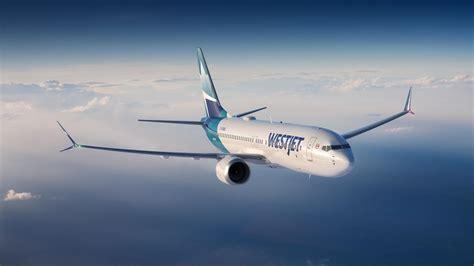
WestJet has quietly become one of North America’s most ambitious narrowbody transatlantic operators, proving that long-haul travel is no longer reserved for widebody aircraft. While many airlines have only recently embraced long-range single-aisle flying with the latest generation of aircraft, WestJet has spent years refining its Boeing 737 MAX 8 operations across the Atlantic. The airline now serves 20 nonstop routes between Canada and Europe, creating an extensive network that connects travelers directly to popular European destinations without relying solely on larger hubs.
Rather than focusing exclusively on Canada’s biggest airports, WestJet has built a strategy around regional gateways, shorter travel times, competitive pricing, and direct access to Europe. This approach has transformed several Canadian airports into practical departure points for travelers who previously needed lengthy domestic connections before beginning their international journeys.
The growing network demonstrates that passenger demand exists beyond traditional long-haul markets. For many travelers, avoiding a connection through Toronto, Montreal, or another major hub is nearly as valuable as finding a lower airfare. WestJet has capitalized on this opportunity by deploying its Boeing 737 MAX 8 fleet across an increasingly diverse selection of European destinations.
Halifax Has Become WestJet’s Atlantic Gateway
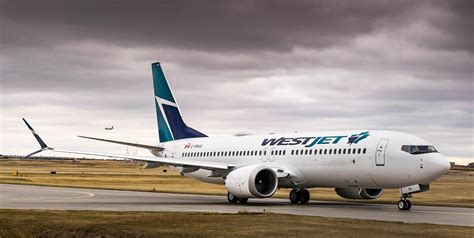
The centerpiece of WestJet’s European expansion is undoubtedly Halifax Stanfield International Airport. Instead of treating Halifax as simply another regional airport, the airline has transformed it into its primary transatlantic narrowbody hub.
During the busy summer travel season, Halifax supports nine nonstop European routes, making it one of Canada’s most important gateways for leisure and business travelers heading across the Atlantic. Amsterdam ranks among the busiest destinations with frequent weekly departures, while Lisbon follows closely behind thanks to strong tourism demand and growing interest in Portugal as a vacation destination.
Additional European services from Halifax include Barcelona, Copenhagen, Dublin, Madrid, Paris, Edinburgh, and London Gatwick. This impressive route diversity allows passengers throughout Atlantic Canada to reach several of Europe’s most popular cities without unnecessary domestic transfers.
The airport’s geographic location plays a major role in making these flights practical. Being Canada’s easternmost major gateway significantly shortens Atlantic crossing times compared to departures from western Canadian cities, helping maximize the operational capabilities of the Boeing 737 MAX 8.
European Expansion Extends Far Beyond Atlantic Canada
Although Halifax represents the heart of WestJet’s European network, the airline has steadily expanded its reach across multiple Canadian provinces.
Toronto remains one of the carrier’s strongest European markets. Daily flights to Edinburgh and frequent services to Dublin provide travelers with flexible scheduling options throughout the summer season. Additional nonstop flights connect Toronto with Cardiff, Glasgow, and Ponta Delgada in the Azores, giving passengers access to destinations often overlooked by larger international airlines.
Western Canada also benefits from the airline’s expanding strategy. Calgary operates daily nonstop flights to Reykjavík, while Edmonton and Winnipeg have each joined the network with seasonal Iceland services. These routes highlight the flexibility of the Boeing 737 MAX, enabling airlines to profitably connect cities that might not consistently support larger aircraft.
St. John’s, located in Newfoundland and Labrador, further strengthens the network by offering nonstop services to London Gatwick, Dublin, and Paris Charles de Gaulle, reinforcing Atlantic Canada’s growing role in transatlantic aviation.
Why The Boeing 737 MAX Makes These Routes Possible
The Boeing 737 MAX 8 has fundamentally changed how airlines approach medium and long-haul international flying. Its improved fuel efficiency and extended range allow carriers to operate routes that were previously uneconomical using older narrowbody aircraft.
Instead of filling a widebody aircraft with hundreds of passengers, WestJet can match capacity more closely to actual demand. This flexibility reduces operating costs while allowing the airline to introduce nonstop service to cities that previously required connecting flights.
For passengers, this often means shorter overall travel times, fewer missed connections, and greater convenience. The ability to fly directly from regional Canadian airports to European destinations represents one of the strongest advantages of WestJet’s current strategy.
The Onboard Experience Is More Practical Than Luxurious
While the route network continues to impress, the onboard experience receives more mixed reviews.
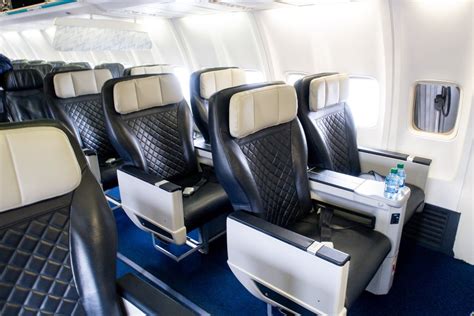
WestJet deliberately assigns its lower-density Boeing 737 MAX 8 configuration to transatlantic routes, providing 12 business class seats and 162 economy seats. This layout offers more personal space than some of the airline’s domestic aircraft while maintaining a balance between comfort and operating efficiency.
Business class features reclining seats rather than fully flat beds. With approximately 38 inches of seat pitch and widths between 20 and 21 inches, travelers receive considerably more room than economy passengers. However, these seats cannot compete with the lie-flat suites commonly found on widebody aircraft operating similar international routes.
Economy passengers receive seats with roughly 30 inches of pitch and a width of approximately 17 inches, which aligns with industry standards for narrowbody aircraft. Entertainment is streamed directly to personal devices instead of seatback screens, creating a relatively minimalist onboard environment.
Lower Airfares Often Offset The Aircraft’s Limitations
Whether these nonstop flights represent good value ultimately depends on individual travel priorities.
Passengers seeking luxury, spacious cabins, premium entertainment systems, and lie-flat business class products may find traditional widebody aircraft significantly more comfortable, especially on overnight flights.
However, travelers focused on affordability, convenience, and eliminating connecting flights often discover that WestJet’s Boeing 737 MAX services offer outstanding value. Lower operating costs enable the airline to price many routes competitively while still providing direct service between Canada and Europe.
For leisure travelers, families, and budget-conscious passengers, avoiding a connection can easily outweigh the absence of widebody amenities. Spending slightly less time in a narrower cabin is often preferable to adding several hours of airport transfers and layovers.
WestJet’s European Strategy Continues To Stand Out
WestJet’s network of 20 Boeing 737 MAX nonstop European routes highlights a modern approach to international aviation. Rather than concentrating solely on massive hubs and widebody fleets, the airline has built an extensive transatlantic operation around efficient aircraft, underserved Canadian airports, and growing demand for direct international service.
Although the onboard experience remains relatively simple compared to larger long-haul aircraft, the combination of competitive fares, nonstop convenience, expanding destination choices, and efficient operations makes these flights an attractive option for thousands of travelers each summer. As demand for point-to-point international travel continues to grow, WestJet’s Boeing 737 MAX network demonstrates that smaller aircraft can successfully reshape the future of transatlantic flying.