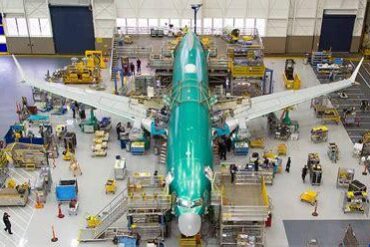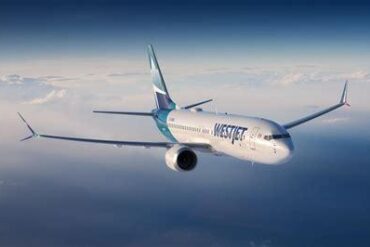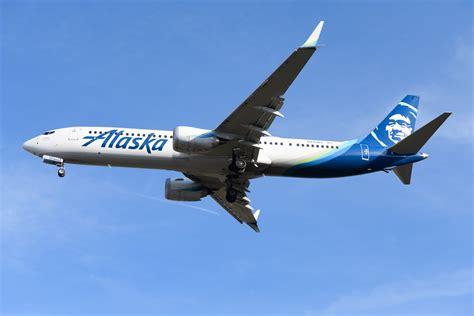
Alaska Airlines is entering a new era of long-haul operations, marking a pivotal shift in its network strategy with the launch of transatlantic flights operated by the Boeing 737 MAX 8. Beginning next month, the Seattle-based carrier will connect the U.S. West Coast to Europe using narrowbody aircraft—a move that challenges conventional long-haul norms and signals growing confidence in next-generation single-aisle capabilities.
A Bold Step: Seattle to Keflavik Takes Off
The inaugural route will link Seattle-Tacoma International Airport with Keflavik International Airport in Iceland, commencing on May 28. Operating daily through September 7, the seasonal service positions Alaska Airlines as the first oneworld alliance member to deploy narrowbody aircraft across the North Atlantic on a scheduled basis.
This launch comes just one month after Alaska begins its first-ever European service using the Boeing 787-9 Dreamliner, highlighting a carefully staged expansion into long-haul markets. While the Dreamliner represents traditional widebody comfort, the introduction of the 737 MAX 8 on transatlantic routes underscores a calculated bet on efficiency and evolving passenger expectations.
Inside the Boeing 737 MAX 8 Experience
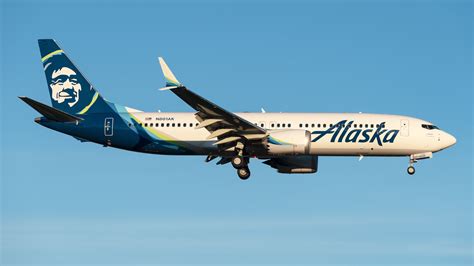
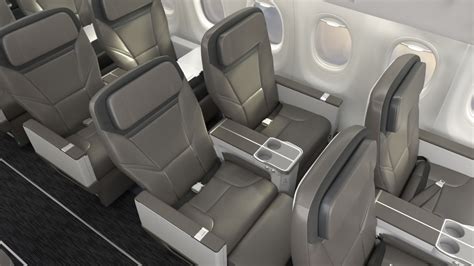
Passengers onboard the 161-seat Boeing 737 MAX 8 will encounter a cabin designed primarily for domestic operations, adapted for a nearly eight-hour international journey. The configuration includes:
- 16 First Class recliner seats (2-2 layout, 41-inch pitch)
- 30 Premium Class seats (3-3 layout, up to 38-inch pitch)
- 115 Main Cabin seats (standard 3-3 layout, 30-inch pitch)
Despite the long-haul nature of the route, the onboard product reflects a hybrid approach. While complimentary food and beverages are included across cabins, the absence of seat-back entertainment screens stands out. Instead, passengers rely on streaming content via personal devices, supported by onboard Wi-Fi.
This setup may appeal to tech-savvy travelers but could test the endurance of those accustomed to widebody amenities on transatlantic journeys. The distinction between “domestic first class” and true long-haul business class becomes particularly evident here, with Alaska’s premium offering aligning more closely with premium economy standards.
Pricing Strategy Raises Eyebrows
Early booking data reveals a striking pricing dynamic. During peak summer months such as July, round-trip First Class fares between Seattle and Keflavik are hovering around $7,500. This figure is notably double the price of Icelandair’s business-class equivalent, which itself offers a comparable seat pitch of 40 to 42 inches.
The pricing suggests Alaska Airlines is targeting a mix of loyal frequent flyers, oneworld alliance members, and premium travelers based in Seattle, rather than competing solely on cost. The airline’s strong regional brand presence may provide leverage, but whether passengers will accept premium pricing for a narrowbody experience remains a key question.
Head-to-Head Competition in Seattle-Iceland Market
Alaska’s entry into the Seattle–Keflavik route introduces direct competition with Icelandair for the first time since 2009. The Icelandic carrier has long dominated this market, and with Alaska’s arrival, travelers will now see up to four daily flights during peak season.
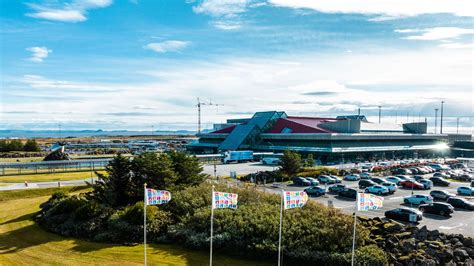
The local market itself is relatively modest, with approximately 47,000 round-trip passengers annually traveling solely between Seattle and Keflavik. However, the real opportunity lies in connecting traffic. Alaska Airlines is strategically positioned to funnel passengers from across its extensive West Coast network into this new transatlantic gateway.
Analysis indicates that around 30 U.S. cities could provide viable connections to Keflavik via Seattle, including major demand centers such as:
- Los Angeles
- San Francisco
- San Diego
- Salt Lake City
- Las Vegas
These feeder markets collectively generated an estimated 170,000 round-trip passengers to Keflavik last year, presenting a substantial growth opportunity.
The Longest Narrowbody Flight in Alaska’s History
At a distance of 3,147 nautical miles (5,828 kilometers), the Seattle–Keflavik route becomes Alaska Airlines’ longest narrowbody flight ever operated. This surpasses its previous record-holder, the New York JFK to Anchorage route, by approximately 7% in distance.
Flight time further emphasizes the operational challenge. The return leg from Keflavik to Seattle is scheduled at 7 hours and 55 minutes, making it the airline’s second-longest narrowbody flight by duration. Such extended block times push the limits of single-aisle aircraft deployment, particularly in terms of passenger comfort and operational resilience.
Strategic Implications for Alaska Airlines
This move reflects a broader industry trend toward long-range narrowbody operations, enabled by advancements in fuel efficiency and aircraft performance. For Alaska Airlines, the strategy offers several advantages:
- Lower operating costs compared to widebody aircraft
- Increased flexibility in serving thinner long-haul routes
- Ability to test new international markets with reduced risk
At the same time, the approach introduces challenges. Passenger perception of comfort, especially on flights approaching eight hours, will play a critical role in determining long-term success. The airline must balance cost efficiency with customer experience, particularly as competitors continue to deploy widebody aircraft on similar routes.
A Defining Moment for Transatlantic Travel
Alaska Airlines’ decision to launch Boeing 737 MAX transatlantic flights represents more than just a new route—it signals a shift in how airlines approach long-haul connectivity. By leveraging narrowbody aircraft for intercontinental travel, the carrier is redefining the boundaries of its network while testing the limits of passenger acceptance.
Whether this experiment becomes a blueprint for future expansion or a niche seasonal offering will depend on market response. What is certain, however, is that Alaska Airlines has firmly positioned itself at the forefront of innovation in transatlantic aviation, challenging expectations and reshaping the competitive landscape.