Orlando International Airport (MCO) has long been known as a magnet for leisure travel, drawing families, vacationers, and budget-savvy fliers alike. Its bustling terminals, Terminal A and Terminal B, serve as vital gateways not just for Florida-bound tourists but also for outbound travelers looking to reach distant corners of the United States and beyond. Among the major players carving out a sizable operational footprint at MCO is Frontier Airlines, a carrier that has harnessed the power of the ultra-low-cost model to connect Orlando to both familiar and unexpected destinations.
Operating more than 35 routes year-round from Orlando, Frontier’s presence is strategic, bold, and—when it comes to its longest routes—surprisingly ambitious. This article unpacks Frontier Airlines’ longest non-stop routes from Orlando, explaining how each fits into the airline’s cost-efficient, high-reach network while giving insights into the types of passengers these flights serve.
Frontier’s Business Model Anchored in Orlando’s Tourism Gravity
As an ultra-low-cost carrier (ULCC), Frontier Airlines thrives on point-to-point travel rather than hub-and-spoke networks. This model is especially effective at Orlando, where the sheer volume of leisure travelers allows Frontier to operate with minimal competition on certain niche routes. Many of the airline’s longest services from MCO are focused not just on importing tourists to Orlando but also on providing Floridians with affordable access to distant, high-interest destinations.
What sets Frontier apart at MCO is its dual focus: high-demand, high-traffic destinations like Los Angeles (LAX) and Denver (DEN)—where it can undercut legacy carriers on price—and unique, less frequently served leisure destinations such as Sint Maarten (SXM) and Portland, Maine (PWM), where competition is minimal and margins can be better controlled.
The Longest Frontier Airlines Routes From Orlando — Ranked by Distance
Frontier’s longest non-stop routes from Orlando stretch from coast to coast and even into the Caribbean. According to aviation analytics firm Cirium, here are the top seven longest routes currently in operation:
- San Francisco International Airport (SFO) – 2,445 miles
- Los Angeles International Airport (LAX) – 2,217 miles
- Harry Reid International Airport (LAS) – 2,039 miles
- Phoenix Sky Harbor International Airport (PHX) – 1,848 miles
- Denver International Airport (DEN) – 1,545 miles
- Princess Juliana International Airport (SXM) – 1,358 miles
- Portland International Jetport (PWM) – 1,214 miles
Each of these destinations represents a distinct market strategy. Some, like San Francisco and Los Angeles, are densely populated West Coast anchors where Frontier competes on fare price. Others, like Sint Maarten, target the leisure segment with infrequent, high-demand holiday routes.
Leisure, Competition, and Seasonal Demand Drive Route Diversity
Frontier’s service to places like Denver and Las Vegas tends to run multiple times daily, particularly during peak travel periods such as weekends and holidays. These routes serve as a bridge between Florida’s tourism economy and Frontier’s largest operational base in Denver (DEN), and the entertainment capital of Las Vegas.
Meanwhile, the inclusion of destinations like Sint Maarten—served only once weekly—reveals the airline’s flexibility and keen eye for underserved, vacation-centric markets. Though low in frequency, these flights provide an essential non-stop link for travelers who are planning their vacations around available air service rather than daily convenience.
This strategy allows Frontier to maintain fleet efficiency and route profitability without competing head-on with major airlines that dominate daily schedules in larger hubs.
Operational Dynamics: How Frontier Selects Aircraft for Long Routes
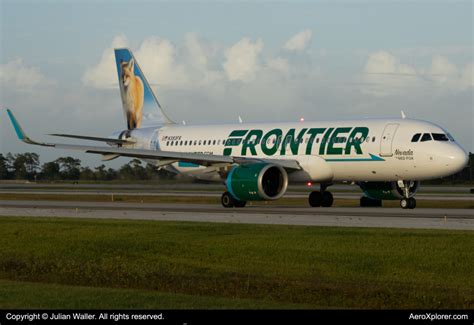
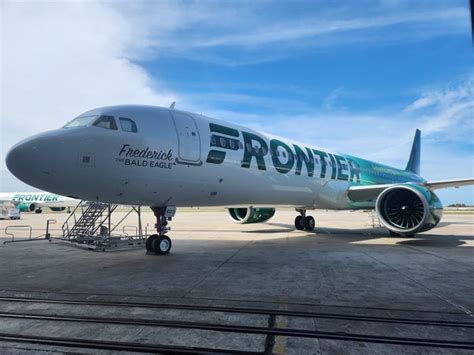
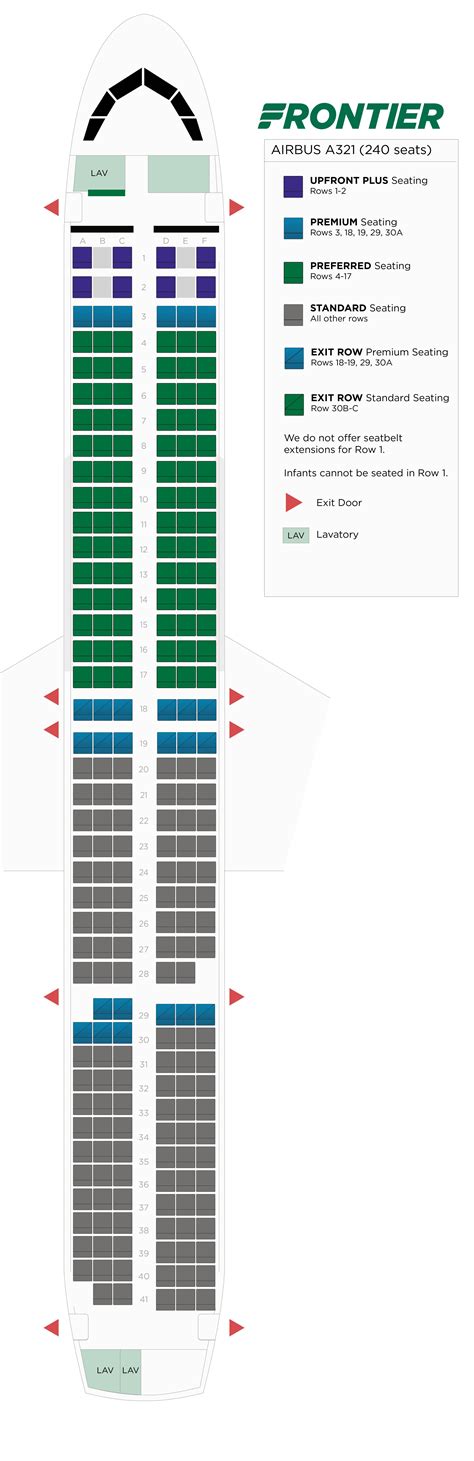
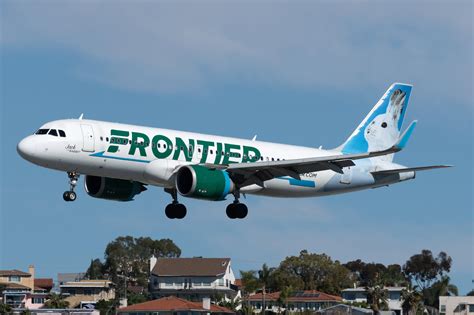
Frontier operates all of its Orlando routes using variants from the Airbus A320 family, allowing for greater consistency and cost savings in maintenance, pilot training, and fleet operations. Here’s a breakdown of the fleet used across its longest routes:
- Airbus A320-200 – 6 aircraft
- Airbus A320neo – 82 aircraft
- Airbus A321-200 – 21 aircraft
- Airbus A321neo – 53 aircraft
With 155 Airbus A321neo models on order, Frontier is making clear its intention to expand and modernize while sticking to its cost-effective narrow-body philosophy. The A321neo, in particular, offers extended range and fuel efficiency, making it the go-to choice for longer-haul routes such as SFO and LAX.
Geographic Reach: Coast-to-Coast, Plus the Caribbean
What’s compelling about this route list is the geographic spread. Frontier’s longest flights from MCO reach:
- The West Coast, with California destinations (SFO, LAX) that support both business and leisure segments.
- The Southwest, with cities like Phoenix and Las Vegas acting as key tourism and relocation destinations.
- The Mountain States, with Denver serving not only as a Frontier mega-base but also as a connector to other regions.
- The Caribbean, with Sint Maarten attracting cruise passengers, sunseekers, and international tourists.
- The Northeast, with Portland, Maine adding a seasonal, picturesque alternative to the usual sunbelt-heavy route map.
This multi-regional strategy ensures Frontier can diversify revenue streams while still appealing to its core customer base: cost-conscious, leisure-driven travelers.
Why Frequency Varies — And Why That’s Strategic
The wide range in frequency between destinations is not a weakness; it’s a calculated decision. On heavily trafficked routes like Denver and Las Vegas, flights can operate up to twice daily, maximizing aircraft utilization and passenger throughput.
Conversely, the once-weekly operation to Sint Maarten reflects a different intent: to serve a high-yield leisure market without the risk of overcapacity. These weekly flights can be planned around demand peaks, such as weekends or seasonal holidays, thereby protecting margins and maintaining high load factors.
Beyond Orlando — Connecting the Dots in Frontier’s National Strategy
While Frontier typically avoids traditional hub-and-spoke models, Orlando is an exception. It functions as a strategic connector within the Frontier system, especially for long-haul, low-frequency routes. Travelers from smaller markets served by Frontier can use MCO as a de facto hub for international and transcontinental trips.
For example, a passenger flying from Des Moines (DSM) to Sint Maarten (SXM) could leverage Orlando’s central role in the network, despite Frontier’s ULCC roots. This informal connecting network adds value without requiring the carrier to invest in hub infrastructure.
A Lean Yet Far-Reaching Operation
Frontier’s ability to operate long routes out of Orlando with a fleet of cost-efficient, single-aisle aircraft proves that length doesn’t always require complexity. With consistent fleet usage, tight cost controls, and focused route planning, the airline is able to deliver long-range, point-to-point connectivity while staying true to its low-fare identity.
The seven routes detailed here are a testament to what a modern ULCC can accomplish when it combines fleet discipline with market sensitivity. They also reflect how Orlando—already one of America’s top airports for passenger volume—continues to be a fertile launching pad for long-haul, non-premium travel.
Conclusion: Strategic Expansion, Not Just Distance
These longest Frontier Airlines routes from Orlando demonstrate more than just impressive mileage; they reveal a nuanced, data-driven strategy. Whether it’s flying to global tech hubs like San Francisco, iconic leisure cities like Las Vegas, or Caribbean escapes like Sint Maarten, Frontier has found a way to stretch its wings far without straining its business model.
By carefully balancing route frequency, aircraft deployment, and passenger demand, Frontier continues to push the boundaries of what’s possible in budget aviation—and Orlando remains central to that mission.