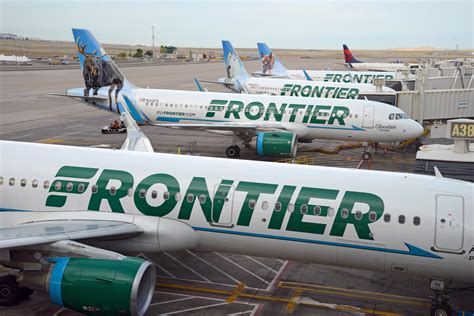
Frontier Airlines, once hailed as a cost-effective option for budget-conscious travelers, now finds itself embroiled in a storm of legal controversies that threaten to redefine its public image. Over the past two years, a series of class action lawsuits and regulatory actions have spotlighted alleged deceptive practices, misrepresentation of service terms, data security lapses, and mistreatment of customers. From hidden baggage fees to compromised personal data, these claims have placed Frontier under national scrutiny, not just from consumers, but also federal lawmakers and the U.S. Department of Transportation.
Baggage Fee Deception: Hidden Charges and Alleged Bait-and-Switch
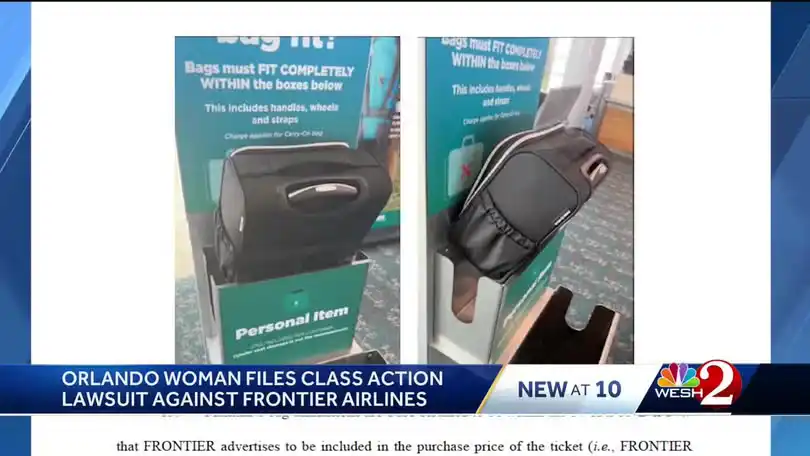
In July 2023, plaintiff Amira Hamad filed a class action lawsuit against Frontier Airlines in Florida federal court, citing deceptive baggage fee policies that she claims constitute a bait-and-switch scam. Another claimant, Sarah Jenkins, has been mentioned in similar filings, amplifying concerns over systemic misconduct. The lawsuit alleges Frontier advertises ultra-low fares but later springs exorbitant baggage fees on travelers — as high as $99 per carry-on item — at the gate.
This practice, according to the complaint, misleads passengers by applying arbitrary baggage sizer requirements, even for bags that conform to standard airline dimensions. The financial implications are massive: baggage fees reportedly account for over 40% of the airline’s revenue, making them a strategic profit engine rather than incidental surcharges. The legal action seeks not only full refunds and compensatory damages, but also $100 million in punitive damages to deter further consumer abuse.
In September 2025, U.S. Senator Josh Hawley publicly condemned Frontier, accusing the company of pocketing at least $40 million from these dubious practices. He urged Frontier to offer full reimbursements to affected travelers and called for federal oversight, signaling that political pressure may soon match legal scrutiny.
GoWild! Pass Controversy: Unlimited Flights, Limited Trust
In a bold marketing move, Frontier introduced the GoWild! All You Can Fly Pass — promising unlimited travel for a flat annual fee. However, what appeared as a traveler’s dream quickly turned into a logistical and legal nightmare. A class action lawsuit filed in August 2023 alleges that Frontier falsely advertised the availability of flights under this program. Despite the “unlimited” moniker, many passholders encountered severely restricted availability, blackout dates, and booking issues.
Allegations in the suit include negligence, misrepresentation, breach of warranty, and unjust enrichment, suggesting that the company knowingly lured customers into purchasing a product that could not deliver on its advertised promises. Frontier countered with a motion to compel arbitration, which was granted in June 2024 by a Colorado federal court. As a result, class claims were dismissed and complainants were redirected to individual arbitration, a process that often discourages widespread redress due to legal costs and procedural complexity.
Despite the ruling, complaints continue. Many travelers report ongoing issues with GoWild! Pass renewals, inability to access seats, and poor customer support. In 2025, frustrated users have taken to social media platforms and even Change.org petitions, calling the program a “scam” and urging legal authorities to revive class-wide proceedings.
Refund Voucher Lawsuit: Compensation or Corporate Sleight of Hand?
A newer legal front has opened around Frontier’s handling of flight cancellations and delays. Plaintiffs in this emerging class action argue that the company routinely issues “worthless” refund vouchers that impose unreasonable restrictions or expire quickly — effectively denying meaningful compensation for service failures. Given the airline’s reputation for frequent delays and crew shortages, this practice could affect hundreds of thousands of travelers.
These vouchers are often framed as goodwill gestures or flexible credits, but in practice, passengers report they are difficult to redeem, come with blackout dates, or are denied altogether during booking. The class action claims that Frontier is intentionally misusing vouchers to circumvent federal refund obligations, violating consumer protection statutes in the process. As of late 2025, the case remains active, with no settlement reported.
ITSA Data Breach Fallout: Personal Data at Risk
Beyond service-related disputes, Frontier faces a mounting privacy crisis due to a March 2025 data breach involving third-party vendor Integrity Testing & Safety Administrators (ITSA). This incident compromised sensitive personal data of both current and former Frontier employees and applicants — including Social Security numbers, driver’s license details, medical information, and financial records.

The breach notification process began in August 2025, prompting class action investigations from multiple legal firms. Unlike previous consumer cases, this action focuses on employee rights, data protection responsibilities, and third-party liability. While the total number of affected individuals remains undisclosed, the breach has triggered state-level investigations, calls for stricter vendor vetting, and demands for comprehensive data security audits at Frontier.
This case is distinct from a 2024 breach at Frontier Communications — a telecom company — highlighting the risks of brand confusion in the digital age. Victims of the ITSA incident are being directed to join class claims via legal hubs like ClaimDepot.com.
DOT Regulatory Action: A Consent Order with Long-Term Implications
In January 2025, the U.S. Department of Transportation (DOT) issued a formal consent order against Frontier, levying a $650,000 fine for holding out chronically delayed flights as operational. These deceptive listings misled customers into booking seats on routes with well-documented punctuality issues — such as St. Thomas to Orlando and Atlanta to Phoenix.
Frontier agreed to cease such practices and comply with 14 CFR 399.81 and 49 U.S.C. § 41712, statutes designed to prevent deceptive conduct in commercial aviation. The fine will be paid in installments, but the reputational damage lingers. The action demonstrates the DOT’s increasing willingness to penalize misleading marketing, especially when it results in widespread consumer disruption.
Social Media Outrage and Grassroots Organizing
Parallel to courtroom developments, Frontier faces a digital uprising. On platforms like X (formerly Twitter), Facebook, and Reddit, thousands of passengers have voiced outrage over luggage mishandling, last-minute gate changes, and dismissive customer service. Videos of gate agents mocking stranded passengers have gone viral, resulting in terminations and a public relations backlash.
A particularly active handle, @frontier_fraud, has become a hub for organizing legal action, compiling complaint data, and connecting affected travelers with attorneys. The account reportedly plans to coordinate a temporary restraining order to halt Frontier’s disputed practices until litigation is resolved.
The increasing role of social media in shaping litigation narratives cannot be overstated. As passengers document their experiences in real-time, they generate evidence, momentum, and community support that feed directly into class certification and damages calculations.
Conclusion: A Reckoning in Progress
The multiplicity and diversity of legal actions against Frontier Airlines suggest a pattern of systemic consumer mistreatment, not isolated errors or administrative oversights. Whether through unjustified baggage fees, misleading subscription passes, worthless refund vouchers, or data security failures, Frontier has become a symbol of profit-driven policies at odds with passenger rights.
While some lawsuits have shifted to arbitration or await settlement, their cumulative effect is powerful. Combined with federal investigations, grassroots movements, and political pressure, these actions are pushing the airline toward a critical inflection point. For millions of current and future passengers, the stakes are not just about money — they’re about trust, dignity, and fair treatment in the sky.
Travelers affected by any of these issues are encouraged to file complaints with the U.S. Department of Transportation, consult a consumer protection attorney, and monitor platforms like ClaimDepot.com for inclusion in pending class actions. As the legal landscape continues to unfold, one thing is clear: Frontier’s accountability journey is far from over.