In the world of flight delay compensation, third-party services like AirHelp promise stress-free claims in exchange for a cut of your payout. But what happens when the service doesn’t deliver, closes your case, and later returns demanding a fee—after you resolved it yourself? This is precisely the situation one traveler shared on Reddit’s r/Flights, and it’s sparking intense discussions about passenger rights, contractual obligations, and the ethics of automated claims services.
The Case at Hand: A Timeline of Frustration
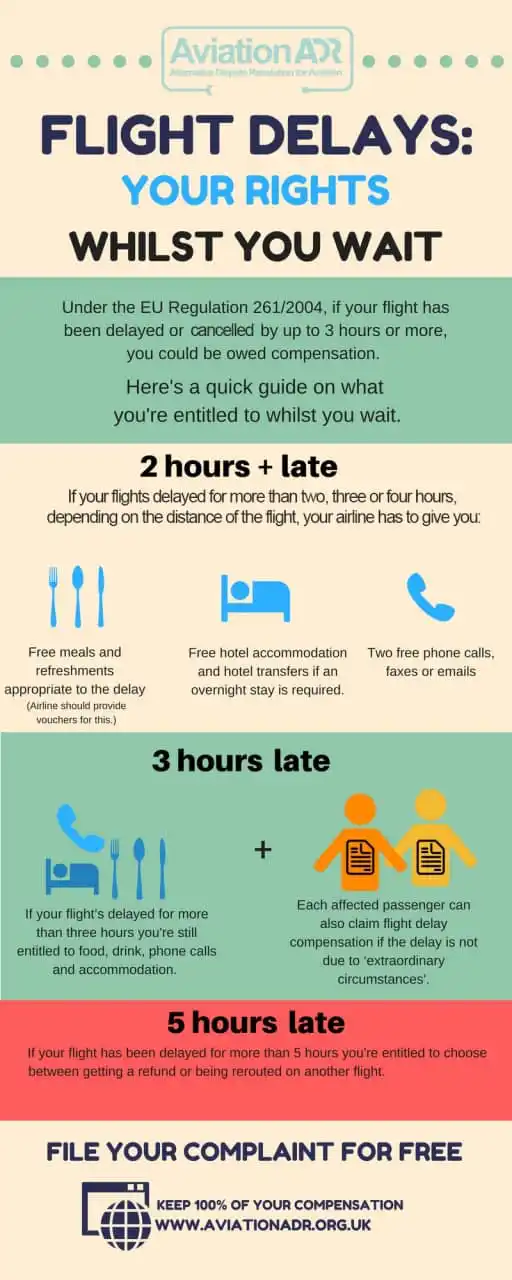
The user initiated a claim with AirHelp after a serious delay on a KLM flight. Initially, AirHelp acknowledged the delay and promised to pursue compensation under EU Regulation EC261, a framework that grants passengers up to €600 for long delays or cancellations under specific conditions. However, as weeks turned into months, AirHelp reported encountering resistance from KLM and made no apparent progress.
Frustrated, the user took initiative. With the help of a friend, they drafted a strongly worded letter to KLM. This direct action prompted a swift response from the airline—KLM acknowledged the letter and paid the compensation.
Months later, AirHelp closed the original claim stating they were unable to move forward. But the story didn’t end there. Out of the blue, the user received a letter from AirHelp demanding a fee, claiming they had become aware that compensation was received.
Can They Really Do That? Understanding the Power of Attorney Trap
When signing up for services like AirHelp, most users unknowingly sign a Power of Attorney (PoA)—a legal document that transfers the right to pursue the claim to AirHelp. This PoA, often glossed over during onboarding, contains clauses that can entangle passengers, even if the service provides no actual results.
A key clause in many of these agreements includes:
- Exclusive Rights: The moment the agreement is signed, AirHelp becomes the sole owner of the right to compensation.
- Non-Interference Clause: The passenger agrees not to contact the airline directly.
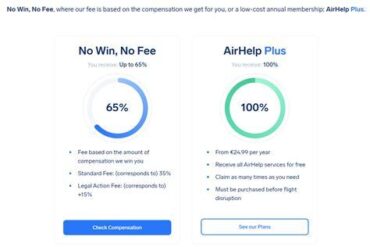
- Success-Based Fee Structure: If compensation is received—regardless of how—AirHelp may claim their cut.
So even though AirHelp failed to secure compensation and explicitly closed the case, they may still claim a right to fees if the passenger received the compensation covered by the original claim.
Legal Status: AirHelp is Not What You Think
What many passengers don’t realize is that AirHelp is not a consumer rights watchdog, nor a legal firm. It is a debt collection company registered under jurisdictions that allow them to operate within a grey legal zone.
Their business model revolves around automation:
- Bulk submission of claims
- Legal outsourcing to partner firms when required
- Mass communication with airlines, with little personalization
If the airline doesn’t cooperate or challenges the claim, these services often drop the case quietly, as they are optimized for volume, not case-by-case litigation.
Why Did AirHelp Come Back After Closing the Case?
One likely reason is that AirHelp uses data scraping and airline communication networks to track payouts. If KLM disbursed the compensation and referenced the same case ID or name, AirHelp’s systems likely flagged it.
This triggered a post-closure action: demanding fees even though their process had failed. Legally, if their contract covers this scenario, they might have a case. Ethically, however, it’s murky at best.
What Are Your Real Options?
Facing a demand like this leaves few pleasant choices:
1. Pay the Fee
If the contract was signed and contains such clauses, you may be legally obligated. Ignoring the demand could result in debt collection notices or legal action—especially if you live in a country where AirHelp has enforcement capabilities.
2. Challenge the Fee
Argue that AirHelp:
- Failed to fulfill their duties
- Breached the agreement by closing the case
- Provided no material value to your compensation outcome
Support this argument with:
- Timeline emails showing case closure
- The letter you sent to KLM
- KLM’s response confirming direct payment
Though this argument is morally sound, it’s not guaranteed to hold up legally due to the fine print in the PoA.
3. Seek Legal Representation
Hiring a consumer rights attorney might be an option, particularly if the compensation is substantial (e.g., multiple passengers or long-haul flight delays). However, the legal costs can easily outweigh the benefit.
Community Advice: You’re Not Alone
Reddit’s r/Flights is filled with similar stories:
- bonovox88 reported waiting nearly a year before pulling their own claim out of AirHelp.
- Crazydre95 confirmed that receiving any compensation—even independently—can trigger a fee claim.
- Guitar-Gangster, a user with direct experience in the industry, strongly discouraged using these services.
His warning was stark: signing the PoA transfers your right to compensation, and if you receive it from any other source, AirHelp can legally pursue you.
Should You Ever Use AirHelp or Similar Services?
There are scenarios where such services are helpful:
- You are too busy or unfamiliar with regulations
- You tried and failed with airline direct communication
- The compensation route involves complex documentation or international airlines
However, these services should be a last resort, not your first step.
Better Alternatives
If you’re capable of drafting your own complaint, or using free resources such as:
- FlightClaimEU
- AirAdvisor
- Official airline portals
- EC261 templates
You’ll likely have a faster, more ethical route to your compensation.
Avoiding the Trap: How to Safeguard Your Rights
To avoid future issues:
- Read the terms of any third-party claim service thoroughly.
- Avoid signing PoA unless absolutely necessary.
- Document all communication with the airline.
- Initiate your own claim first, before considering a claim firm.
If the service is necessary, consider firms with transparent success metrics, human customer support, and case-by-case attention, not just form submissions.
Conclusion: When Help Isn’t Help at All
The experience described by the user on r/Flights is not an isolated incident. It highlights the troubling business model of AirHelp and similar services that lean heavily on legally binding contracts, while offering minimal follow-through. Their automation, scale, and terms can create an imbalance of power, especially when passengers don’t fully understand what they’re signing away.
In a landscape where consumers must be increasingly vigilant, the best defense is knowledge. Understand your rights under EC261, know how to communicate effectively with airlines, and above all, be cautious of services that promise help but may only help themselves.