In recent weeks, a troubling pattern has emerged involving Volaris, Mexico’s ultra-low-cost airline, as multiple passengers report sudden flight date changes without prior notification. These alterations—some occurring days earlier or later than originally scheduled—have upended travel plans, cost passengers thousands of dollars in rebooking and lodging, and triggered regulatory complaints across the board.
The heart of this issue revolves around silent schedule modifications. Travelers who had paid in full and made time-sensitive plans suddenly found themselves blindsided by new flight dates. These were not minor changes in flight time; entire departure or return dates shifted, often without even an email alert. For some, the only indication of the change came from third-party alert systems like the CBX cross-border app.

The FuseFuseboy Incident: A Case Study in Broken Communication
One of the most discussed cases comes from a passenger known as FuseFuseboy, who booked a round trip from Tijuana (TIJ) to Mazatlán (MZT). He discovered that his departure flight Y4 592 was shifted from April 6 to April 4, while the return Y4 519 moved from April 10 to April 11. He only learned about the changes via the CBX notification service—not from Volaris itself.
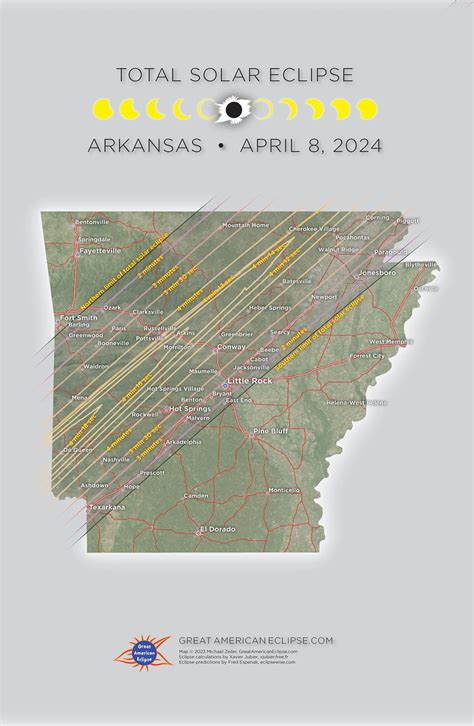
The timing was particularly disruptive. His trip was carefully arranged around the April 8 solar eclipse, a rare astronomical event drawing thousands to coastal Mexico. With inflexible lodging and event commitments, even a minor schedule shift risked derailing the entire journey.
Despite multiple attempts, he could not reach Volaris customer service by phone or app. After deep digging, he discovered that Volaris does cover rerouting in such situations—but only if the changes result from service cuts or limited schedules, as outlined in their buried FAQ section. FuseFuseboy filed a complaint with the U.S. Department of Transportation (DOT), seeking a refund after realizing that alternative flights—such as direct LAX-MZT routes—were now 10 times the original cost.
More Voices, Same Story: A Pattern of Neglect
His experience is not isolated. A wave of similar accounts has surfaced:
- Na-589 booked travel around the same dates, only to have the outbound flight changed from April 5 to April 6, and the return moved from April 10 to April 13. After filing a DOT complaint, they secured a refund and rebooked through Alaska Airlines, paying significantly more. They speculated the cuts might relate to engine inspections or fleet maintenance.
- BuffaloFace21 had their TIJ-MZT itinerary disrupted and was initially rerouted through Culiacán with a car rental. Later, Volaris offered a direct option—but only at double the original $225 fare, effectively coercing the passenger to pay $450 for the same route.

- OogaliBoogali1 encountered a delayed return by two days. After a long back-and-forth on Facebook Messenger, Volaris offered a flight one day earlier with a 25% travel credit, which the passenger reluctantly accepted.
- AioliClassic8417 noted that the Volaris app and website displayed conflicting flight dates for a Guadalajara to Portland itinerary. Numerous schedule changes went unnotified. Volaris phone support offered no assistance, and the passenger faced a potential $3,000 loss in bookings.
- HistoricalWasabi1587 recounted early gate changes and last-minute boarding time modifications, adding that passengers were ushered through unconventional boarding procedures without notice or clarity.
These stories underscore a recurring theme: passenger awareness came only through vigilance or third-party tools, not the airline’s own communication channels.
Why Was This Happening? The Eclipse Rush Theory
Several of these incidents occurred in the week surrounding the April 8 solar eclipse, an event that turned Mazatlán and other locations into travel hotspots. Commenters such as guernica-shah suspected that the sudden change in demand prompted Volaris to alter its schedule—either to prioritize aircraft for high-volume eclipse routes or consolidate lightly booked flights to cut costs.
While demand surges are common during events, unilateral schedule changes without customer acknowledgment cross the line from strategic optimization to negligence. Especially when no compensation is proactively offered, and rebooking requires passengers to chase down their rights.
Regulatory Blind Spots: Where Is the Oversight?
The DOT complaint process is proving to be a lifeline for affected passengers. However, the burden still falls on travelers to escalate the matter themselves. There’s no industry-wide mandate forcing non-U.S. carriers like Volaris to adhere to strict U.S. notification standards, even when operating flights in and out of American cities.
Volaris, for its part, has not issued any public statement addressing the volume of complaints. Its terms and conditions include vague language about “possible schedule adjustments” but fail to define reasonable timelines or notification procedures. Without concrete passenger rights enforcement, the airline operates in a gray area of accountability.
Even for savvy travelers, it’s difficult to preempt these changes. Most passengers discover the new itinerary days before departure, long after hotels, events, and transfers have been booked. For non-refundable arrangements, the cost is staggering.
The Customer Service Collapse: Silence as Strategy?
The communication blackout appears to be more than just operational overload. Multiple passengers described hours-long hold times, automated systems that lead nowhere, and chatbots that misdirect inquiries. In many cases, even after reaching a live representative, customers were told there was “nothing that could be done.”
This has led to speculation that Volaris may be using system-induced rerouting as a cost-saving tool, banking on the likelihood that many customers will absorb the cost or accept limited compensation rather than file regulatory grievances.
How Travelers Can Protect Themselves
As this pattern becomes more widely documented, travelers are urging caution when booking with Volaris, especially for time-sensitive trips or events. Here are some key strategies that have emerged:
- Monitor flights weekly, especially 10–14 days before departure.
- Set up alerts using third-party services like CBX or FlightAware.
- Take screenshots of all booking confirmations and flight itineraries.
- Consider refundable fares on alternate airlines when travel flexibility is limited.
- Report incidents to the DOT to build an auditable pattern of abuse.
While low-cost carriers offer undeniable savings, the hidden costs of disrupted plans, last-minute hotel bookings, or new tickets at inflated prices can easily cancel out the initial deal.
Conclusion: A Wake-Up Call for Volaris and Its Passengers
The growing chorus of passenger complaints suggests that Volaris’s flight change practices are not isolated mishaps, but a systemic issue. As more travelers step forward and regulatory bodies begin to take note, the airline will likely face increased scrutiny—both from consumers and oversight agencies.
Until then, passengers must remain vigilant. In the absence of proactive communication, community forums, DOT advocacy, and independent alerts remain the best tools travelers have to protect themselves. Volaris may continue to operate under minimal accountability, but its reputation is being rewritten by those it left stranded.