The long-simmering tension between Airbus and Pratt & Whitney is now approaching a decisive breaking point. What began as a technical reliability issue tied to next-generation engines has escalated into a high-stakes industrial dispute—one that now threatens to reshape aircraft production timelines, airline fleet strategies, and the broader aerospace supply chain.
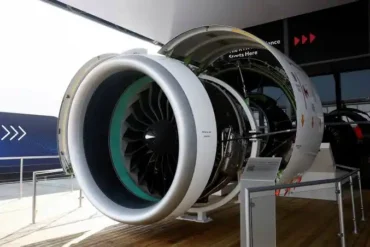
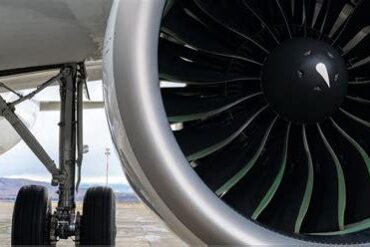
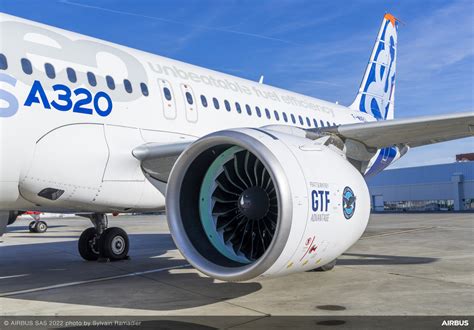
At the heart of the conflict lies the troubled rollout of Pratt & Whitney’s Geared Turbofan (GTF) engines, which power a significant portion of Airbus’ best-selling narrowbody jets. Delays in engine deliveries, combined with ongoing maintenance issues, have created a cascading disruption that extends far beyond engineering workshops. Airbus is no longer treating the situation as a supplier hiccup—it is framing it as a contractual failure with financial consequences.
For Airbus, the stakes could not be higher. The A320neo family represents the backbone of its commercial success, and any sustained disruption directly impacts revenue, market positioning, and long-term growth targets. As frustrations mount, legal action is no longer a distant possibility but an increasingly likely outcome.
Airbus Signals a Strategic Shift Toward Confrontation
Airbus’ posture has shifted noticeably in recent months, moving from cautious diplomacy to open frustration. Senior leadership has made it clear that delayed engine deliveries are not isolated incidents but part of a persistent pattern undermining production commitments.
Executives have publicly acknowledged that engine supply shortfalls are arriving “very late” and in quantities far below agreed levels. This shortfall is not merely inconvenient—it is materially affecting Airbus’ ability to deliver aircraft on schedule. With contractual obligations to airlines and leasing companies, every delayed engine translates into delayed revenue and strained customer relationships.
The tone from Airbus leadership reflects a company that feels cornered. Rather than absorbing the impact quietly, Airbus is now signaling that it expects accountability. The move toward seeking damages is not just about compensation; it is about resetting expectations in a supplier relationship that has grown increasingly fragile.
A320neo Family Production Faces Growing Pressure
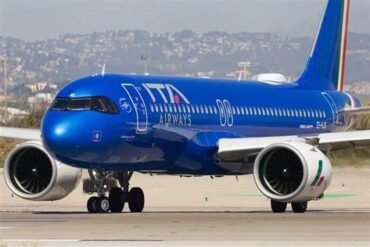
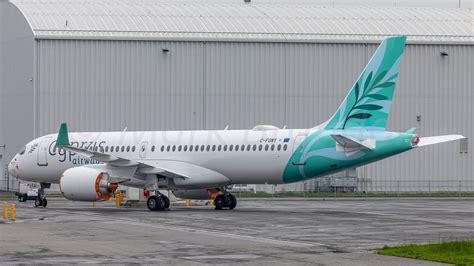
The disruption is particularly severe because it targets Airbus’ most critical product line. The Airbus A320neo and its larger sibling, the Airbus A321neo, dominate global short- and medium-haul markets. Demand for these aircraft remains exceptionally strong, with thousands of orders stretching years into the future.
However, demand alone does not generate revenue—deliveries do. Airbus had ambitious plans to ramp up production, aiming to reach monthly output levels that would solidify its dominance in the narrowbody segment. Those plans are now under strain.
The company has already invested heavily in expanding its manufacturing footprint. Facilities in Mobile, Alabama and Tianjin, China were upgraded to support higher production volumes, reflecting Airbus’ confidence in sustained market demand. Yet these investments depend on a synchronized supply chain—one that is currently out of alignment.
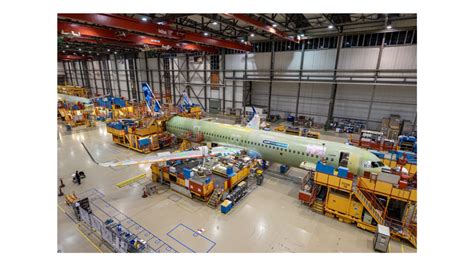
The inability to secure a steady flow of engines disrupts the entire production ecosystem. Aircraft without engines cannot be delivered, and incomplete jets accumulate in storage, tying up capital and space while delaying customer handovers.
Revised Delivery Targets Reflect Deepening Challenges
Airbus’ revised delivery outlook underscores the severity of the situation. The company has set a target of approximately 870 aircraft deliveries for 2026, a figure that falls short of earlier expectations exceeding 900 units. While still robust, the adjustment signals a tangible impact from supply chain constraints.
More concerning is the effect on long-term production ramp-up. Airbus had intended to reach a monthly production rate of 75 A320-family aircraft within the near term. That milestone has now been pushed further into the future, with projections indicating stabilization only by 2027.
This delay is not merely a scheduling issue—it represents a structural shift in Airbus’ growth trajectory. Each postponed increase in production capacity limits the company’s ability to capitalize on strong market demand, potentially opening space for competitors to gain ground.
The Geared Turbofan Crisis Extends Beyond Manufacturing
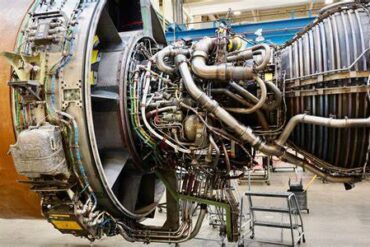
The underlying issue stems from the ongoing challenges associated with Pratt & Whitney’s GTF engine program. Initially celebrated for its fuel efficiency and reduced emissions, the engine has instead become a focal point of operational disruption.
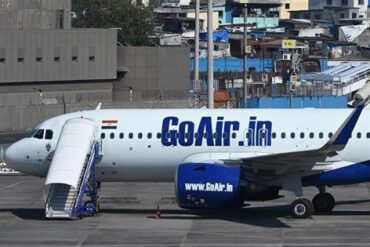
Airlines operating GTF-powered aircraft have faced widespread groundings due to maintenance requirements and reliability concerns. By late 2025, hundreds of aircraft equipped with these engines were either grounded or operating under restrictions, creating significant capacity shortages for carriers.
This situation has created a complex conflict of priorities. Airlines urgently need engines and spare parts to return grounded aircraft to service, while Airbus requires new engines to sustain production. Both demands are valid, yet the supply chain cannot fully satisfy either.
A Three-Way Struggle Over Scarce Resources
The dispute between Airbus and Pratt & Whitney is, in reality, part of a broader three-way struggle involving manufacturers, suppliers, and airlines. Each stakeholder is competing for access to limited engine resources, and each has compelling reasons for its position.
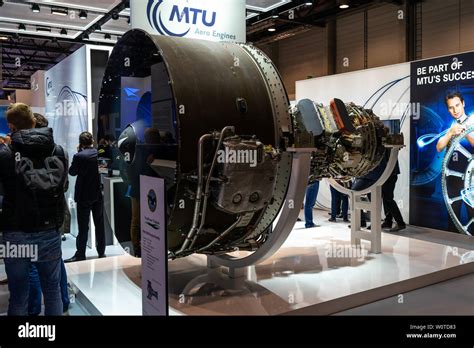
Airbus’ priority is clear: maintain production flow and meet delivery commitments. Airlines, on the other hand, are focused on restoring operational capacity by repairing existing aircraft. Pratt & Whitney is caught between these competing demands, attempting to balance production output with maintenance support.
This dynamic transforms a bilateral dispute into a systemic industry challenge. The allocation of engines becomes a zero-sum game, where prioritizing one need inevitably delays another. The result is a prolonged period of instability that affects every layer of the aviation ecosystem.
Legal Action as a Strategic Pressure Tool
Airbus’ move toward legal action should be viewed not only as a reaction but as a strategic maneuver. By escalating the dispute, Airbus increases pressure on Pratt & Whitney to resolve delivery issues more aggressively.
Arbitration or litigation would formalize the conflict, potentially leading to financial penalties or enforced performance commitments. However, such outcomes come with risks. Prolonged legal battles could further strain the relationship between the two companies, complicating future collaboration.
Nevertheless, Airbus appears willing to accept those risks. The decision reflects a calculation that the cost of inaction—continued delays and lost revenue—is greater than the potential fallout from legal escalation.
Implications for the Global Aviation Industry
The ramifications of this dispute extend far beyond the companies directly involved. Aircraft production delays ripple through the entire aviation value chain, affecting airlines, leasing firms, maintenance providers, and passengers.
Airlines may face prolonged capacity constraints, leading to higher fares and reduced route availability. Leasing companies could experience delays in asset deployment, impacting financial returns. Even passengers may feel the effects through fewer flight options and increased ticket prices.
At a broader level, the situation highlights the fragility of modern aerospace supply chains. Highly specialized components, limited supplier bases, and tightly integrated production processes create vulnerabilities that can quickly escalate into global disruptions.
From Engine Crisis to Production Crisis
What began as a technical issue within a single engine program has evolved into a full-scale production crisis. The challenges facing Pratt & Whitney’s GTF engines have not only grounded aircraft but also slowed the output of one of the world’s most important commercial jet families.
For Airbus, the path forward will depend on whether the dispute can be resolved quickly—or whether it will escalate into a prolonged legal and operational battle. For the industry as a whole, the episode serves as a stark reminder that even the most advanced aviation technologies depend on the reliability of every link in the supply chain.
The next phase of this conflict will determine whether cooperation can be restored or whether confrontation becomes the new norm in aerospace manufacturing. Either way, the consequences will shape the trajectory of global aviation for years to come.