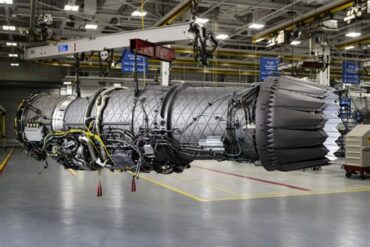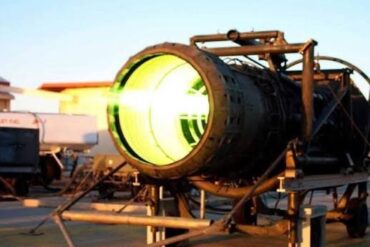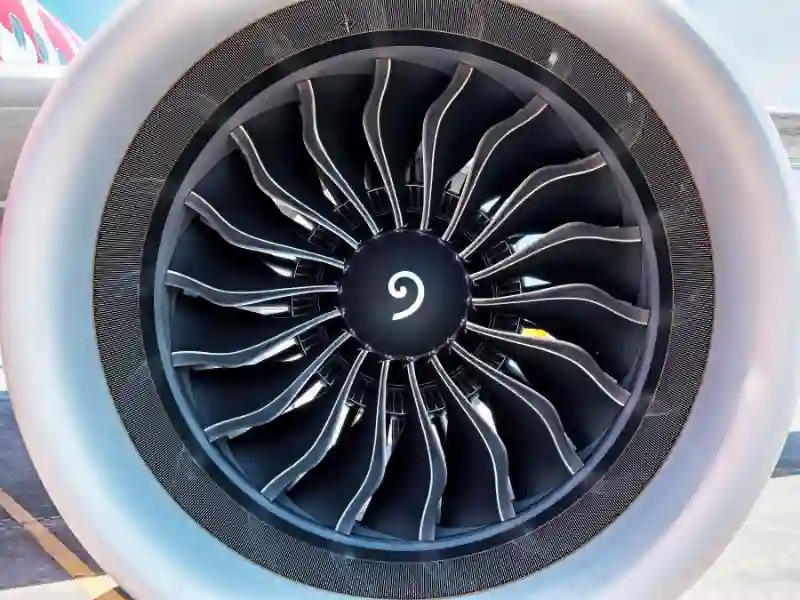
The global aviation industry has long been defined by the rivalry between leading turbofan engines that power the world’s most successful narrowbody aircraft. Two of the most dominant players in this highly competitive segment are the Pratt & Whitney Geared Turbofan (GTF) and the CFM LEAP series. Both engines are designed to maximize fuel efficiency, reduce emissions, and lower noise, yet each takes a different technological path to achieve these results. At the heart of the debate lies one central question: Pratt & Whitney GTF vs CFM LEAP – which engines are more powerful?
The Rise of the CFM LEAP Engine
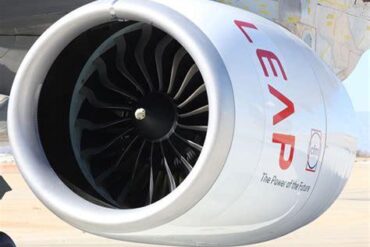
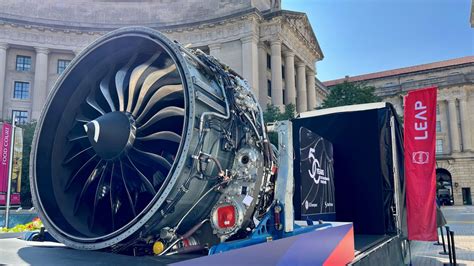
The CFM LEAP engine emerged from the collaboration between General Electric and Safran Aircraft Engines, combining decades of experience in propulsion systems. Development began in 2008 with the goal of providing airlines with an advanced replacement for earlier CFM56 engines that had powered generations of Boeing and Airbus aircraft.
By 2013, the first CFM LEAP test run took place, and in 2017, the engine entered commercial service on the Boeing 737 MAX, soon followed by the Airbus A320neo. The LEAP family includes three main variants:
- LEAP-1A: Airbus A320neo family
- LEAP-1B: Boeing 737 MAX
- LEAP-1C: COMAC C919
The LEAP engine introduced groundbreaking ceramic matrix composites, additive manufacturing, and advanced aerodynamics to improve durability and fuel efficiency. It delivers 15–20% lower fuel burn compared to its predecessors, while reducing noise and carbon emissions.
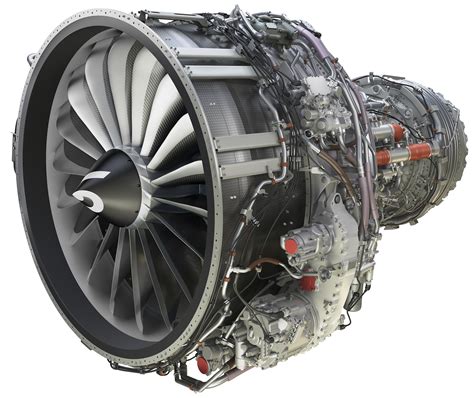
Although its reputation was initially overshadowed by the 737 MAX crashes, which involved software rather than engine flaws, the LEAP quickly established itself as a reliable and efficient powerplant. Today, carriers such as Southwest Airlines, American Airlines, and China Southern Airlines rely heavily on LEAP-powered fleets.
The Pratt & Whitney GTF Revolution
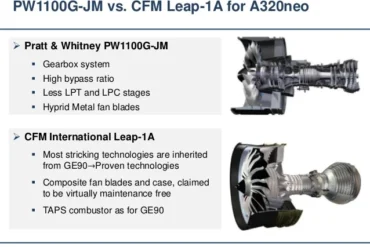
The Pratt & Whitney GTF (PW1000G series) marked a radical departure from conventional turbofan design. First conceptualized in the early 2000s, it introduced a geared fan system, a technological leap that allowed the fan and turbine to rotate at different optimal speeds. This gearbox innovation enabled a higher bypass ratio of 13:1, compared to the LEAP’s 11:1, resulting in significant improvements in both efficiency and noise reduction.
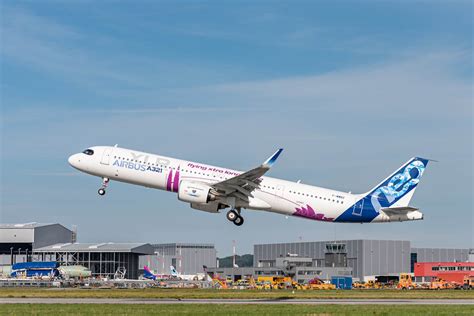
The GTF entered service in 2016 with Lufthansa operating the Airbus A320neo. Beyond the A320neo, the GTF powers the Embraer E2 series (PW1900G) and the Mitsubishi SpaceJet (although the latter program has been suspended).
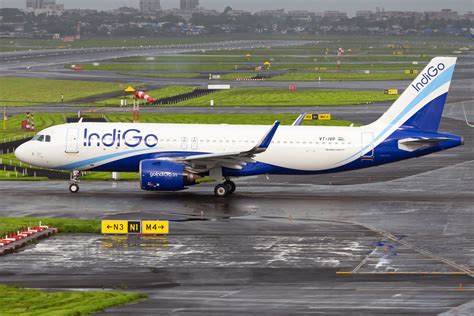
Pratt & Whitney marketed the engine as a “game-changer,” offering up to 20% better fuel efficiency compared to older models. However, the GTF’s early years were marred by gearbox durability issues, compressor stalls, and blade wear, which affected reliability and strained airline operations. Notably, Indian low-cost giant IndiGo suffered major disruptions due to premature failures, forcing Pratt & Whitney to accelerate design fixes and improve maintenance support.
Despite these challenges, the GTF has matured into a competitive product, now operated by leading carriers such as IndiGo, Lufthansa, Korean Air, and Delta Air Lines.
Fuel Efficiency and Noise Reduction
Fuel consumption is the single largest cost driver for airlines, making engine efficiency a decisive factor. Both the CFM LEAP and Pratt & Whitney GTF engines promise substantial reductions compared to older engines, but each approaches the challenge differently.
- CFM LEAP: Utilizes advanced lightweight materials, 3D-printed fuel nozzles, and optimized aerodynamics to achieve 15–20% lower fuel burn.
- Pratt & Whitney GTF: Employs its geared fan technology and higher bypass ratio to deliver slightly higher fuel savings in the 16–20% range.
Noise reduction has also been a critical focus. The CFM LEAP uses nacelle chevrons to minimize noise, while the GTF’s geared design allows slower fan speeds, producing a noticeably quieter acoustic profile, especially during takeoff and landing.
Reliability Challenges and Improvements
While the CFM LEAP has generally enjoyed strong reliability since entry into service, the Pratt & Whitney GTF faced significant operational teething issues. Problems such as premature gearbox wear, overheating, and blade degradation caused flight delays, groundings, and higher maintenance costs for airlines.
IndiGo alone had to ground dozens of aircraft at one point, putting pressure on Pratt & Whitney to accelerate fixes. Over time, design improvements, spare part availability, and enhanced quality control have stabilized the GTF’s performance. Still, airline confidence was initially shaken, and this early struggle gave CFM LEAP an edge in perception of reliability.
Largest Operators and Market Reach
The CFM LEAP has achieved dominant market penetration, primarily because of its exclusive position on the Boeing 737 MAX and broad adoption on the Airbus A320neo.
- Southwest Airlines: Over 270 737 MAX 8s powered by LEAP-1B engines.
- American Airlines, China Southern, and China Eastern: Large LEAP-powered fleets.
- COMAC C919: The LEAP-1C is the exclusive engine, already entering service in China with over 1,000 orders.
The Pratt & Whitney GTF has been most successful on the Airbus A320neo family, with IndiGo as the largest operator, boasting over 300 aircraft in service. Other significant operators include Lufthansa, Korean Air, Porter Airlines, and Delta Air Lines.

Power Comparison: Thrust Performance
The question of which engine is more powerful can be answered by comparing thrust ratings across the variants.
| Engine | Thrust (lbfs) | Aircraft |
|---|---|---|
| CFM LEAP-1A | Up to 35,000 | Airbus A320neo |
| CFM LEAP-1B | Up to 28,000 | Boeing 737 MAX |
| CFM LEAP-1C | Up to 30,000 | COMAC C919 |
| Pratt & Whitney PW1000G | Up to 33,000 | Airbus A320neo |
| Pratt & Whitney PW1900G | Up to 23,000 | Embraer E2 |
From this data, the CFM LEAP-1A stands out as the most powerful, capable of producing up to 35,000 pounds of thrust, surpassing the Pratt & Whitney PW1000G’s 33,000 pounds. However, thrust power alone is not the only measure of performance—fuel efficiency, reliability, and noise are equally crucial for airlines when choosing an engine.
Industry Outlook
The competition between Pratt & Whitney GTF vs CFM LEAP reflects two different philosophies in turbofan engineering:
- CFM LEAP: Incremental but proven advancements in materials and manufacturing, emphasizing reliability and scalability.
- Pratt & Whitney GTF: Bold innovation with a geared fan system, pushing the boundaries of efficiency and acoustic performance.
Going forward, both manufacturers are working on sustainability initiatives, including compatibility with Sustainable Aviation Fuel (SAF) and potential hybrid-electric adaptations. Airlines will continue to weigh power vs efficiency vs maintenance costs as they modernize their fleets in the 2030s.
Conclusion
When evaluating Pratt & Whitney GTF vs CFM LEAP, the CFM LEAP-1A is objectively the most powerful engine in thrust terms, at 35,000 lbfs. The Pratt & Whitney GTF, however, provides a higher bypass ratio, quieter operations, and slightly better efficiency. The CFM LEAP remains the market leader in terms of adoption and reliability, while the Pratt & Whitney GTF continues to refine its revolutionary gearbox technology to secure long-term competitiveness.
Both engines represent milestones in aviation technology, each shaping the future of commercial air travel in unique ways.
FAQ
Which engine is more powerful: Pratt & Whitney GTF or CFM LEAP?
The CFM LEAP-1A, used on the Airbus A320neo, is the most powerful of the group, producing up to 35,000 lbfs of thrust. The Pratt & Whitney PW1000G produces up to 33,000 lbfs.
Which engine is more fuel efficient?
Both engines deliver around 15–20% lower fuel burn compared to older engines. However, the Pratt & Whitney GTF’s geared design and higher bypass ratio provide a slight edge in efficiency.
Which airlines operate the most CFM LEAP and Pratt & Whitney GTF engines?
Southwest Airlines is the largest LEAP operator with hundreds of 737 MAX aircraft. IndiGo is the largest GTF operator, with over 300 Airbus A320neos powered by the engine.