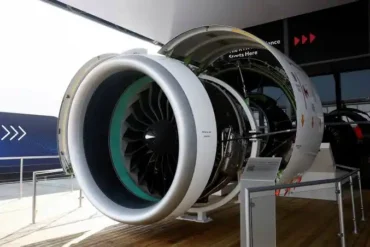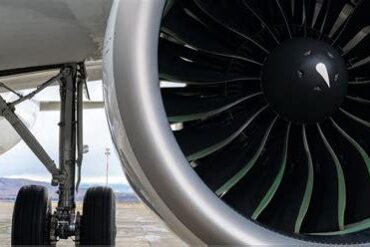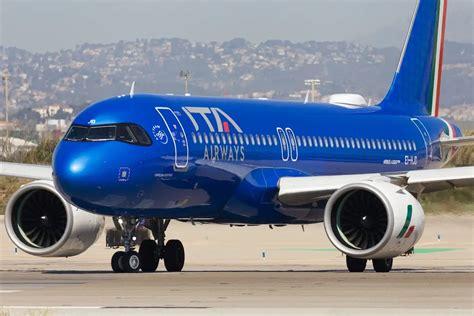
In a crisis that continues to unravel across international aviation circles, ITA Airways finds itself mired in a deepening operational nightmare as 22 aircraft—almost a third of its total fleet—are grounded due to the global recall of Pratt & Whitney GTF PW1000G engines. This significant portion of its 101-aircraft lineup is now inactive, effectively paralyzing the carrier’s medium-haul capability at a time when European skies are bustling with post-pandemic recovery demand.
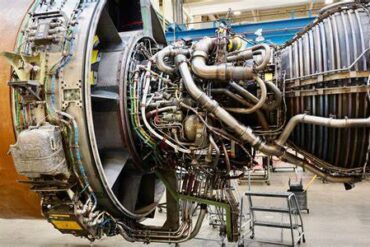
The problem stems from a manufacturing defect involving contaminated powdered metal, used in the high-pressure turbine (HPT) and compressor (HPC) discs of engines built between 2015 and 2021. Microscopic impurities in these vital components pose a serious risk of cracking and potential engine failure, necessitating mandatory inspections and off-wing processing that can leave aircraft idle for months. Regulatory agencies such as the FAA and EASA have issued directives compelling airlines to perform immediate and repeated checks, further complicating fleet availability across the globe.
While the issue has afflicted multiple carriers globally, ITA Airways has been disproportionately impacted. From its narrowbody fleet of 79 aircraft—mostly consisting of the Airbus A220, A320neo, and A321neo variants—three of four A321neos are currently parked, and nearly a quarter of its remaining narrowbodies are also out of service. This has dramatically disrupted route planning, aircraft rotations, and pilot scheduling. In an interview with Airways Magazine, CEO Joerg Eberhart lamented the consequences, noting that A220 pilots are flying as little as 20 hours per month, an unsustainable rate that undermines both operational efficiency and pilot retention strategies.
The financial toll is staggering. ITA projects a total loss exceeding €150 million over five years, averaging €82,000 in lost revenue every day the aircraft remain grounded. These figures are compounded by the airline’s inability to scale its operations during peak travel seasons, an especially damaging blow during the vital summer months of 2025.
Despite efforts by Pratt & Whitney to expand repair services, provide spare engines, and offer financial assistance, the scale of the crisis has outstripped the manufacturer’s mitigation capacity. Globally, the expected cost to RTX Corporation (P&W’s parent company) and its affiliated partners is projected to exceed $6 billion. The logistical complexity of sourcing replacement parts, scheduling inspections, and overhauling engines has created long bottlenecks, with some affected aircraft sitting idle for close to a year.
ITA Airways, citing inadequate redress and mounting operational losses, is now preparing legal action against Pratt & Whitney and RTX. The lawsuit aims to secure additional financial compensation beyond what has been offered in credits and technical support. This contentious move underscores the escalating frustration within ITA’s executive leadership, who view the current relief measures as insufficient given the scale of disruption they face.
Looking forward, ITA Airways forecasts ongoing disruption through at least 2026. With global demand for short- and medium-haul routes increasing, particularly in the European travel corridor, the loss of modern, fuel-efficient aircraft like the A321neo and A220 is not only curbing revenue but threatening market competitiveness. The setback comes at a critical juncture for the Italian flag carrier, which had been aggressively modernizing its fleet and expanding its brand presence since its post-Alitalia inception.
In a broader context, the ITA crisis serves as a sobering example of how technological centralization in engine manufacturing—once hailed for its efficiencies and cost-saving benefits—can cascade into industry-wide turmoil when flaws emerge. For carriers like ITA Airways, the road to recovery will not be measured in days or weeks, but in long-term operational realignment, financial resilience, and legal reckoning.
As global aviation watches closely, ITA Airways now faces not just a fleet headache, but a defining challenge to its strategic future.