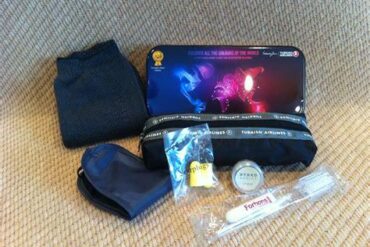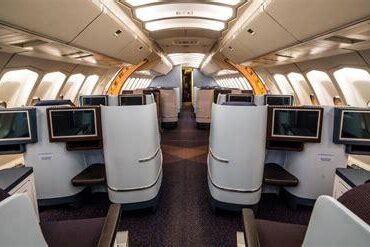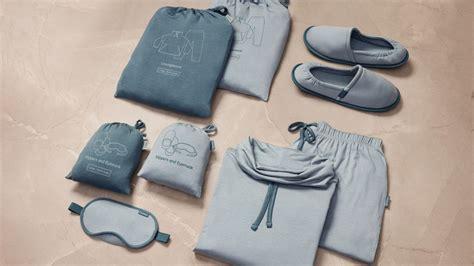
Business class has quietly transformed over the last decade. What was once a comfortable seat with extra legroom has evolved into a sleep-centric, hotel-in-the-sky experience, complete with lie-flat beds, layered bedding, designer amenity kits, and increasingly, dedicated pajamas. For travelers crossing oceans overnight, this detail is no longer trivial. It shapes how rested you feel on arrival, how well your body regulates temperature at altitude, and even how premium the journey feels on a psychological level.
The idea of business-class pajamas used to sound indulgent, almost first-class-exclusive. Today, that boundary has blurred. Airlines competing fiercely on long-haul routes have discovered that sleep quality sells, and pajamas are one of the most visible signals that an airline takes rest seriously. They are tactile proof that the cabin is designed not just for sitting, but for genuine sleep.
Still, pajamas are not universal. Availability depends on route length, timing, aircraft, brand strategy, and sometimes even your willingness to ask. Understanding which airlines provide them—and under what conditions—has become part of the savvy traveler’s pre-flight research ritual.
After three decades of premium cabin evolution, pajamas now sit at the intersection of branding, comfort science, and competitive positioning. What follows is a comprehensive, airline-by-airline exploration of who offers pajamas in business class, why they do, and how this small detail reflects much bigger shifts in premium aviation.
Are Pajamas Now Standard in Business Class?
The short answer is yes, but selectively. On long-haul and overnight routes, business-class pajamas have moved from novelty to expectation. Airlines across the Middle East, Asia-Pacific, Europe, and North America now include sleepwear as part of their premium soft product, particularly when flights exceed nine to twelve hours.
This change mirrors a broader reality: almost every long-haul business class seat is now fully flat. When the hard product converged, airlines were forced to compete elsewhere. Bedding, lighting, cabin temperature control, and yes, pajamas, became the new battleground. A passenger who sleeps well remembers the flight more fondly than one who doesn’t, even if both had identical seats.
That said, consistency remains elusive. Pajamas may appear only on overnight sectors, on ultra-long-haul routes, or on specific aircraft. Some airlines distribute them proactively, others only on request. A few offer them as rentals to balance cost and sustainability.
The trend is clear, though. Pajamas are no longer rare in business class; they are a recognized symbol of a serious long-haul product.
Why Airlines Invest in Business Class Pajamas
At altitude, the cabin environment is dry, cool, and unforgiving to normal clothing. Jeans restrict circulation. Synthetic fabrics trap heat or feel clammy. Pajamas designed for flight use breathable cotton or modal blends, loose cuts, and minimal seams, improving comfort over several hours of rest.
For airlines, the value is less about fabric and more about perception. Pajamas transform the passenger mindset from “traveler” to “guest.” Changing clothes signals that it’s time to sleep. Psychologically, it reinforces the idea that the airline has anticipated your needs.
There is also branding at play. Pajamas are photographed, shared, and remembered. A partnership with Giorgio Armani or The White Company communicates taste and quality faster than any marketing slogan. In an era where premium passengers post their journeys in real time, pajamas have become a subtle but powerful marketing asset.
Airlines That Offer Pajamas in Business Class
Qatar Airways
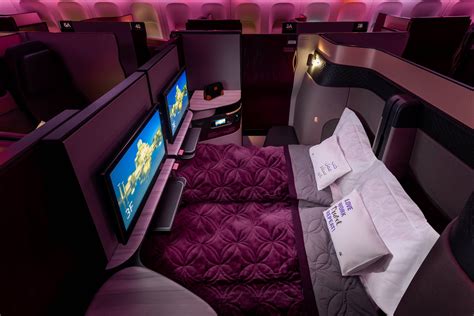
Qatar Airways has turned business class into a benchmark, and its pajamas reflect that philosophy. On most overnight long-haul flights, passengers receive a two-piece dark grey cotton pajama set by The White Company. The fabric is brushed, breathable, and designed specifically for sleep at altitude. The set comes with slippers and a discreet storage pouch, and many frequent flyers keep them as souvenirs.
The pajamas integrate seamlessly into the Qsuite experience, reinforcing Qatar’s claim that business class can rival first class in everything except square footage.
Emirates
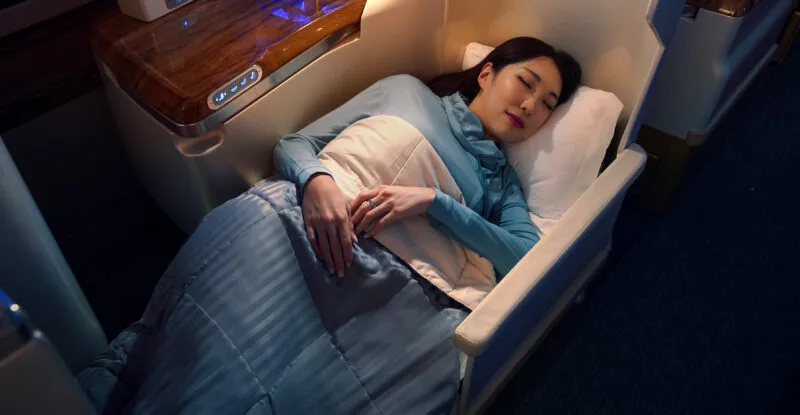
Emirates takes a slightly different approach, offering loungewear-style pajamas rather than traditional sleep sets. Available on flights over nine hours, the Emirates business-class pajamas use lightweight modal fabric in a relaxed, contemporary cut. The design leans toward athleisure, allowing passengers to move comfortably between seat, bar, and lavatory without feeling underdressed.
This choice reflects Emirates’ brand identity: glamorous, modern, and flexible. The pajamas feel less like hotel sleepwear and more like premium lounge clothing, which many travelers appreciate.
Etihad Airways
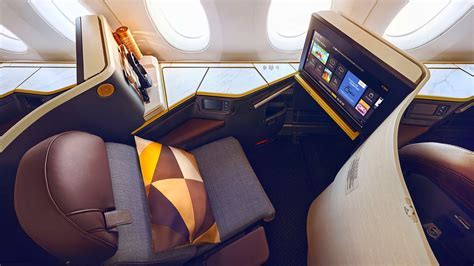
Etihad’s collaboration with Giorgio Armani remains one of the most understated yet luxurious offerings in the sky. On long-haul overnight flights, business-class passengers receive dark, minimalist pajamas crafted from a high-quality cotton blend. Subtle branding and impeccable tailoring make the set feel refined rather than flashy.
Paired with Armani-branded amenity kits, the pajamas reinforce Etihad’s cohesive design language, where every detail speaks quietly but confidently about quality.
EVA Air
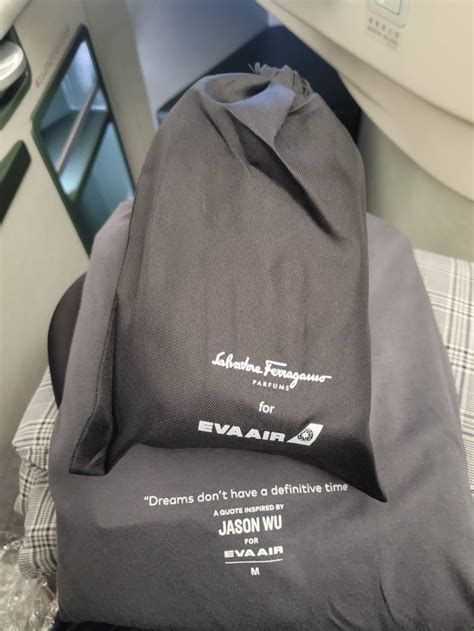
EVA Air’s Royal Laurel Class pajamas are among the most fashion-forward in business aviation. Designed by Jason Wu, the sets come in elegant neutral tones with piped edges and contemporary tailoring. The fabric balances softness with durability, making them practical for sleep and polished enough to wear around the cabin.
EVA Air’s pajamas frequently appear on social media, not because they are loud, but because they are unexpectedly stylish—a clever branding win.
Oman Air
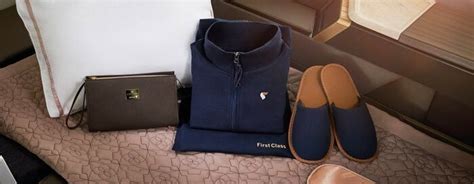
Oman Air approaches pajamas with a boutique-hotel mindset. On overnight widebody routes, passengers receive thick, soft cotton two-piece pajamas in neutral shades. The emphasis is warmth and comfort rather than fashion, ideal for cabin environments that can feel chilly during long rest periods.
The experience feels personal and grounded, aligning with Oman Air’s reputation for quiet luxury and attentive service.
Qantas
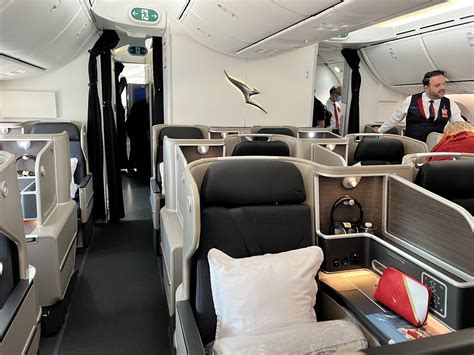
On selected international overnight routes, Qantas provides light grey cotton pajamas with a relaxed fit and subtle kangaroo branding. The sets are practical, breathable, and presented with slippers in fabric pouches that many passengers reuse.
Qantas frames pajamas as part of a broader sleep strategy, which includes upgraded mattresses and bedding on long-haul aircraft.
Virgin Atlantic
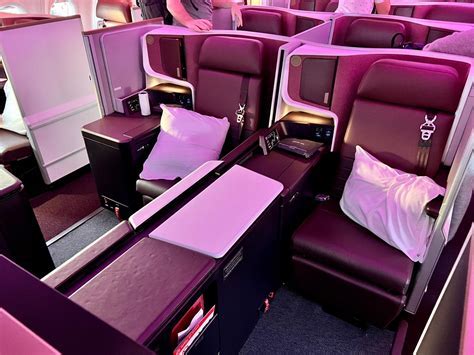
Virgin Atlantic’s Upper Class pajamas mirror the airline’s confident, modern personality. Typically black or navy, with a tailored cut, they feel sleek rather than sleepy. Offered on overnight flights, particularly transatlantic routes, the pajamas are designed to look good while still delivering comfort.
They reinforce Virgin’s idea that premium travel can be stylish without being stuffy.
United Airlines
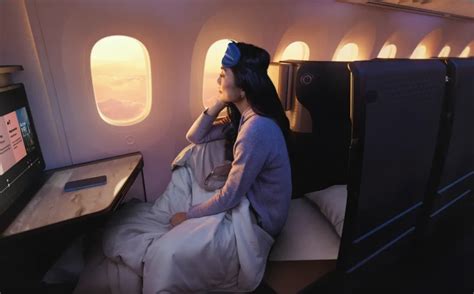
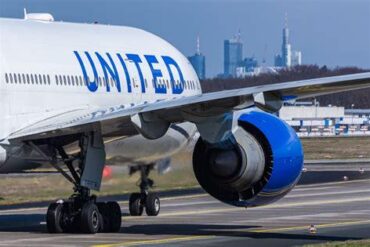
United Airlines offers pajamas on select long-haul routes, often upon request. The heather-grey cotton-blend sets are simple, functional, and comfortable, prioritizing utility over aesthetics.
While less glamorous than some competitors, United’s inclusion of pajamas signals recognition that ultra-long-haul business passengers value sleep-focused amenities.
American Airlines
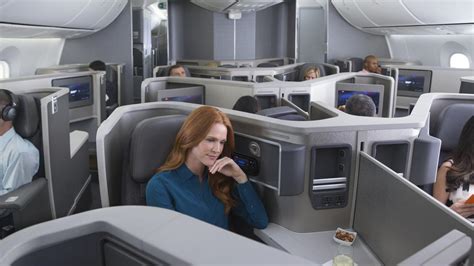
American Airlines includes Nest-branded pajamas on long-haul widebody international flights in Flagship Business. The minimalist design and premium fabric align with the airline’s broader bedding refresh, which emphasizes consistency and sleep quality.
The pajamas complement upgraded pillows and duvets, reinforcing American’s renewed focus on long-haul comfort.
Air India
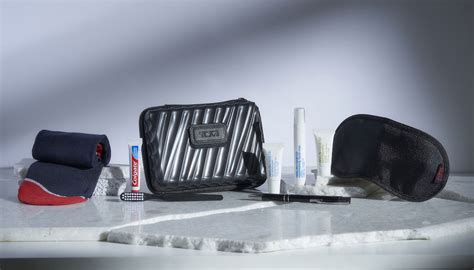
As part of its premium repositioning, Air India now offers TUMI-branded pajamas on long-haul international flights. Made from cotton-rich, breathable fabric, the sets come with slippers and are presented in a stylish TUMI pouch.
This upgrade signals Air India’s ambition to compete seriously in the global premium market.
All Nippon Airways (ANA)
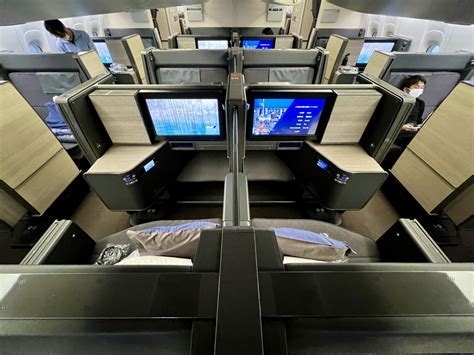
ANA takes a unique approach by offering pajamas as rentals on select long-haul flights. The cotton-blend sets are comfortable and practical, but passengers return them before landing. This model addresses sustainability concerns while still enhancing sleep quality.
Availability is limited, and early requests improve your chances.
Air Serbia
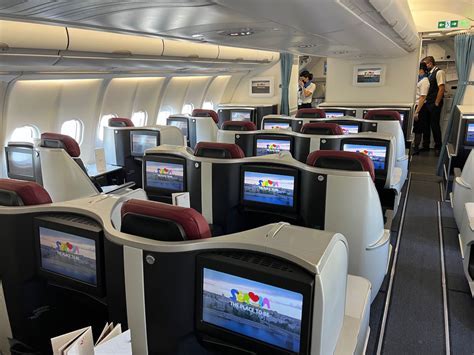
On selected A330 long-haul services, Air Serbia provides two-piece cotton pajamas, slippers, and enhanced bedding. Availability can vary by flight, reflecting the challenges smaller carriers face in maintaining consistent soft products.
Condor
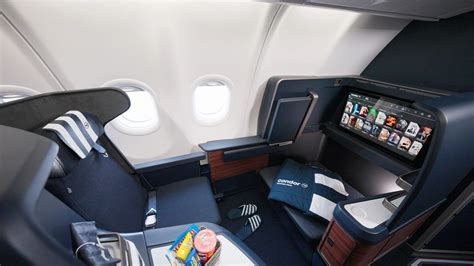
Condor restricts pajamas to its Prime Seat upgrade, rather than offering them across the entire business cabin. The pajamas form part of a bundled sleep kit that includes a mattress topper and slippers, illustrating how some airlines tie sleepwear to specific seat products.
How Business Class Pajamas Compare to First Class
The gap has narrowed dramatically. While first class still guarantees pajamas with more size options and sometimes seasonal fabrics, many business-class offerings now match or even exceed first-class sleepwear from a decade ago.
This shift underscores how business class has absorbed amenities once exclusive to first class. Meanwhile, premium economy remains clearly separated, rarely offering pajamas even on overnight flights.
Limitations and Inconsistencies to Expect
Despite their growing presence, business-class pajamas are not guaranteed. Aircraft swaps, catering issues, or limited stock can eliminate the offering without warning. Some airlines distribute pajamas only on request, and quantities may be limited.
Quality also varies. Some sets feel like genuine sleepwear; others resemble lightweight lounge clothing. Managing expectations is essential. Pajamas should be viewed as a valuable bonus, not an entitlement.
The Bottom Line on Business Class Pajamas
Business-class pajamas have become a quiet marker of a serious long-haul product. They reflect an airline’s understanding that sleep is the ultimate luxury at 35,000 feet. While not universal, they are increasingly common among carriers that position business class as a true rest experience rather than just a better seat.
For travelers who value arriving refreshed, researching routes and recent trip reports pays dividends. Pajamas may be a small detail, but in the psychology of premium travel, they signal that an airline has thought carefully about how you sleep—and how you’ll remember the journey.