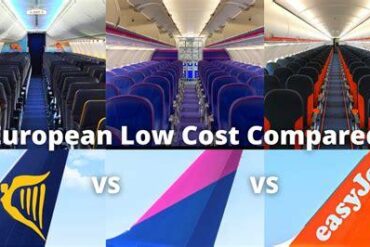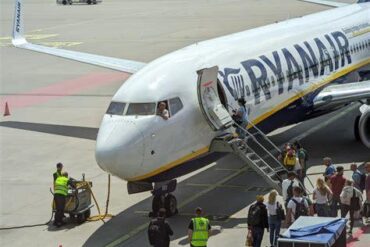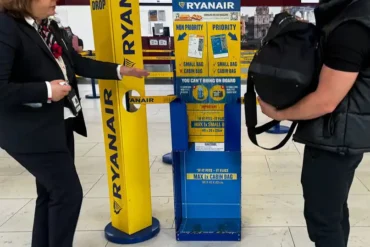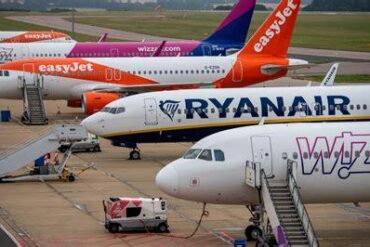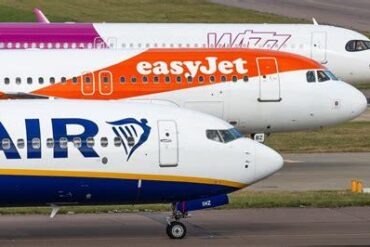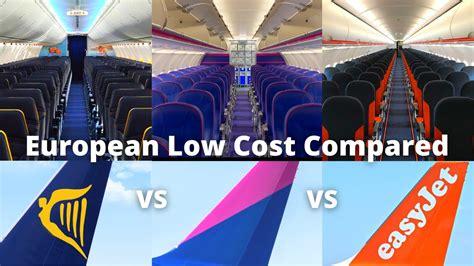
Low-cost air travel in Europe is booming, and three airlines dominate this sector: Ryanair, easyJet, and Wizz Air. Known for their aggressively priced tickets and simplified services, they’ve reshaped air travel across the continent. Yet for all their affordability, one issue consistently emerges in passenger feedback: legroom. How do these carriers stack up in 2025 when it comes to the space between your knees and the seat in front of you?
While these carriers share many similarities in fleet strategy and operational goals, the differences in seat pitch, seat design, and extra legroom options matter immensely—especially if you’re tall, value comfort, or are flying long-haul on their increasingly popular routes to North Africa and the Middle East.
Europe’s Low-Cost Titans: At a Glance
Together, Ryanair, easyJet, and Wizz Air dominate over 55% of Europe’s aviation market. In June 2025 alone, Ryanair led the pack with 20.1 million seats, followed by easyJet’s 9.6 million, and Wizz Air’s 6.2 million. Though all three airlines operate economy-only cabins, the competition in comfort and convenience remains fierce.
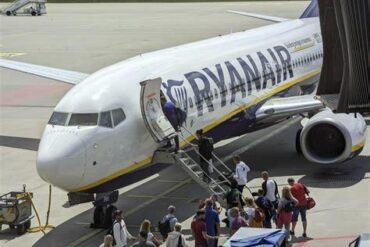
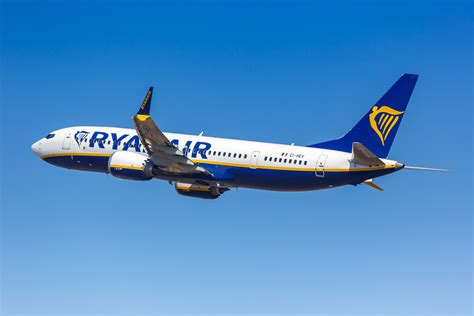
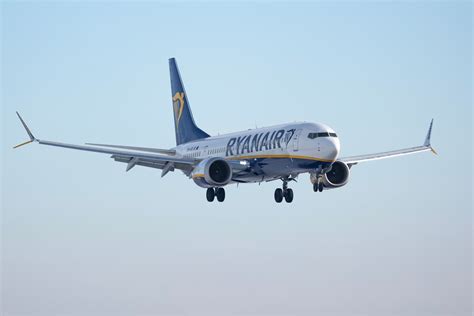
- Ryanair flies primarily Boeing 737-800 and 737 MAX 8-200 aircraft.
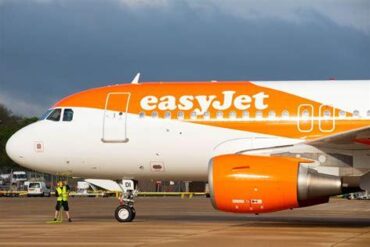
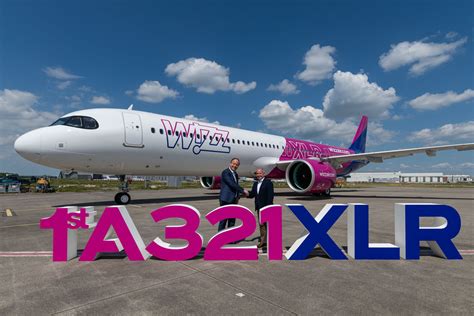
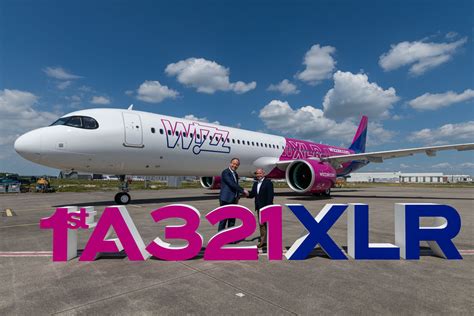
- easyJet and Wizz Air both operate the Airbus A320neo and A321neo series.
Although these aircraft families are different, the interior layout, particularly seat configuration, makes or breaks the passenger experience.
Legroom Specifications: Pitch, Width & Comfort
Each airline uses slimline economy seats to maximize cabin space, but let’s get specific.
Ryanair (Boeing 737-800 / 737 MAX 8-200)
- Seat Pitch: 28–29 inches
- Seat Width: 17.7 inches
- Number of Seats: 189 (737-800), 197 (737 MAX 8-200)
- Seat Type: Zodiac Z110 slimline
- Recline: None
Ryanair’s aircraft are designed for maximum density, even on their newer MAX 8-200s. The seats don’t recline and are intentionally narrow between armrests at 15.5 inches, which could be uncomfortable for larger passengers.
easyJet (Airbus A320neo / A321neo)
- Seat Pitch: 28.5–29 inches (35 inches in exit row)
- Seat Width: 17.7 inches
- Number of Seats: 186 (A320neo), 235 (A321neo)
- Seat Type: Recaro SL3510 slimline
- Recline: None
easyJet’s use of Recaro SL3510 seats offers a marginally better comfort profile, especially in the exit row and front row areas. The slightly increased pitch and the airline’s easyJet Plus membership provide access to more comfortable seating zones for frequent flyers.
Wizz Air (Airbus A320neo / A321neo)
- Seat Pitch: 28–29 inches (37 inches in exit row)
- Seat Width: 17.7 inches
- Number of Seats: 180 (A320neo), 239 (A321neo)
- Seat Type: Geven Essenza slimline
- Recline: None
Wizz Air fits more passengers on board than easyJet despite similar aircraft. However, its exit row legroom at 37 inches is the most generous among the three. The trade-off is that standard seating can feel noticeably more cramped due to denser layout and slimline padding.
Extra Legroom Seats: What’s Worth Paying For?
All three carriers offer upgraded seating options located at the front and emergency exit rows. These offer extra legroom, but are not considered “premium economy” in the traditional sense.
- Ryanair: Offers “Extra Legroom” and “Front Row” seating for a surcharge.
- easyJet: “Up Front” and “Extra Legroom” seats available, often free for easyJet Plus members.
- Wizz Air: Charges for both “Premium” front seats and exit row seating.
Important Caveats
Due to safety regulations, overweight passengers, children under 16, expectant mothers, and passengers with infants may be restricted from booking these extra-legroom seats. This policy is enforced across all three carriers, though Ryanair’s approach is particularly blunt in its warnings.
Fleet Strategy and Age: Youth Brings Quiet Efficiency
Ryanair, easyJet, and Wizz Air all maintain impressively young and efficient fleets:
- Ryanair: Average fleet age of 10.1 years
- easyJet: Average fleet age of 11.1 years
- Wizz Air: Average fleet age of 6.3 years
Wizz Air’s younger fleet—largely consisting of A321neos—translates to quieter cabins and better fuel efficiency. While this doesn’t directly impact legroom, it enhances the overall flight experience.
Recline or Not? The Slimline Reality
None of these airlines allow for seat recline in economy. This is a double-edged sword: while it prevents passengers from reclining into your space, it also means longer flights can become physically taxing—especially for those over six feet tall. The seats, designed more for durability and light weight, offer minimal padding. What you gain in low fare, you pay in physical resilience.
Ryanair, in particular, is infamous for its hard plastic seat backs, minimal foam, and sometimes unapologetic disregard for comfort. While easyJet and Wizz Air offer a marginally better cabin aesthetic, the practical experience across all three airlines is strikingly similar.
The Blunt Approach: Ryanair’s Bare-Bones Branding
Ryanair is unapologetically transparent about its comfort levels—or lack thereof. The airline has often used controversial press stunts to gain attention. From proposing charges for lavatory use to suggesting “standing seats” and even a so-called “fat tax,” Ryanair thrives on bold declarations that grab headlines.
In contrast, easyJet and Wizz Air attempt to offer a slightly more polished image, although their low-cost roots are equally entrenched. None provide business or premium economy cabins, and none intend to.
Comfort Verdict: Which Airline Offers the Most Legroom?
If we isolate the most important metric—legroom in inches—here’s how the three stack up:
- Wizz Air offers the most generous legroom in its exit rows at 37 inches, which is ideal for taller passengers.
- easyJet is slightly more comfortable in regular seats, with a consistent 28.5–29 inches of seat pitch.
- Ryanair, while matching competitors in seat width and pitch, has a more claustrophobic feel due to its cabin layout and hard seat design.
That said, standard seats across all three provide limited comfort. For those who value legroom, paying extra for exit or front row seats is almost a necessity.
Final Analysis: A Tight Squeeze, No Matter the Carrier
In a head-to-head comparison, the legroom and seat dimensions offered by Ryanair, easyJet, and Wizz Air differ only slightly in standard seating. However, if exit row legroom is the focus, Wizz Air takes the crown. For consistent comfort, easyJet strikes a balance between space and cabin feel. Ryanair, despite its pricing advantage, may test the limits of passenger endurance unless you opt for the upgraded seats.
In the era of ultra-low-cost flying, the extra inches matter more than ever. Whether for a weekend city hop or a longer haul to Amman or Marrakech, the right seat selection can make all the difference between an enduring journey and an endurable one.