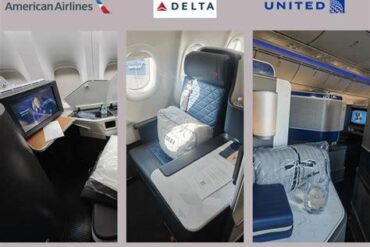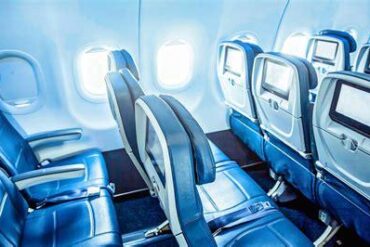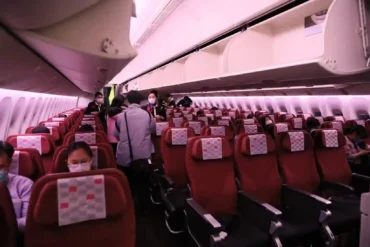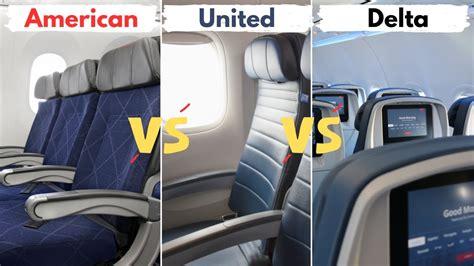
The battle for economy class comfort among the three major U.S. legacy carriers — Delta Air Lines, American Airlines, and United Airlines — is as tight as it is nuanced. While each airline operates similarly sized fleets and offers a global network, the passenger experience in economy class can vary depending on aircraft type, seat design, pitch, width, and amenities. In 2025, these distinctions matter more than ever for travelers seeking comfort without upgrading to premium cabins.
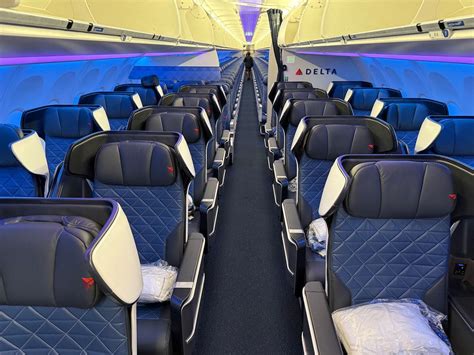
The Boeing 737-800: Subtle Differences in Density and Design
The Boeing 737-800 is a critical aircraft across all three carriers. Despite being an older-generation aircraft, its ubiquity in domestic routes means its layout often defines the average passenger’s economy experience.
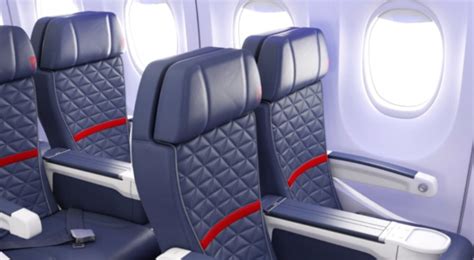
Delta Air Lines equips its 737-800s with 160 seats, including 144 in economy, with 36 Comfort+ seats for extra legroom. The regular economy seats feature a seat pitch of 31–32 inches and a width of 17.3 inches, offering slightly more legroom than the competition. Passengers enjoy seatback entertainment, WiFi, in-seat USB ports, and even AC power outlets — a comprehensive set of amenities.
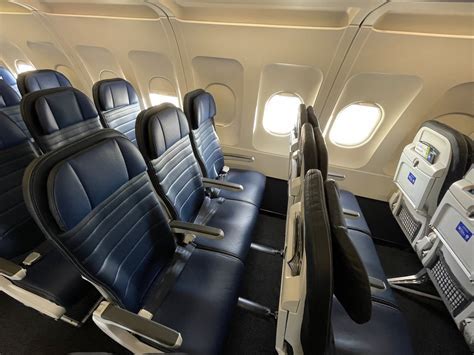
United Airlines configures its 737-800s with 165 seats, of which 150 are economy, including 48 Economy Plus seats. The standard seats — Collins Aerospace Pinnacle — are 16.3 to 17.3 inches wide with a 30-inch pitch. While recline is a modest 2 inches, not all planes in the fleet have identical configurations, so comfort can vary flight to flight.
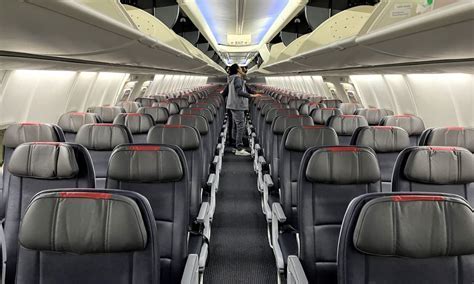
American Airlines, meanwhile, packs 172 seats into its 737-800s, the densest of the three. 156 are economy seats, including 24 Main Cabin Extra. Seat pitch is also 30 inches, but width ranges from 16.6 to 17.8 inches — potentially the widest seat depending on the aircraft. American uses the Collins Meridian seat, a more recent and ergonomically refined product compared to Pinnacle.
Collins Aerospace: Seat Models Matter More Than You Think
While pitch and width matter, seat design can radically alter the in-flight experience. The Collins Meridian, used by both American and on newer Delta and United planes, offers adjustable headrests, slimmer profiles, and modern aesthetics. The Pinnacle, older and less ergonomic, remains in service on many United aircraft. Delta’s choice of Recaro seats on some 737-800s introduces additional variability, although recent upgrades have aimed to standardize and modernize the feel.
United’s continued reliance on multiple seat types introduces a potential gamble for passengers. By contrast, American’s relatively consistent installation of Meridian seats ensures a more predictable experience.
The Airbus A321neo: The New Standard in Comfort?
All three airlines have embraced the Airbus A321neo, a more modern narrowbody aircraft known for fuel efficiency and improved cabin comfort. Here, we see an evolution in design and capacity:
- Delta Air Lines: 194 seats total; 174 economy (42 Comfort+). Seat pitch: 31 inches, width: 18 inches.
- United Airlines: 200 seats total; 180 economy (57 Economy Plus). Pitch: 30 inches, width: 18.4 inches.
- American Airlines: 196 seats total; 176 economy (47 Main Cabin Extra). Pitch: 30 inches, width: 16.6 to 18.4 inches.
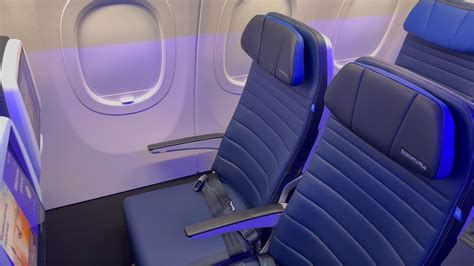
All three airlines use Collins Aerospace Meridian slimline seats in their A321neos, marking a step up in comfort and consistency. United edges out the competition slightly in width with its 18.4-inch seats, although Delta maintains a marginal advantage in legroom with a 31-inch pitch.
Entertainment, Power & Connectivity: A Modern Economy Class Must
Delta stands out with its commitment to seatback entertainment across many aircraft, especially following its 2022 refresh of select 737-800s and A321neos. Passengers can expect 10-inch seatback screens, Panasonic AVOD systems, and touchless lavatories.
American Airlines generally relies on a bring-your-own-device (BYOD) model, providing streaming content but rarely seatback screens in economy. However, power outlets and high-speed WiFi are standard.
United, like American, has moved away from seatback screens in many narrowbody aircraft. While some newer configurations do feature IFE, the experience is inconsistent. WiFi and USB power are common across most of its fleet, with AC power available on select planes.
Widebody Comfort: Dreamliners vs. A350s
Widebody aircraft are rarer on domestic routes but define long-haul international comfort. In this category, Delta, United, and American diverge significantly in fleet choices:
- Delta Air Lines: Does not operate the Boeing 787 Dreamliner. Instead, it leans heavily on the Airbus A350 and A330neo for long-haul, offering modern cabins with larger windows, higher humidity, and better pressurization.
- United Airlines: Operates 78 Boeing 787 Dreamliners, known for their quieter cabins, dynamic lighting, and larger dimmable windows.
- American Airlines: Fields 63 Dreamliners and 67 Boeing 777s, giving passengers a wide choice of long-haul aircraft, but seat configuration density on the 777s can impact comfort.
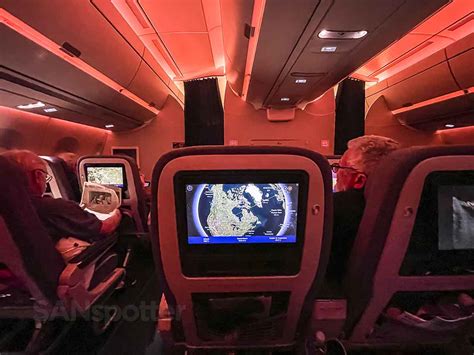
Cabin pressurization on both the Dreamliner (787) and A350 is superior to older aircraft like the Boeing 767, still in service with United and Delta. The 767, though once a workhorse, now feels outdated next to these newer generation widebodies.
Basic Economy Experience: Restrictions and Realities
Not all economy experiences are created equal — especially in Basic Economy, where restrictions are significant.
- Delta: Basic economy passengers receive complimentary snacks, non-alcoholic drinks, and seatback IFE. However, they cannot change tickets, and do not earn SkyMiles.
- American: Also offers snacks and streaming entertainment, with one carry-on and one personal item included. Miles are earned at a reduced rate.
- United: Basic economy is the most restrictive — only one personal item allowed on most routes (carry-ons must be checked for a fee). However, snacks and drinks are offered on flights over 300 miles, and passengers still earn miles.
For cost-conscious travelers, American Airlines offers the best balance of flexibility and perks in its basic fare, with Delta close behind. United’s baggage policy remains a significant deterrent.
Fleet Age & Consistency: A Marginal Factor
Aircraft age can subtly impact comfort — newer planes tend to have better noise insulation, air quality, and lighting systems. As of mid-2025:
- American Airlines: Average fleet age of 14.1 years
- Delta Air Lines: 15.1 years
- United Airlines: 15.7 years
The difference is minor, but American’s slightly younger fleet may provide more consistent onboard features. Delta, however, has invested heavily in modern interiors, even on older airframes, and its use of the Airbus A220 and A321neo further enhances the onboard experience.
Final Verdict: Who Wins in Economy Class Comfort?
Delta Air Lines leads the field with slightly more generous seat pitch, wider seats, and superior IFE availability. Its commitment to fleet modernization, refreshed cabins, and use of the Airbus A350 for long-haul routes underscores a consistent focus on passenger comfort.
American Airlines comes close, thanks to its widespread use of the Collins Meridian seats, slightly newer aircraft, and balanced basic economy policy. It does, however, suffer from denser seating on the 737-800, which may impact short-haul comfort.
United Airlines, while boasting the largest number of Dreamliners, trails in narrowbody comfort due to lower seat pitch, less consistent amenities, and a restrictive basic fare policy.
For travelers who value legroom, tech access, and a modern, well-rounded cabin, Delta Air Lines emerges as the top choice for economy class comfort in 2025.