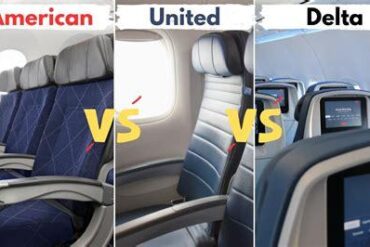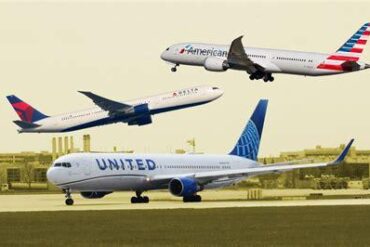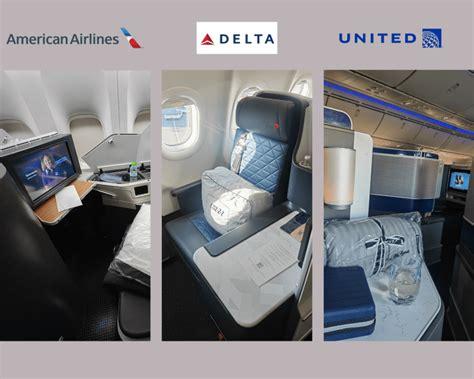
In the fiercely competitive U.S. aviation sector, American Airlines, Delta Air Lines, and United Airlines dominate the skies as the nation’s three largest full-service carriers. Each of these airlines operates expansive fleets, supports millions of passengers annually, and commands a substantial share of the domestic market. Yet, one critical operational metric consistently draws customer ire: flight delays. With performance data now available through April 2025, a clear yet complex picture emerges regarding which of these giants keeps travelers waiting most often.
Understanding Why U.S. Flights Are Delayed
According to the U.S. Department of Transportation’s Bureau of Transportation Statistics (BTS), a flight is considered delayed when it arrives 15 minutes or more past schedule. Key reasons driving these delays include:
- Aircraft arriving late: 6.7%
- Air carrier delays: 6.0%
- National aviation system issues: 5.8%
- Weather-related delays: 0.8%
- Security-related issues: 0.04%
Notably, weather, though appearing minor in raw percentages, often triggers cascading late-arrival delays, as one delayed aircraft impacts multiple subsequent legs of its schedule. Delays compound, straining operational reliability across even the most well-resourced carriers.
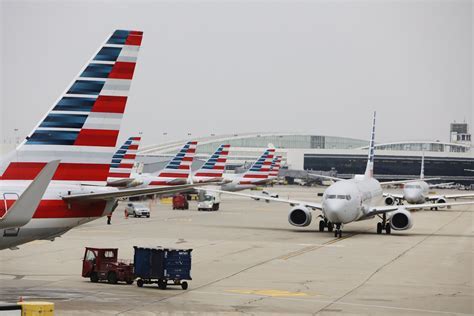
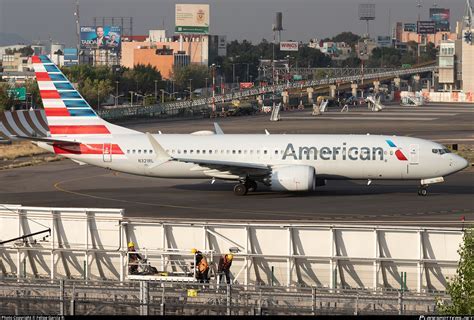
American Airlines: The Least Punctual of the Big Three
For the first four months of 2025, American Airlines delivered an on-time arrival rate of just 76.3%, placing it at the bottom among its peers. This means over one in five American Airlines flights arrived late. Specific breakdowns reveal:
- Aircraft arriving late: 8%
- Air carrier delays: 6.4%
- National aviation system delays: 6.3%
- Weather delays: 0.8%
Cancellations and diversions further tarnish the airline’s performance, with 2.0% cancellations and 0.3% diversions. Equally concerning is American’s baggage handling record: CBS News reports American as the worst among major carriers, mishandling 0.79% of all bags. Furthermore, American ranks second worst for involuntary passenger bumping, averaging 0.67 per 10,000 passengers.
American operates a fleet of 992 aircraft, largely consisting of Airbus A320s, Boeing 737s, Boeing 777s, and Boeing 787 Dreamliners. Despite its size, the carrier struggles to deliver operational punctuality consistently, exacerbated by its congested hubs and high flight volume.
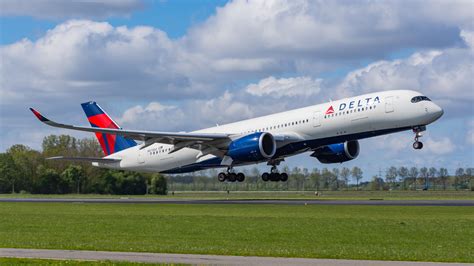
Delta Air Lines: Operational Excellence With Exceptions
Between January and April 2025, Delta Air Lines posted an on-time arrival rate of 80.2%, positioning itself as the second-best among the U.S. big three. Delays affected 18.5% of Delta flights, with minimal disruptions otherwise:
- Air carrier delay: 6.8%
- National aviation system issues: 5.7%
- Aircraft arriving late: 5.6%
- Security issues: 0.01%
Delta is notably robust in terms of customer handling. CBS News data places Delta as the best U.S. airline for avoiding involuntary bumping, alongside Allegiant Air. It also excels in minimizing mishandled wheelchairs and other special service failures.
Global benchmarking through Cirium’s 2024 On-Time Performance Review ranked Delta as the third most punctual airline worldwide, with 83.46% of its flights arriving on time—behind only Aeromexico and Saudia.
Delta’s fleet strategy increasingly favors Airbus widebodies, phasing out Boeing 767s in favor of modern A330neos and A350s, supporting both reliability and efficiency.
United Airlines: The Statistical Leader in 2025
United Airlines claims the top spot among the U.S. giants with an 81.2% on-time arrival rate from January through April 2025. Delays accounted for only 17.8% of United’s flights, bolstered by relatively low cancellation (0.7%) and diversion (0.2%) rates. Causes of United’s delays mirror Delta’s:
- Air carrier delay: 6.8%
- National aviation system issues: 5.7%
- Aircraft arriving late: 5.6%
- Security issues: 0.01%
Yet paradoxically, United fares worse in consumer satisfaction surveys and cancellation rankings. CBS News placed United as the third-worst airline for cancellations in 2024, despite its improved performance in 2025 BTS statistics. United’s baggage handling is another weak spot: only American ranks worse for mishandled luggage.
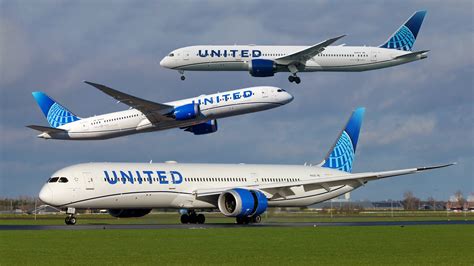
United operates the second-largest widebody fleet globally, behind Emirates. Its long-haul fleet is exclusively Boeing, although a substantial Airbus A350 order signals diversification from 2030 onward.
Industry Rankings and Market Presence
Beyond raw operational performance, Skytrax’s 2025 World Airline Rankings reveal U.S. carriers’ broader reputational struggles. Delta ranks as the top U.S. airline, landing in 22nd place globally. United trails far behind at 51st, while American languishes at 83rd position—falling five places from 2024.
In North America, Skytrax lists the top five airlines as:
- Air Canada
- Delta Air Lines
- Porter Airlines
- United Airlines
- JetBlue Airways
American Airlines fails to secure a spot in the top ten domestically, reflecting its reputational challenges despite operational scale.
From a financial standpoint, Delta Air Lines stands as the world’s most valuable airline, with a market capitalization of $37.9 billion, followed by United at $29 billion, and American trailing with only $8.2 billion—positioning it at 19th globally, barely ahead of Alaska Airlines.
A Complex Battle Between United and Delta
Ultimately, determining whether Delta or United is the more punctual airline depends on which metrics are prioritized. BTS data from early 2025 clearly favors United, with fewer delays and more on-time arrivals. Conversely, Delta’s international performance ranking, customer service reputation, and historical consistency present it as a strong contender.
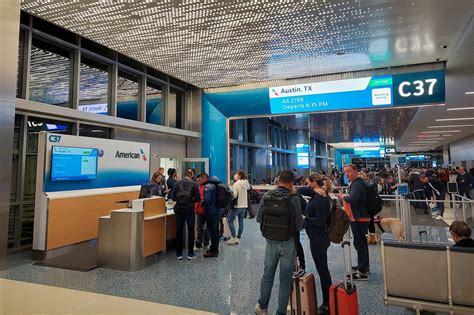
American Airlines, by all measures, consistently underperforms its peers in delays, cancellations, baggage handling, and global reputation. High flight volumes and congested hubs strain its operational resiliency, leaving it trailing in punctuality and customer trust.
For travelers prioritizing punctuality in 2025, United Airlines offers statistically the best chance of arriving on time, while Delta Air Lines balances solid operational metrics with superior customer handling and global reputation.
Key Takeaways for Travelers
- American Airlines: Most delayed and lowest ranked.
- Delta Air Lines: Strong customer handling, global recognition, solid operational performance.
- United Airlines: Statistically the most on-time among U.S. major airlines in early 2025.
While minor performance differences separate Delta and United, American Airlines unmistakably emerges as the U.S. major carrier most prone to delays and operational disruptions in 2025.