For decades, Boeing’s name was synonymous with reliability in commercial aviation, a company whose aircraft not only set industry benchmarks but also defined the global travel landscape. From the iconic Boeing 747, which revolutionized long-haul flights, to the versatile 737 family that became the backbone of short- and medium-haul routes worldwide, and the technologically advanced 787 Dreamliner, airlines structured fleet strategies around the confidence that Boeing would deliver on time. That trust, painstakingly built over decades, is now being severely tested. In recent years, Boeing’s production and delivery systems have faltered across multiple programs, leaving airlines scrambling to adapt as delayed aircraft disrupt schedules, route planning, and fleet renewals.
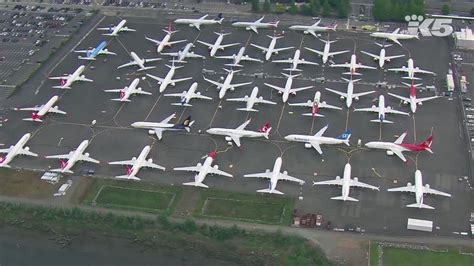
The problem has moved far beyond isolated setbacks. Boeing now faces a systemic delivery crisis, with its inventory ballooning as completed aircraft await certification and approval. By early 2025, dozens of jets sat undelivered, ranging from 737 MAX variants to more than 20 completed 787s. These delays have forced airlines to extend the operational life of older aircraft, incur higher maintenance costs, and juggle expensive short-term leases—all while billions in expected revenue remain tied up in parked aircraft. The scale of Boeing’s delivery challenge signals an industry-wide ripple effect, impacting airlines’ financial planning, operational efficiency, and competitive positioning.
Boeing’s backlog problem has become a visible symptom of deeper production and regulatory issues. Unlike the typical manufacturer inventory, Boeing’s stockpile of undelivered aircraft is unprecedented. As of last year, there were 30 737 MAX 8s, 26 737 MAX 7s, four 737 MAX 10s, and 21 Dreamliners sitting idle. The 737 MAX 7 fleet, in particular, has averaged over three years in storage due to lingering certification requirements. These delays are not merely bureaucratic; they reflect the fallout from the global 737 MAX grounding after two fatal crashes, compounded by pandemic-era supply chain interruptions, heightened FAA oversight, and sporadic manufacturing incidents like the Alaska Airlines 737 MAX 9 door plug issue. The implications for airlines are severe: fleets are stretched beyond planned retirement schedules, route launches are delayed, and cash flows are hampered as final aircraft payments cannot be collected until deliveries occur.
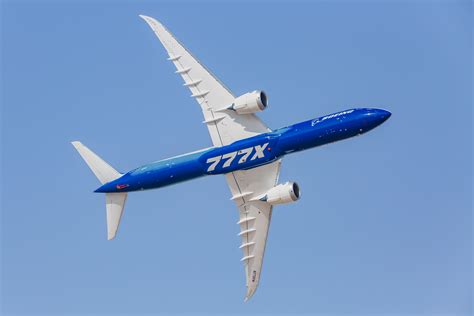
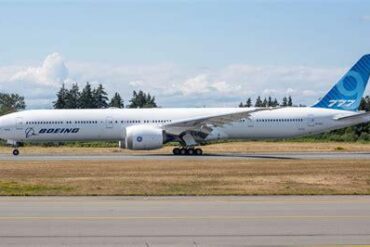
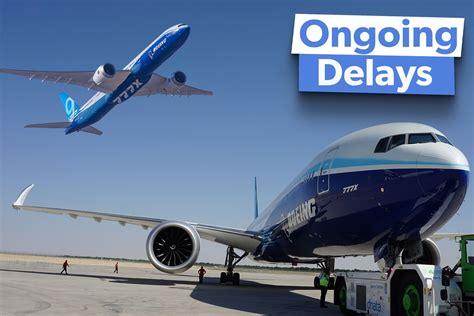
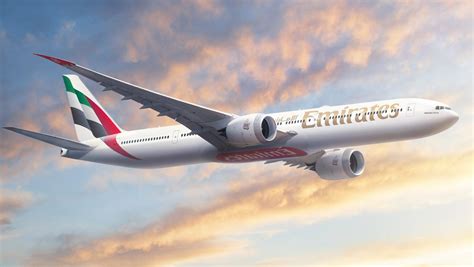
Among Boeing’s programs, the 777X epitomizes the delivery crisis. Originally launched in 2013 and slated for a 2020 debut, the 777X has now been pushed to a 2027 entry into service, marking one of the longest delays in modern commercial aviation. Designed as an advanced successor to the 777 family, the 777X boasts larger composite wings, folding wingtips, and powerful GE9X engines. Airlines were promised superior fuel efficiency and lower operating costs on high-capacity, long-haul routes. However, certification hurdles and the lingering shadow of the 737 MAX crisis slowed progress significantly, forcing Boeing to take a $4.9 billion pre-tax charge related to delays. For airlines like Emirates, which ordered 270 777X aircraft, the delay has necessitated a $5 billion investment in refurbishing existing planes to bridge the gap until deliveries finally occur. Cargo operators waiting for the 777-8 Freighter have also been frustrated, with delivery now projected for 2028.
The 737 MAX Variants: Certification Bottlenecks and Competitive Pressures
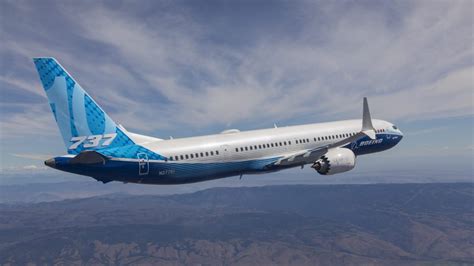
While the 777X captures headlines for its multi-year delay, Boeing’s 737 MAX variants represent a quieter but equally pressing problem. The MAX 7 and MAX 10, intended to round out Boeing’s narrowbody offerings, remain uncertified years after their initially projected entry into service. Initially anticipated for 2022, certification setbacks, including an engine anti-ice system redesign to address overheating issues, have pushed expected deliveries to 2026. The heightened regulatory scrutiny following the MAX grounding crisis means these issues, while technically minor, now trigger extensive review and testing before approval.
The impact on airlines is substantial. Southwest Airlines, counting on the MAX 7 to replace older 737s, and WestJet, slated to launch operations with the MAX 10, face uncertainty in fleet planning and route scheduling. Each year of delay also hands Airbus a competitive advantage in the narrowbody segment, particularly with the A321neo, which continues to dominate higher-capacity single-aisle markets. Meanwhile, undelivered MAX jets require ongoing storage and maintenance, tying up resources and increasing operational complexity for Boeing.
Boeing 787: Delivery Bottlenecks in a Mature Program
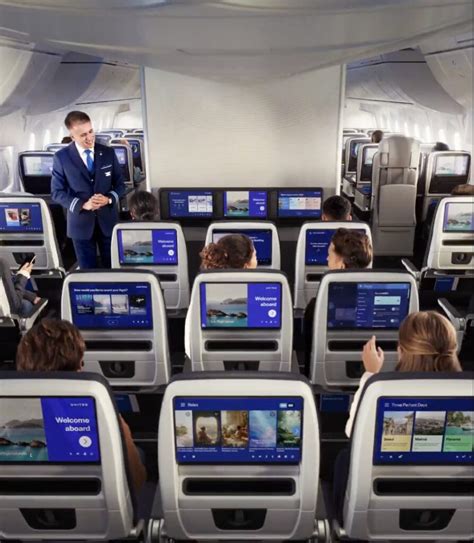
Unlike the 777X or MAX variants, the 787 is already established across global fleets. Yet, even this mature program suffers from delivery bottlenecks. After resuming deliveries post-quality control concerns, Boeing’s pace remains slow. Certification delays, particularly for complex premium cabin interiors, prevent airlines from putting fully assembled aircraft into service. Modern first- and business-class layouts often feature sliding privacy doors, integrated electronics, and highly customized configurations—all requiring meticulous regulatory approval.
These interior-related delays demonstrate that aircraft delivery today is far more than completing structural assembly. Engines, electronics, and cabin components are equally critical in determining when an airline can actually deploy a plane. The consequences ripple through airline operations: route launches are delayed, crew scheduling becomes more complex, and maintenance timelines are extended. Even with planes physically ready, the inability to deliver final product disrupts the meticulously planned cadence airlines rely upon.
Air Force One Replacement: The Most Extreme Case of Boeing Delay
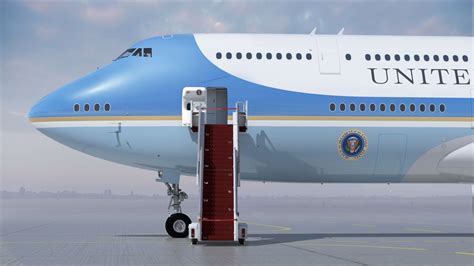
Nowhere is Boeing’s delivery struggle more pronounced than in the VC-25B Air Force One replacement program. Tasked with converting two Boeing 747-8 aircraft into presidential transports under a fixed-price contract of $3.9 billion, Boeing initially promised delivery by 2024. Today, the first aircraft is not expected until mid-2028. The delays have already led to $2.4 billion in losses for Boeing, with total taxpayer costs approaching $6.2 billion.
The complexity of the project cannot be understated. The aircraft must integrate advanced communications systems, defensive capabilities, and highly customized interiors. Yet, even accounting for this sophistication, the delays are extraordinary. The U.S. government’s acceptance of a donated Boeing 747 from Qatar to temporarily bridge the gap underscores the severity of the schedule slip. The Air Force One delays exemplify the broader challenges in Boeing’s defense division, where cost overruns and program slippage have become increasingly common.
Airline Adaptations to Boeing’s Delivery Crisis
Airlines worldwide are adjusting to a new reality where Boeing’s delivery timelines cannot be assumed. Historically, carriers aligned retirements, route launches, and crew planning with projected aircraft arrivals. Repeated delays have forced airlines to extend the operational lifespan of older aircraft, sacrificing fuel efficiency and increasing maintenance costs. Others have turned to expensive short-term leases to maintain capacity. Emirates’ $5 billion investment in retrofitting older aircraft highlights the tangible financial burden of bridging gaps in fleet availability.
At the same time, Airbus is benefiting handsomely. The A321neo continues to capture orders in the narrowbody sector, gaining market share at Boeing’s expense. Delays in MAX certification, coupled with ongoing bottlenecks in 787 and 777X delivery, have reshaped the competitive landscape, particularly in North America, Europe, and Asia. For Boeing, resolving technical production issues is one challenge—but restoring airline confidence is another. Airlines may tolerate occasional delays on complex aircraft programs, but persistent uncertainty across multiple families changes perceptions and planning priorities permanently.
Understanding Boeing’s Root Challenges
Boeing’s delivery crisis is multi-faceted. The combination of supply chain disruptions, regulatory scrutiny, quality-control setbacks, and program-specific technical challenges has created a perfect storm. The MAX grounding crisis was not just a temporary setback—it fundamentally altered how regulators interact with Boeing’s certification processes, extending timelines and imposing stricter oversight across all programs. Meanwhile, pandemic-related supplier issues have slowed production of critical components, further amplifying delays. Even programs that are structurally complete, like the 787, encounter bottlenecks due to complex interiors, engine inspections, and electronic system approvals.
Financially, these delays tie up billions in undelivered aircraft, affect cash flow, and complicate Boeing’s ability to collect final payments. Airlines face additional costs, including retrofits, maintenance extensions, and temporary capacity solutions. Strategically, Boeing risks losing ground in key markets to Airbus, particularly in high-demand narrowbody segments where timely delivery is critical.
Which Boeing Jets Are the Furthest Behind?
Evaluating Boeing’s program delays reveals a hierarchy of concern. At the top is the 777X, with first deliveries postponed by seven years and ongoing challenges in both passenger and freighter variants. The MAX 7 and MAX 10, still uncertified, occupy a critical position in the narrowbody market and highlight both regulatory and competitive pressures. The 787, while operational, suffers delivery bottlenecks linked to interiors and customization requirements, creating downstream effects on airline operations. Finally, Air Force One exemplifies extreme delays within defense and government contracts, underscoring broader organizational inefficiencies.
These delays collectively illustrate that Boeing’s challenges are not isolated but systemic. Each aircraft family faces unique hurdles, yet all contribute to the perception of a company struggling to meet commitments that were once industry-standard. The ripple effects affect airline strategy, competition, and ultimately, passengers worldwide.
Implications for Global Aviation
The consequences of Boeing’s delivery issues extend far beyond the manufacturer itself. Airlines must rethink long-term fleet strategies, balancing older aircraft retention with new aircraft deployment. Route launches are delayed, crew training schedules are disrupted, and operational budgets are strained. Delays in widebody aircraft, like the 777X and 787, impact long-haul route planning and capacity management. Meanwhile, narrowbody delays, particularly the MAX 10, give Airbus a strategic advantage, potentially shifting long-term market dynamics in Europe, North America, and Asia.
Moreover, the delays underscore the importance of regulatory rigor in ensuring passenger safety and quality standards. While they frustrate airlines and disrupt schedules, stricter oversight reflects lessons learned from past incidents, such as the 737 MAX grounding. The challenge for Boeing lies in reconciling these heightened standards with production efficiency—a task easier said than done.
Looking Ahead: Can Boeing Recover?
Boeing faces a dual challenge: resolving technical and production issues while restoring airline confidence. Technically, the path forward requires meticulous attention to quality control, supply chain stabilization, and streamlined certification processes. Financially, billions tied up in undelivered aircraft must be unlocked, and the company must manage the reputational damage that comes with repeated delays. Competitively, Airbus is leveraging every missed delivery as an opportunity to consolidate market share, particularly in narrowbody aircraft where timing is critical.
For airlines, recovery involves adjusting fleet planning and contingency strategies, including temporary leasing and retrofitting older aircraft. The MAX 10 and 777X delays highlight the broader consequences of disrupted delivery schedules, while the 787 demonstrates the intricacies of modern aircraft certification. Ultimately, Boeing’s ability to meet its obligations will shape the global aviation landscape for years to come.
Boeing’s story today is one of both technical complexity and operational fragility. It’s a reminder that modern aircraft production is an intricate web of engineering, certification, and supply chain coordination, and even an industry leader can face setbacks that reverberate globally. For passengers, the effects are less visible but no less real—delayed route launches, older aircraft in service longer than intended, and the financial strains that trickle down to ticket prices all reflect the human and operational impact of a delivery crisis that shows no immediate end.