
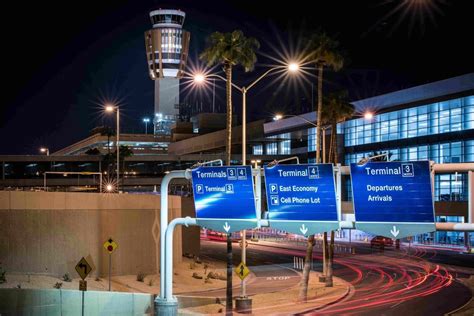
At its core, skip lagging exploits the pricing strategies of airlines, which sometimes charge less for multi-leg trips than for direct flights. For example, flying from Phoenix to Honolulu with a layover in Los Angeles might be cheaper than flying directly from Phoenix to Los Angeles. Passengers using skip lagging simply disembark at the layover point, leaving the final leg of their ticket unused.
This tactic disrupts airline revenue models, prompting stern warnings and penalties. As seen in the incident at Phoenix Sky Harbor, a gate agent warned a passenger that failing to board the final leg would result in the cancellation of their entire itinerary. Such warnings reflect airlines’ strict enforcement policies designed to deter passengers from exploiting their pricing systems.
Airline Enforcement and Passenger Risk
The consequences of skip lagging can be severe. Airlines routinely cancel return flights if a segment is missed, regardless of the reason—be it illness, passport issues, or intentional skip lagging. Some travelers recount being flagged for no-shows, while others describe losing their entire booking after a missed connection. Policies are applied uniformly, making no distinction between emergencies and intentional acts.
To navigate these risks, experienced travelers employ specific strategies:
- Never book round-trip tickets when planning to skip lag.
- Avoid checked luggage, since bags are usually routed to the final destination.
- Do not associate loyalty numbers with bookings, preventing airlines from tracking frequent offenders.
Legal Battles and Corporate Countermeasures
The legality of skip lagging remains a gray area. While not explicitly illegal, it violates airline terms of service. High-profile lawsuits have highlighted this tension: Lufthansa famously lost a lawsuit over hidden city ticketing, while American Airlines secured a $9 million judgment against Skiplagged in 2023 for “ill-gotten revenues.”
Airlines argue that skip lagging undermines their business models, distorting demand forecasts and leading to higher prices for other passengers. They have responded by adjusting pricing algorithms, monitoring frequent offenders, and instituting automatic cancellation policies when passengers miss segments.
Community Wisdom: The Unwritten Rules
Online forums brim with advice on the dos and don’ts of skip lagging. Passengers share tales of successful journeys and near misses, crafting a set of unwritten rules:
- Book one-way tickets only.
- Use Skiplagged and similar sites as research tools, not booking platforms.
- Always board early and blend in with other travelers.
- Be discreet; never mention skip lagging to airline staff.
One traveler recounted buying a replacement ticket after American Airlines canceled their flight, then proactively calling to cancel the skipped leg to avoid being flagged. Such stories underscore the importance of foresight and adaptability in executing skip lagging successfully.
Ethical Considerations and Industry Impact
Skip lagging stirs ethical debates within the travel community. Some argue that it’s a victimless hack, a way for consumers to fight back against opaque and sometimes unfair pricing. Others contend it’s a form of fraud, violating contracts and potentially raising costs for compliant passengers.
From an industry standpoint, airlines view skip lagging as a threat to profitability. Revenue management systems rely on predictive models that skip lagging disrupts, potentially leading to inefficiencies and financial losses. These impacts prompt airlines to lobby for stricter penalties and to innovate with more sophisticated pricing tactics.

Practical Challenges: What Happens If You Get Caught?
If flagged for skip lagging, passengers may face immediate penalties or long-term consequences. Airlines have been known to:
- Cancel remaining flights without refund.
- Demand payment for the fare difference.
- Suspend or terminate frequent flyer accounts.
- Ban passengers from future bookings.
While enforcement is inconsistent and sometimes subject to gate agent discretion, the risks are real. Anecdotes highlight cases where passengers had to drive long distances to retrieve left-behind luggage or were stranded at layovers due to unexpected enforcement.
The Future of Skip Lagging: Adaptive Strategies and Industry Evolution
As airlines become increasingly savvy, the window for skip lagging may narrow. Enhanced AI-driven booking systems, biometric boarding, and real-time travel monitoring are poised to make skip lagging detection more precise. Travelers will need to weigh the shrinking benefits against rising risks carefully.
Simultaneously, airlines may need to confront the root causes of skip lagging: opaque pricing and perceived unfairness. Transparent pricing models and more equitable fare structures could reduce the appeal of hidden city ticketing, balancing industry sustainability with consumer trust.

Conclusion: A High-Stakes Game of Strategy
Skip lagging occupies a complex intersection of consumer ingenuity, legal ambiguity, and corporate policy. While it offers a tempting way to save money, travelers must navigate a landscape rife with potential pitfalls. Airlines, for their part, continue to escalate enforcement and innovate countermeasures. The ongoing tug-of-war between passengers and airlines reflects broader tensions in the air travel ecosystem, where pricing transparency and fairness remain hotly contested.
Ultimately, skip lagging is not for the faint-hearted. It demands meticulous planning, discretion, and a willingness to accept consequences. As airlines evolve, so too must the strategies of travelers who dare to exploit the hidden cities of air travel.