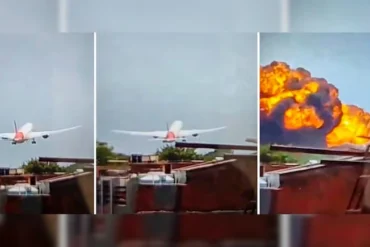
The investigation into the fatal crash of UPS Airlines Flight 2976 has entered a new phase after the cargo carrier formally argued that Boeing’s maintenance guidance influenced its decision not to perform enhanced inspections on critical engine pylon components. Eight months after the devastating accident near Louisville, Kentucky, newly filed submissions to the National Transportation Safety Board (NTSB) reveal a growing dispute over maintenance responsibility, manufacturer recommendations, and aviation safety oversight.
The crash occurred shortly after takeoff when the aircraft’s left engine separated from the wing, resulting in an unrecoverable loss of control. While investigators quickly identified the immediate mechanical failure, determining why the failure occurred—and who bears responsibility—has become considerably more complex as evidence continues to emerge.
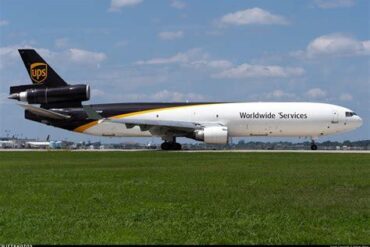
UPS now contends that it relied directly on Boeing’s technical assessments regarding the McDonnell Douglas MD-11F, arguing that the manufacturer assured operators that certain bearing degradation within the engine pylon structure did not constitute an immediate flight safety concern. That advice, according to the airline, shaped its maintenance program and ultimately influenced inspection decisions before the accident.
UPS Says Boeing Assured Operators Existing Maintenance Was Adequate
According to the airline’s post-hearing submission to the NTSB, UPS maintained that it followed Boeing’s recommendations regarding inspection intervals for the MD-11F fleet. The carrier stated that Boeing characterized the bearing issue as not affecting the immediate safety of flight, indicating that the inspections already contained within the Maintenance Planning Document were sufficient.
UPS argued that because Boeing did not classify the condition as a critical flight safety issue, the airline concluded there was no operational need to introduce enhanced inspection procedures beyond those already required. The filing states that the company relied upon Boeing’s engineering evaluations and technical guidance when determining how to manage maintenance for the aging cargo fleet.
The latest filing shifts significant attention toward whether the manufacturer’s assessment accurately reflected the risks associated with engine pylon bearing deterioration. Investigators are now examining whether more rigorous inspections could have identified progressive damage before it reached a catastrophic stage.
Engine Separation Became The Catastrophic Trigger
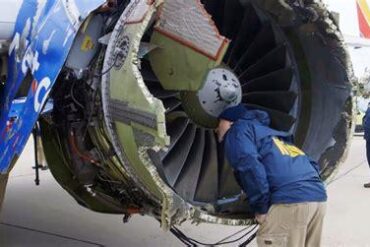
Flight 2976 departed Louisville Muhammad Ali International Airport on November 4, 2025, bound for Daniel K. Inouye International Airport in Honolulu. Only seconds after liftoff, the aircraft suffered a catastrophic structural failure when its left engine separated following a failure involving the pylon assembly connecting the engine to the wing.
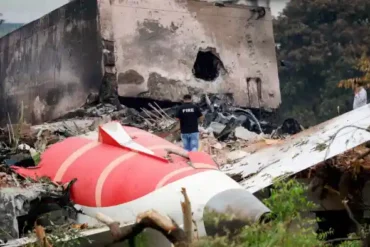
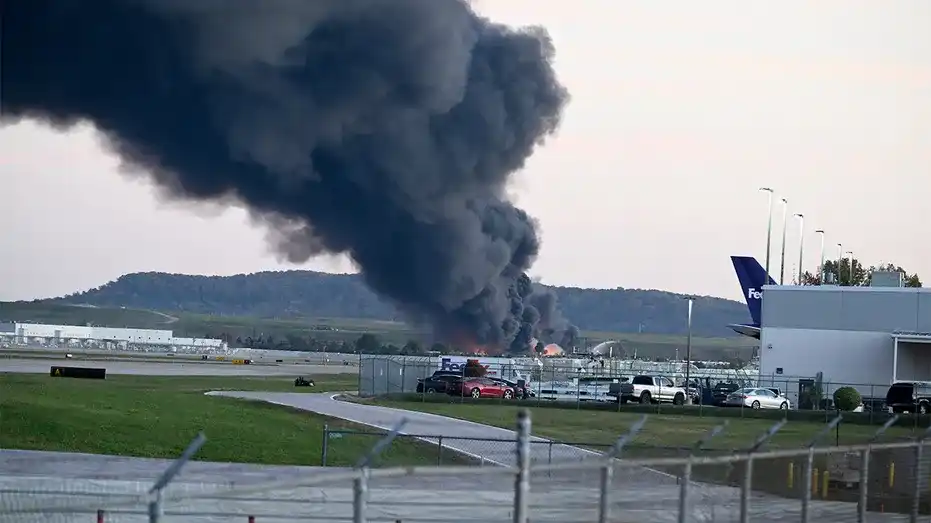
The sudden separation inflicted severe structural damage that immediately compromised the aircraft’s controllability. With virtually no altitude available for recovery, the MD-11F crashed into an industrial area beyond the departure runway before erupting in flames.
The accident claimed the lives of all three crew members aboard the freighter. The impact also resulted in 12 fatalities on the ground, while another 22 individuals sustained injuries, making it one of the deadliest cargo aircraft accidents in recent U.S. aviation history.
Experts Say Responsibility May Extend Beyond Boeing And UPS
Former aviation accident investigator Jeff Guzzetti has emphasized that aviation disasters rarely result from a single mistake. Instead, major accidents typically emerge from multiple decisions, technical assumptions, procedural shortcomings, and oversight failures occurring simultaneously.
Guzzetti suggested that responsibility may ultimately be distributed among several organizations rather than resting solely with Boeing or UPS. In addition to the manufacturer and airline, investigators continue examining the roles of the Federal Aviation Administration (FAA) and maintenance provider STE San Antonio Aerospace.
According to Guzzetti, aviation safety functions through shared accountability. Manufacturers develop engineering guidance, regulators oversee compliance, maintenance organizations perform inspections, and airlines determine how maintenance programs are implemented. Any weakness within that chain can combine with other factors to produce catastrophic consequences.
This broader perspective reflects the NTSB’s ongoing effort to determine not simply what failed mechanically, but why existing safeguards failed to prevent the accident despite multiple opportunities for detection.
The Investigation Highlights Critical Questions About Maintenance Communication
Beyond the physical failure itself, the investigation increasingly focuses on communication between aircraft manufacturers and operators. If Boeing’s guidance understated the operational significance of bearing wear, investigators must determine whether maintenance recommendations adequately reflected the true level of risk.
Conversely, investigators will also evaluate whether UPS should have independently adopted additional inspections despite the manufacturer’s recommendations, particularly given the age and operating profile of the MD-11 cargo fleet. Understanding how technical advice is interpreted by airline maintenance departments remains central to the investigation.
These questions extend well beyond a single accident. The findings could influence future maintenance directives, inspection intervals, and certification requirements for aging commercial aircraft operating worldwide.
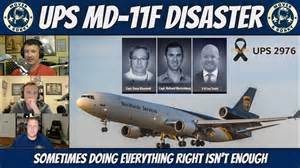
MD-11 Retirement Marks A Major Turning Point
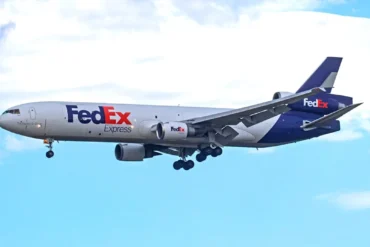
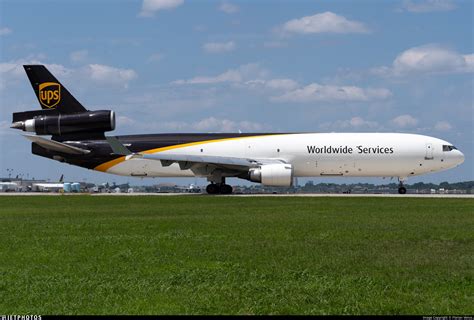
Following the Louisville tragedy, UPS temporarily grounded its remaining McDonnell Douglas MD-11F aircraft before ultimately deciding to retire the fleet entirely. The decision closed an important chapter in the history of one of the world’s most recognizable long-range cargo aircraft.
While the MD-11 has served global freight operators for decades, the Flight 2976 accident renewed attention to the maintenance challenges associated with aging aircraft structures and the importance of continually reassessing inspection programs as fleets mature.
As the NTSB continues its investigation, the central question remains whether clearer engineering guidance, enhanced inspections, or different regulatory oversight could have interrupted the sequence of events before tragedy struck. The final report is expected to provide recommendations that may reshape maintenance practices across the cargo aviation industry while determining how responsibility should be shared among the organizations involved.