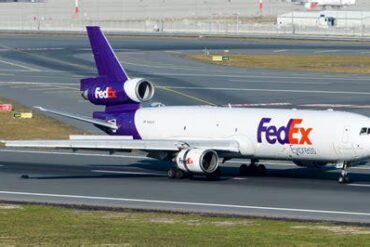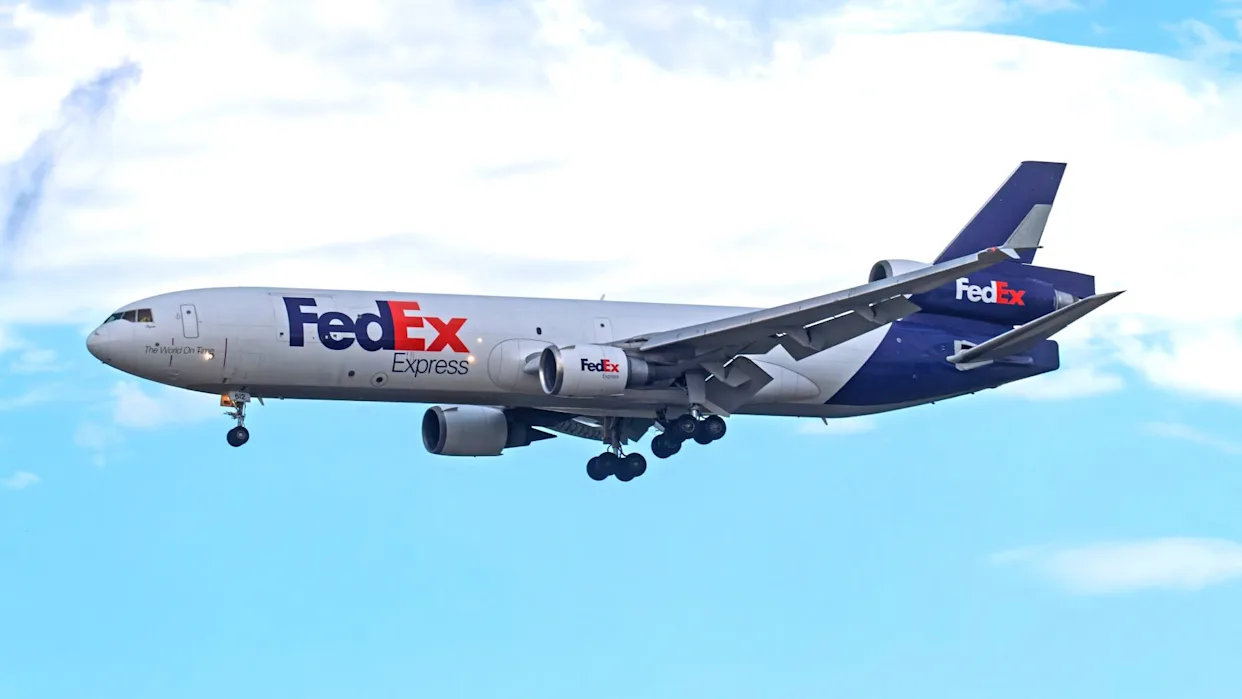
The McDonnell Douglas MD-11, one of the most recognizable tri-jets still flying in commercial cargo service, is moving closer to a return after months of uncertainty triggered by a catastrophic crash that grounded the global fleet. FedEx, the world’s largest MD-11 operator, is preparing to reactivate dozens of aircraft once Boeing’s newly designed hardware modification receives final approval from the Federal Aviation Administration.
The effort centers on what appears to be a deceptively small mechanical component inside the engine pylon structure. Yet investigators believe that component played a critical role in the destruction of UPS Airlines Flight 2976, the November 2025 accident that reignited concerns surrounding aging widebody freighters and their long-term structural durability.
The grounding of the MD-11 and related DC-10 fleet sent shockwaves through the air cargo industry. At a time when freight demand remains volatile and operators continue struggling with fleet shortages, losing a significant number of long-haul cargo aircraft created operational pressure across several major networks. FedEx, which still relies heavily on the MD-11 for intercontinental freight operations, has spent months balancing capacity while simultaneously preparing for the aircraft’s possible return.
Boeing’s New MD-11 Engine Pylon Hardware Fix
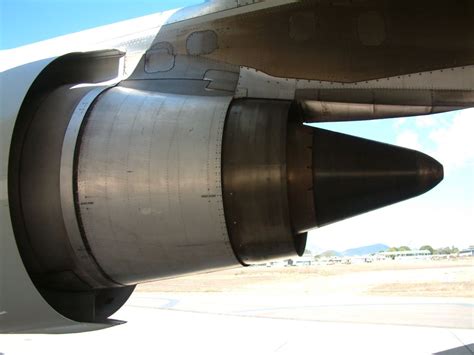
According to reports surrounding the ongoing recovery effort, Boeing has developed a detailed maintenance and inspection package focused on the aft engine pylon mount system. Central to the fix is the replacement of spherical bearings installed within the pylon attachment structure on each side-mounted engine.
Investigators examining the UPS crash discovered fatigue cracking and structural distress in the left pylon aft mount assembly. The failures involved the aft mount lug and bearing system, components responsible for absorbing and distributing engine loads during takeoff and flight operations. The damage ultimately contributed to an engine separation event shortly after departure from Louisville Muhammad Ali International Airport.
The revised Boeing solution introduces upgraded bearings alongside mandatory inspections of the aft bulkhead and surrounding structural areas. Engineers believe the modification will reduce stress concentration and improve long-term reliability within one of the aircraft’s most heavily loaded structural zones.
The fix may sound minor on paper, but in aviation engineering, small tolerances and hardware integrity often determine whether an aircraft continues operating safely for decades or faces immediate retirement. Boeing’s proposal now awaits final FAA certification before operators can fully proceed with fleet restoration.
The Crash That Changed The MD-11’s Future
The November 4, 2025 crash dramatically altered the outlook for the aging tri-jet. UPS Airlines Flight 2976 suffered a catastrophic engine separation during takeoff, causing the aircraft to lose control and crash shortly after departure. All three occupants onboard were killed, along with multiple people on the ground.
The National Transportation Safety Board’s preliminary findings pointed toward fractures and fatigue-related failures within the pylon hardware assembly. Investigators identified overstress failures on the aft mount lug as well as fatigue cracking that developed over time under repeated operational loads.
What intensified scrutiny surrounding the aircraft was the revelation that Boeing had previously identified similar hardware failures more than a decade earlier. In 2011, four separate incidents involving the same component prompted warnings to MD-11 operators. At the time, those failures were not considered an immediate flight safety threat, largely because they did not result in engine separation events.
The 2025 disaster changed that assessment entirely.

FedEx Pushes To Restore Critical Cargo Capacity
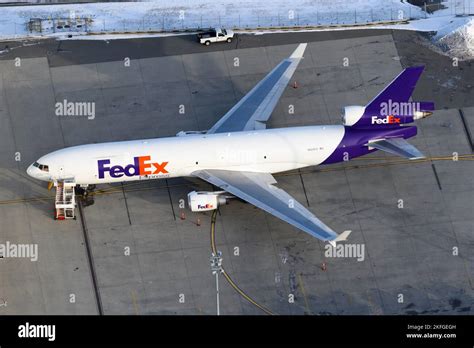
FedEx has remained publicly committed to returning its MD-11 fleet to operation despite mounting industry skepticism surrounding the aircraft’s future. The carrier currently maintains 28 MD-11 freighters slated for reactivation once regulators approve Boeing’s repair program.
Company maintenance teams have already begun preparing for the extensive inspection and replacement process. Each aircraft will receive new pylon bearings, structural evaluations, and test flights before carrying commercial cargo again.
FedEx executives have repeatedly emphasized that the restoration effort is being handled under strict oversight involving engineering, maintenance, and airline safety divisions. The airline understands that public confidence in the MD-11 depends entirely on demonstrating that the structural weakness has been fully addressed.
Operationally, the aircraft still fills an important niche. While newer freighters like the Boeing 777F deliver superior fuel efficiency, the MD-11 continues offering strong payload capability across medium- and long-haul cargo routes. Replacing that lift capacity immediately would require billions in fleet investment and years of aircraft deliveries.
That economic reality partly explains why FedEx is determined to keep the tri-jet flying while competitors move toward retirement.
Accelerated Retirement Plans Across The Cargo Industry
Even before the grounding, the MD-11’s long-term future appeared limited. Rising fuel prices, tightening emissions standards, and increasing maintenance complexity had already pushed operators toward modern twin-engine freighters.
UPS accelerated its transition strategy after the crash, announcing plans to retire its entire MD-11 fleet permanently. The decision marked the beginning of what many analysts expect will become a broader industry shift away from older three-engine cargo aircraft.
Western Global Airlines, another MD-11 operator, has remained comparatively quiet regarding future fleet plans. The company continues monitoring regulatory developments while evaluating the financial practicality of additional maintenance upgrades.
For FedEx, however, the equation remains different. The carrier has built substantial operational infrastructure around the MD-11 platform, including maintenance expertise, spare parts inventories, and route planning optimized for the aircraft’s capabilities. Retiring the fleet immediately would create a major logistical and financial challenge.
Why The MD-11 Still Matters In Global Cargo Aviation
Despite its age, the MD-11 occupies a unique place in modern air freight. Developed from the DC-10 platform during the late 1980s, the aircraft became a favorite among cargo carriers because of its large payload capacity and long-range performance.
Passenger airlines gradually phased out the type due to fuel burn disadvantages compared with newer twin-engine aircraft. Cargo operators, however, continued extracting value from the platform, especially as e-commerce growth increased demand for overnight freight transportation.
The coming FAA decision will determine whether the MD-11 receives a temporary second life or enters accelerated retirement across the global cargo market. For now, FedEx remains prepared to place the aircraft back into scheduled operations once regulators sign off on Boeing’s fix.
If approved, the return of the MD-11 will represent more than a maintenance milestone. It will become a defining test of how the aviation industry manages aging aircraft, structural fatigue, and the balance between operational economics and uncompromising safety standards.