The global aviation sector witnessed an unprecedented surge of coordinated technical action as more than 5,900 Airbus A320-family aircraft were successfully modified within just 48 hours, leaving fewer than 100 jets still awaiting software updates. This rapid-fire recovery followed a safety directive triggered by a flight-control data corruption risk linked to solar radiation, thrust into public view after a JetBlue aircraft experienced an abrupt altitude drop that injured passengers.
Airbus entered the final days of November under intense pressure, yet the manufacturer managed to stabilize the situation with remarkable speed. Engineering teams, airline operators, maintenance crews, and regulators collectively raced through a global fix, treating the issue with the same urgency typically reserved for major fleet-wide safety actions. The update required grounding thousands of aircraft, but the swift execution meant the impact to passengers was far less severe than initially feared.
The initial warning arrived on November 28 when Airbus informed operators that a software vulnerability in the A320’s flight-control data architecture could be exposed under conditions of high solar radiation. With the A320 family serving as the backbone of short- and medium-haul air travel worldwide—spanning more than 10,000 aircraft orders and thousands in active daily rotation—the implications were immediate and substantial.
By early December, Airbus confirmed that the “vast majority” of affected jets had already received the mandatory software patch. Engineering teams worked through the night across Europe, Asia, the Middle East, and the Americas, turning airport ramps into temporary software-upgrade staging areas. Airbus issued an unusually emphatic statement thanking operators and stakeholders for their cooperation and reiterating that safety overrides all operational priorities, especially when flight-control data integrity is involved.
The manufacturer also emphasized that fewer than 100 aircraft remain grounded and that coordination with airlines continues so that every jet can swiftly return to revenue service.
How A Solar Radiation Glitch Triggered a Worldwide Grounding
The trigger event that led to the fleet-wide action involved a JetBlue flight that suffered a sharp altitude deviation mid-journey. Subsequent investigation pointed to a rare but serious vulnerability: under specific conditions involving elevated solar activity, flight-control data could become corrupted, triggering unpredictable aircraft responses. While the root cause was known to be extremely uncommon, the potential risk was high enough for the European Union Aviation Safety Agency (EASA) to issue an emergency airworthiness directive.
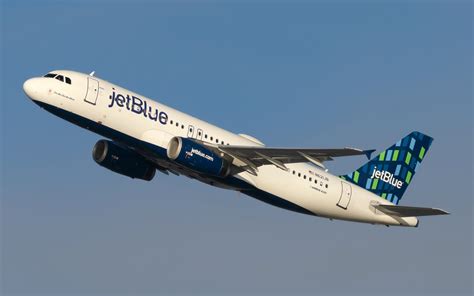
This forced operators to ground each affected A320-family aircraft until the software—already validated and available—was installed. The grounding created a uniquely challenging situation: the fix itself was fast, but executing it across nearly 6,000 aircraft simultaneously was a logistical and operational puzzle normally expected to take weeks.
Airlines Mobilize Overnight To Minimize Passenger Disruption
The timing of the alert played a surprisingly helpful role. For European carriers, the news broke late in the evening, enabling maintenance teams to begin applying the update overnight. Airlines such as easyJet, with large A320-family fleets operating dense weekend schedules, managed to restore normal service by Saturday morning with minimal interruption.
In the United States, American Airlines reported roughly 340 impacted aircraft, yet avoided widespread cancellations by mobilizing technicians across its hub network. In Asia, ANA faced more severe effects, cancelling 65 domestic flights and affecting nearly 9,400 passengers, while Australian low-cost carrier Jetstar reported roughly 90 cancellations as it cycled aircraft through the update process.
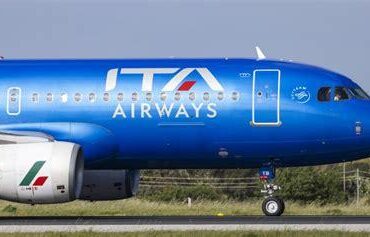
Even high-profile travel plans were not immune. ITA Airways had to rush a modification to ensure the safe continuation of a flight carrying Pope Leo XIV from Istanbul to Beirut—an unusual reminder of how deeply the A320 is woven into global mobility.
The World’s Most Popular Narrowbody Returns to Normal Operations
Despite the scale of the disruption, the coordinated rollout of fixes has now brought the global A320 fleet back to a near-normal state. Airbus noted that most lingering delays involve older aircraft, which require longer software load times or additional verification steps before release.
The swift recovery highlights both the global dependence on the A320 family and the evolving nature of aviation safety, where digital vulnerabilities now sit alongside mechanical and structural concerns. Airlines and manufacturers have become increasingly adept at handling software-driven safety directives, leveraging remote updates, decentralized maintenance teams, and synchronized regulatory communication.
A Fleet Stabilized, But A Reminder Of Digital Fragility
The speed with which Airbus and its airline partners resolved this incident underscores the strength of modern maintenance infrastructure. Yet it also serves as a reminder that even the world’s most reliable aircraft families are not immune to the complexities of software ecosystems, especially when interacting with unpredictable natural phenomena such as solar radiation.
With fewer than 100 jets still awaiting updates, the A320 family is effectively back in the skies, reaffirming its role as the workhorse of global commercial aviation. The event closes not as a crisis but as a case study in rapid, coordinated aerospace problem-solving—one that airport ramps, maintenance hangars, and airline dispatch rooms will remember for years.
The next chapter will focus on long-term mitigation, as manufacturers continue designing increasingly resilient avionics to withstand the unpredictable behavior of our star. Aviation always pushes for safer skies, and this episode has added a fresh chapter to that ongoing pursuit.