The Federal Aviation Administration (FAA) has witnessed an extraordinary surge in interest after opening its latest air traffic controller (ATC) hiring window, drawing more than 6,000 applications within the first seven hours. The recruitment portal opened at midnight on April 17, immediately triggering a wave of applicants hoping to secure one of the most demanding and respected operational roles in aviation. By early morning on the East Coast, the number had already climbed toward 7,000 submissions, rapidly approaching the 8,000-application cap set for this hiring cycle.
This overwhelming response highlights both the prestige and urgency surrounding the profession. Air traffic controllers are responsible for orchestrating the movement of thousands of aircraft every day across one of the world’s busiest aviation networks. With the United States experiencing a prolonged shortage of qualified controllers, the strong early response signals a renewed public interest in a career that combines technical skill, rapid decision-making, and high-stakes responsibility.
According to data cited by GAO.gov, more than 200,000 applicants have applied for ATC positions in recent years, yet only a fraction advance through the demanding selection process. The FAA’s rigorous screening ensures that only candidates with exceptional aptitude, mental focus, and situational awareness reach the next stage of training.
A Hiring Window That Filled Almost Instantly
The FAA structured this year’s hiring campaign differently from previous recruitment drives. With aviation demand continuing to expand and staffing shortages affecting operations nationwide, the agency introduced a streamlined application process designed to attract a broader pool of talent.
Transportation Secretary Sean Duffy revealed during the Smafor conference that the application portal went live at midnight and quickly filled with submissions. By 7:00 AM EST, approximately 6,000 candidates had already applied. The pace of applications demonstrated how appealing the career remains despite its reputation for intense pressure.
Rather than emphasizing traditional academic pathways, the FAA has widened its recruitment lens. Applicants are no longer required to hold a specific college degree, and instead the agency prioritizes individuals who demonstrate strong cognitive abilities, spatial awareness, and quick decision-making skills. These qualities are critical in environments where controllers must monitor dozens of aircraft simultaneously while adapting to rapidly changing conditions.
Interestingly, the agency has begun targeting demographics often overlooked in traditional recruitment campaigns. Individuals who enjoy strategy games, simulation environments, and complex problem-solving activities often exhibit the same mental agility required in air traffic management. The FAA believes these skills translate well to radar-based traffic sequencing and real-time flight coordination.
The Ongoing Shortage of Air Traffic Controllers
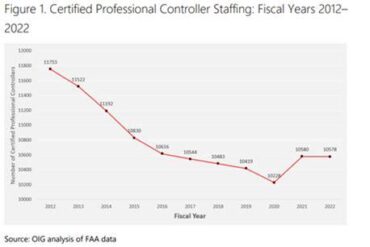
Despite the enthusiastic response to the hiring window, the United States aviation system continues to face a significant shortage of qualified air traffic controllers. Over the past decade, the workforce has steadily declined as experienced personnel retire faster than new controllers can be trained.
At the same time, flight operations across the country have increased by roughly 10%, creating a widening gap between air traffic demand and staffing levels. Several factors have contributed to this imbalance:
- Retirement of veteran controllers
- Temporary hiring freezes and government shutdowns
- Training disruptions during the COVID-19 pandemic
- Growing air travel demand across major hubs
The FAA estimates the system is currently short by thousands of controllers, forcing facilities to operate with tighter staffing margins than ideal. While the aviation network continues to function safely, industry leaders have emphasized the need for accelerated recruitment and training to prevent future operational strain.
The Demanding Path to Becoming an Air Traffic Controller
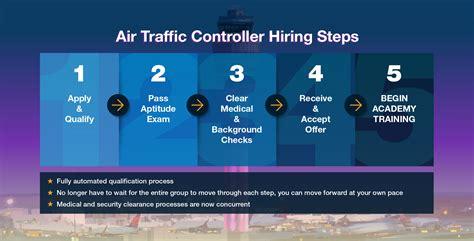
Even though thousands of applicants rush to submit their resumes, only a small percentage ultimately succeed. The FAA’s selection process is designed to filter candidates through multiple layers of testing before they ever step into a control facility.
Applicants must pass a sequence of evaluations that measure aptitude, mental processing speed, situational awareness, and stress tolerance. Candidates who clear these hurdles must also undergo medical examinations and federal security clearance reviews. Only then are successful applicants invited to attend the FAA Academy in Oklahoma City.
Training at the academy typically lasts four to six months, where recruits learn the fundamentals of radar operations, airspace rules, aircraft separation standards, and emergency management procedures. However, graduating from the academy is only the beginning. Controllers must complete extensive on-the-job training at operational facilities, gradually earning certifications across different sectors of airspace.
From the initial application to full certification, the journey often takes up to six years. This prolonged timeline ensures that controllers develop the precision, composure, and expertise required to manage the country’s complex aviation infrastructure.
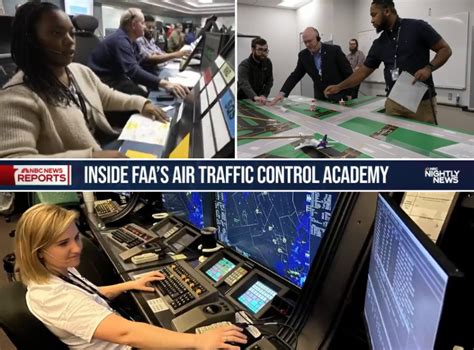
Inside the United States Air Traffic Control System
The United States maintains one of the most sophisticated air traffic control systems in the world, divided into three core operational components managed by the FAA. Each plays a distinct role in ensuring aircraft move safely and efficiently from departure to arrival.
Air Route Traffic Control Centers (ARTCC) oversee aircraft flying at cruising altitude across large regional airspace sectors. There are 22 ARTCC facilities nationwide, including centers in Atlanta, Denver, Chicago, Seattle, and New York. These centers coordinate long-distance traffic and manage aircraft transitions between regions.
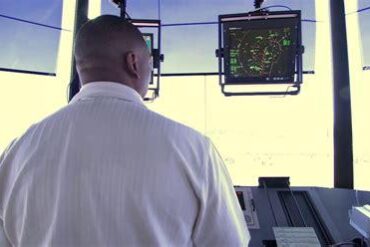
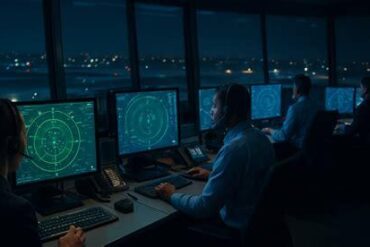
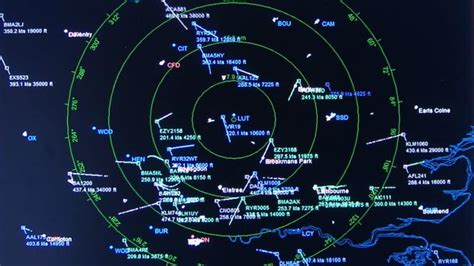
Terminal Radar Approach Control (TRACON) facilities handle aircraft operating within roughly 50 miles of major airports. Controllers here sequence arrivals and departures while coordinating closely with both ARTCC centers and local control towers.
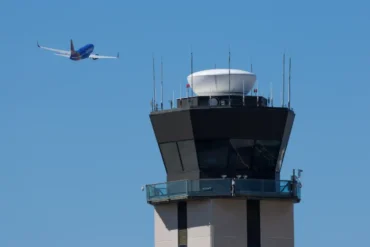
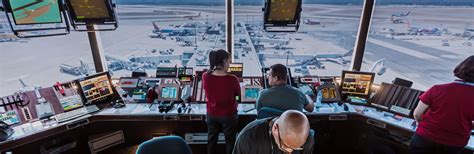
Finally, Airport Traffic Control Towers (ATCT) manage the most visible part of the operation: ground movements, takeoffs, and landings. Tower controllers maintain constant communication with pilots as aircraft taxi, depart, and approach the runway.
Together, these three systems coordinate millions of flights each year through a complex network of sector management, radar tracking, and airspace handoffs. Every safe landing and smooth departure relies on the precise teamwork of controllers working across these interconnected facilities.
A Promising Signal for Aviation’s Future Workforce
The rapid influx of applications demonstrates that the next generation of aviation professionals is ready to step forward. While only about 2% of applicants ultimately qualify for full training, the strong response indicates that the FAA’s evolving recruitment strategy is reaching new audiences.
For those who succeed, the rewards are substantial. Within several years of certification, many controllers earn six-figure salaries, along with the pride of working at the heart of one of the most complex transportation systems on Earth.
As air travel continues to expand and new aircraft technologies reshape global aviation, the need for skilled air traffic controllers will only grow. The thousands of applicants rushing to join the profession suggest that the pipeline of talent—while selective—remains vibrant and determined.