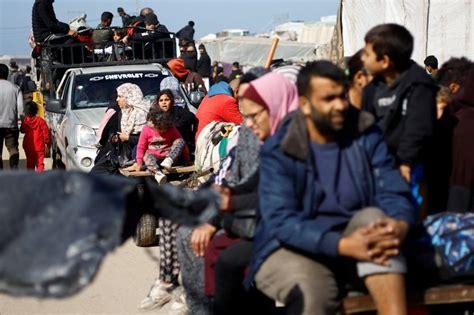
In recent weeks, New Zealand has experienced a significant influx of visa applications from individuals and families affected by the ongoing conflict between Israel and Iran. Between June 1, 2025, and the onset of hostilities on June 13, nearly 300 visa applications were submitted to Immigration New Zealand (INZ). This dramatic increase reflects the urgent desire for safety and stability among those caught in the crossfire of escalating tensions.
The turmoil began when Israel launched an airstrike against Iranian nuclear facilities, igniting fears and prompting many to seek refuge or temporary stays in New Zealand. The Acting Director of Visas at INZ, Marcelle Foley, articulated the agency’s awareness of the hardships faced by applicants, emphasizing their commitment to providing support during these challenging times. Foley noted, “We understand the difficult situation this crisis is causing for many and have great sympathy for those separated from their loved ones during this stressful time.”
As of early July, Immigration New Zealand reported a total of 277 visa applications from nationals of Israel, Palestine, and Iran. Notably, the majority of these applications—230 in total—came from Iranian nationals. Among these, 93 applications have been approved, while seven have been declined, leaving the remainder either under assessment or withdrawn by the applicants. This statistic underscores the overwhelming need for assistance amid the chaos of war.
Israeli nationals have also shown a keen interest in relocating or visiting New Zealand temporarily, with 41 visa applications submitted since the beginning of June. Of these, 24 have been approved, and one has been declined, with the remainder still pending review. Additionally, six applications from Palestinian nationals were recorded, resulting in two approvals thus far, with the rest still awaiting processing.
The sharp increase in visa applications is intricately linked to the violent conflict that has erupted between Israel and Iran, which has thrown countless families into uncertainty and distress. Many individuals are not only seeking safety but are also desperate to reunite with loved ones who may be stranded due to the ongoing violence. Foley’s comments reflect a broader understanding within the New Zealand government of the psychological toll that such crises take on families: “We recognize the difficult position that applicants find themselves in and are doing our best to facilitate their needs.”
One of the critical aspects of New Zealand’s immigration process is its Electronic Travel Authority (NZeTA) system. Since its implementation, the NZeTA has served as a streamlined method for travelers from specific countries, including Israel, to enter New Zealand for short stays without needing a traditional visa. Since October 7, 2023, 8,634 NZeTA approvals have been granted to Israeli nationals, showcasing New Zealand’s openness and willingness to accommodate those in distressing situations.
For individuals applying for regular visas, the process involves several steps, including the verification of documents, background checks, and security assessments. The recent surge in applications has inevitably increased the workload for Immigration New Zealand, prompting the agency to work diligently to assess applications and expedite approvals wherever possible. However, they have also cautioned that the approval rate for applicants from the affected regions may fluctuate depending on the outcomes of these security and background checks. This increased scrutiny is essential to ensure that individuals seeking entry into New Zealand meet the country’s immigration requirements while also addressing humanitarian considerations.
As the conflict between Israel and Iran continues to unfold, New Zealand remains a beacon of stability and safety for those affected. The government’s approach balances national security concerns with a commitment to humanitarian assistance, reflecting the country’s core values. The ongoing situation is expected to maintain pressure on Immigration New Zealand, which will continue to receive applications from these regions. The agency is dedicated to providing timely and compassionate responses to individuals seeking to reunite with family members or escape perilous circumstances.
The human impact of visa decisions cannot be overstated. For many applicants, securing these visas means more than just obtaining permission to travel; it represents a critical lifeline to safety and the opportunity to reconnect with family members who have been displaced or adversely affected by violence. As Immigration New Zealand processes these applications, it is acutely aware of the emotional significance these visas hold for families impacted by the conflict.
In conclusion, the rise in visa applications from Iranian, Palestinian, and Israeli nationals is indicative of the broader challenges facing the world today. It highlights New Zealand’s role as a sanctuary for those seeking refuge during turbulent times. Decisions made during this crisis will not only influence the future of the applicants but will also reinforce New Zealand’s reputation as a welcoming destination for people in search of safety and stability. The commitment to maintaining a transparent, impartial, and secure process stands as a testament to the country’s dedication to humanitarian values amidst the complexities of global conflicts.