
El Al has initiated a crucial emergency repatriation plan, responding to the urgent needs of thousands of Israelis stranded abroad due to the sudden closure of Israel’s airspace. The first flight from Cyprus successfully landed at Ben Gurion Airport, marking a significant step in a meticulously coordinated mission designed to bring home those affected by geopolitical tensions. As international travel remains paralyzed, El Al’s rapid response has become a beacon of hope for many families anxiously waiting for their loved ones to return.
This unprecedented situation arose following an unexpected strike on Iran, prompting Israeli authorities to close airspace as a precautionary measure. With up to 150,000 Israelis unable to return home, El Al swiftly mobilized its resources to execute a series of eight flights originating from key European cities: Cyprus, Budapest, Rome, Athens, Milan, and London. These flights are not just logistical feats; they represent emotional lifelines for families separated by circumstances beyond their control.
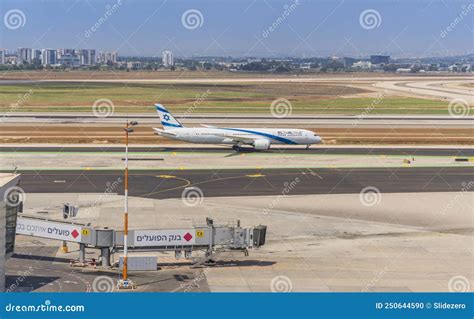
The first flight, which arrived from Cyprus, set the tone for the subsequent operations, bringing not just passengers but also a wave of relief to families awaiting reunions. The urgency of this repatriation mission cannot be overstated, as each flight operates under stringent security protocols and necessitates approval from various defense agencies. Ground teams are stationed at each departure point across Europe, ready to assist travelers who have faced disruptions and uncertainty.
The Scale of the Crisis: Understanding the Implications
The decision to close the airspace has had a ripple effect on both the tourism sector and the emotional state of travelers. Hotels in Israel, particularly in popular destinations like Jerusalem and Eilat, have seen a surge in cancellations, with local businesses bracing for the economic toll that follows such abrupt changes. Tour operators have scrambled to reassign guests, navigating the complexities of a travel landscape now fraught with challenges.
This situation emphasizes the interconnectedness of global travel and geopolitics. As travelers find themselves stuck in foreign countries, the emotional toll heightens, with families left in limbo, unsure of when they will be reunited. Social media platforms have become forums for shared experiences, where stories of anxiety, hope, and relief intermingle as people await updates on flight statuses and government announcements.
El Al’s Response: A Model for Crisis Management
El Al’s approach to this crisis showcases a robust contingency plan tailored for emergency situations. With each flight prioritizing those whose travels were disrupted due to canceled flights and urgent humanitarian needs, the airline is committed to ensuring that every passenger’s journey home is handled with care and urgency. The operational logistics of coordinating multiple flights under such tense conditions demonstrate a high level of expertise in crisis management.
Passengers boarding these repatriation flights experience a complex mix of emotions. While relief accompanies their return, there is an underlying guilt for those who are still abroad, awaiting their chance to fly home. At Ben Gurion Airport, the atmosphere is charged with anticipation, as families eagerly await the arrival of loved ones, holding their breaths as each flight touches down.
The Broader Impact on the Travel Industry
As airlines worldwide monitor the developments of this crisis, it is evident that the ramifications extend beyond immediate repatriation efforts. El Al’s swift action serves as a benchmark for other carriers, illustrating the importance of having flexible and responsive strategies in place during times of geopolitical uncertainty. The industry must adapt to these realities, evolving ticketing systems to accommodate last-minute changes and implementing flexible cancellation policies that can alleviate some of the stress placed on travelers.
With many travelers now prioritizing safety and reliability over leisure, the need for airlines to build strong crisis management frameworks has never been more apparent. The travel industry is witnessing a shift in consumer behavior, where loyalty may hinge on how effectively airlines navigate challenging circumstances and ensure passenger safety.
Looking Ahead: Future Flights and Continued Coordination
As El Al prepares for the second flight to depart from Budapest, anticipation builds among the many Israelis still waiting for their chance to return home. Flights from Athens, Milan, Rome, and Luton are scheduled to follow, each requiring meticulous planning and coordination. The reopening of airspace remains uncertain, adding another layer of complexity to an already intricate situation.
Families waiting abroad cling to hope, each flight a potential lifeline. The dynamic nature of this mobilization highlights the critical role that air travel plays in connecting people—not just for leisure but as a means of survival and support during turbulent times. As El Al continues its mission, it serves as a reminder that travel is not merely about destinations but also about the bonds that tie families and friends together across distances.
In conclusion, as the world watches this unfolding situation, the lessons learned from El Al’s emergency repatriation efforts will likely inform future strategies within the aviation industry. The need for resilience in travel planning has become increasingly clear, underscoring the necessity for airlines and governments alike to act swiftly in the face of adversity. With thousands of passengers still awaiting their flights, the urgency of this mission remains palpable, shaping the future of travel in a world where geopolitical tensions can abruptly alter the course of lives.