Dubrovnik: A Case Study in Overtourism
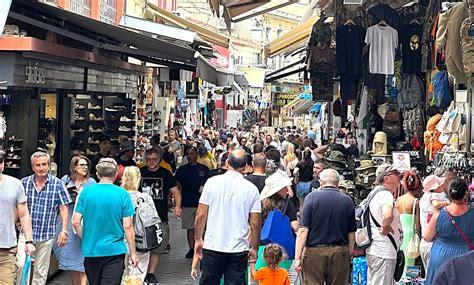
Dubrovnik, often referred to as the “Pearl of the Adriatic,” is at the forefront of this crisis. The city has seen an astonishing ratio of twenty-seven tourists per resident annually, transforming what was once a tranquil escape into a bustling maze of crowded streets and overwhelmed infrastructure. The Game of Thrones phenomenon has played a significant role in this influx, attracting global fans eager to walk the same cobblestone paths and capture the essence of the city’s medieval charm.
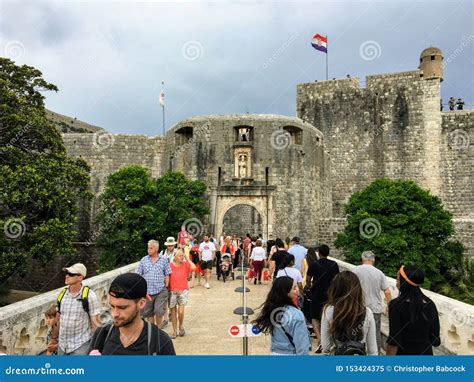
In response to these challenges, Dubrovnik’s local authorities have introduced several crowd-control measures. These include limiting the number of daily cruise ship arrivals, imposing time slots for tour buses, and implementing reservation systems for popular landmarks. Despite these efforts, many residents feel sidelined by the rapid changes brought about by mass tourism. The soaring property prices, now beyond affordability for many locals, coupled with stretched public services, have led some to relocate outside the city.
Athens: The Struggles of a Historic Capital
Athens, Greece’s historic capital, ranks second in the analysis of overcrowded cities. Renowned for its ancient landmarks and rich cultural treasures, Athens has experienced a sharp increase in tourist numbers in recent years, raising significant concerns about sustainability. To address these mounting pressures, the Greek government has rolled out multiple countermeasures.
Among these initiatives are caps on cruise ship dockings, the introduction of a climate crisis levy on accommodations, and a revamped tourist tax aimed at preserving the country’s fragile cultural and environmental assets. However, the challenge remains daunting as the city struggles to balance the needs of tourists with those of its residents.
Venice: A City on the Brink
Venice, one of Europe’s most iconic destinations, finds itself in a precarious situation, ranking third in the study with twenty-one tourists per resident. The city, which has been sinking approximately twenty-five centimeters over the past century, is literally being submerged by its popularity. The ongoing issues of rising sea levels and climate change compound the problem, but the sheer volume of foot traffic from visitors exacerbates the strain on Venice’s delicate ecosystem.
In an effort to combat overtourism, the city has implemented unprecedented measures, including entrance fees for day-trippers and promoting sustainable tourism that respects both the environment and the local populace. These actions aim to protect the city’s historical integrity while ensuring that it remains accessible to genuine travelers who wish to explore its beauty responsibly.
The Economic Implications of Overtourism
The report highlights key drivers of overtourism across Europe, many of which are economic in nature. Low-cost airlines have made weekend city breaks and international travel more accessible than ever before, enticing millions to flock to these famous cities. Additionally, peer-to-peer accommodation platforms like Airbnb have proliferated lodging options, often at the expense of long-term rentals for locals. The impact of cruise ships cannot be understated, as they deposit thousands of tourists at once into city centers ill-equipped for such surges.
While tourism remains a vital pillar of economic activity across the continent, the unintended consequences are increasingly visible—and difficult to ignore. Local communities, cultural heritage sites, and public infrastructure are all under pressure. The cities of Dubrovnik, Athens, and Venice serve as case studies in what occurs when tourism exceeds the capacity of a destination.
A Call for Sustainable Tourism Practices
Experts suggest that the future of travel in Europe necessitates a more sustainable and regulated approach. This includes encouraging visitors to explore lesser-known destinations, implementing stricter environmental policies, and fostering tourism that benefits both travelers and the communities they visit. Urgent measures are being taken to protect these iconic cities from the growing impact of overtourism.
As travelers plan their next European adventure, they are urged to consider the broader impact of their footprints. Simple actions such as visiting during off-peak seasons, supporting local businesses, and respecting community guidelines can collectively help preserve the continent’s rich cultural legacy for generations to come.
Conclusion: A Shared Responsibility
The challenges faced by Dubrovnik, Athens, and Venice are emblematic of a larger crisis affecting many tourist hotspots around the world. As the number of visitors continues to rise, it becomes increasingly essential for all stakeholders—governments, local communities, and tourists—to work together in preserving these cultural treasures. The future of these cities depends not only on the implementation of effective policies but also on the willingness of travelers to engage in responsible tourism practices that honor the places they visit and the people who call them home.