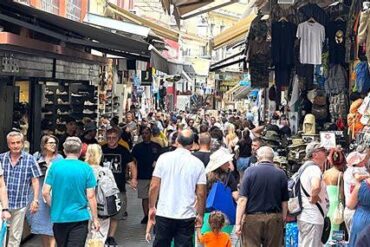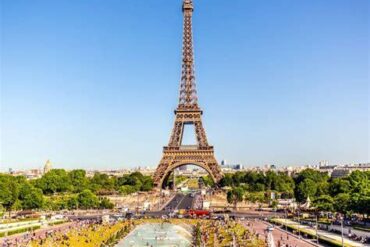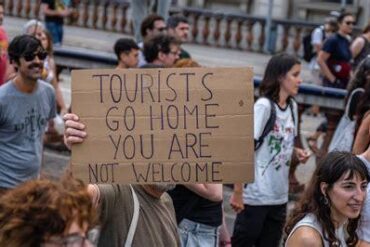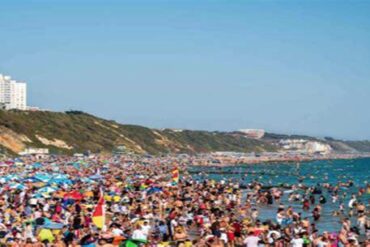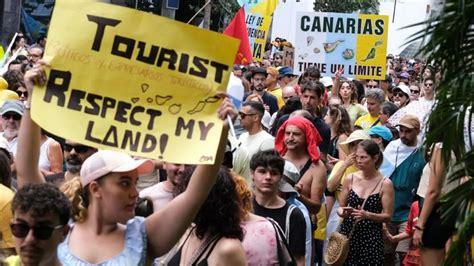
Europe, a continent rich in cultural heritage and breathtaking landscapes, has long been a magnet for travelers worldwide. However, the surge in tourism numbers has reached alarming levels, leading to a crisis known as overtourism. Countries like Spain are now joining the ranks of Italy, Greece, France, and Croatia in grappling with the overwhelming influx of tourists. In 2024, Europe welcomed over 747 million international travelers, shattering previous records and intensifying the strain on infrastructure, local environments, and community well-being. As tourism continues to boom, cities such as Barcelona and Venice face the daunting challenge of maintaining their charm while dealing with the negative consequences of mass tourism.
Understanding Overtourism: A Double-Edged Sword
Overtourism is not merely about overcrowding; it embodies a broader spectrum of issues that arise when the number of tourists surpasses the capacity of a destination to accommodate them sustainably. The consequences manifest in various ways, including:
- Environmental Degradation: Increased pollution and waste threaten local ecosystems.
- Cultural Erosion: The unique identity of destinations diminishes as local cultures adapt to cater to tourist demands.
- Economic Strain: Rising property prices and housing shortages force locals out of their neighborhoods.
As Barcelona grapples with its identity amid throngs of visitors, the city serves as a poignant example of how overtourism can impact residents’ quality of life.
The Surge in Tourist Numbers: What’s Behind the Boom?
Several factors contribute to the explosion in tourism across Europe, particularly in Southern and Western regions. The rise of budget airlines has made air travel more accessible, allowing travelers from diverse backgrounds to explore iconic destinations. Additionally, the influence of social media cannot be underestimated; Instagram and other platforms showcase stunning visuals that entice potential visitors. Furthermore, advancements in artificial intelligence have simplified travel planning, enabling tourists to create detailed itineraries with ease.
Despite these advantages, the uneven distribution of tourists across seasons exacerbates the problems faced by popular destinations. Major cities experience extreme seasonal surges, resulting in overcrowded attractions and infrastructure strains. Consequently, local residents often find themselves living in environments profoundly altered by mass tourism.
Case Studies: Cities Under Siege
Barcelona: The Water Gun Protest Movement
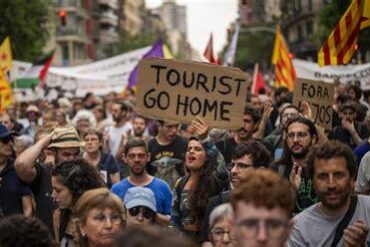
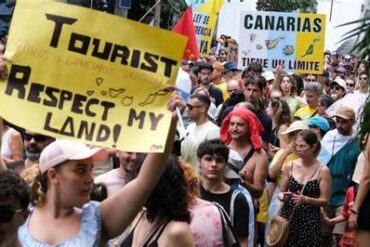
In Barcelona, the vibrant capital of Catalonia, discontent among locals has boiled over into public protests. One of the most notable expressions of resistance is the water gun protest, where residents armed with water guns target unsuspecting tourists while brandishing signs that read, “One more tourist, one less resident!” This movement highlights the growing tensions between the needs of locals and the relentless tide of international visitors.
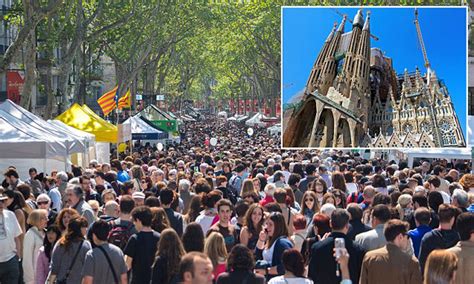
The city’s iconic spots, such as La Rambla and Sagrada Familia, have become synonymous with overcrowding. The proliferation of short-term rental properties listed on platforms like Airbnb has compounded the issue, inflating rental prices and contributing to a housing crisis that forces locals out of their homes. As the city grapples with its identity, the challenge remains: how to balance its reputation as a tourist hotspot with the needs of its residents?
Venice: A City on the Brink
Venice, renowned for its canals and historic architecture, faces an existential threat as it struggles to manage the influx of over 30 million visitors annually. The delicate ecosystem that sustains this unique city is under siege, with damage to its iconic buildings and waterways becoming increasingly apparent. Residents express frustration over the lack of affordable housing, as many properties are transformed into tourist accommodations, driving up rents and displacing locals.
Efforts to mitigate the effects of overtourism include the introduction of tourist entry fees aimed at controlling visitor numbers and generating revenue for infrastructure maintenance. However, Venice’s situation serves as a cautionary tale of the dangers posed by unchecked tourism.
Mykonos and Santorini: The Strain of Mass Tourism in Greece
In Greece, the islands of Mykonos and Santorini epitomize the challenges of overtourism in the Aegean Sea. Once tranquil havens, these islands now grapple with the consequences of mass tourism. During peak summer months, overcrowded beaches and traffic jams have become the norm. The local environment is strained, as rapid development and tourist demands threaten the islands’ natural beauty.
As the charm of these destinations erodes under the weight of excessive visitors, local communities face the challenge of preserving their authenticity while catering to the ever-growing demand from international tourists.
Addressing Overtourism: Solutions and Measures
In response to the escalating concerns surrounding overtourism, European countries and cities are implementing measures aimed at curbing its negative impacts. These strategies focus on managing tourist numbers while ensuring that tourism remains a sustainable source of revenue for local economies without compromising the quality of life for residents.
Introducing Tourist Taxes and Entry Fees
Cities like Venice have reintroduced entry fees targeting day-trippers to alleviate overcrowding. Similarly, Barcelona is exploring stricter regulations on short-term rentals to combat housing shortages exacerbated by tourism. The scrutiny faced by platforms like Airbnb highlights the urgent need for legislation to limit the number of properties available for tourist rentals, thereby safeguarding local housing markets.
Promoting Off-Peak Travel and Alternative Destinations
To alleviate the pressure on congested tourist hotspots, many destinations are actively promoting off-season travel and alternative locations. Greece has begun encouraging visitors to explore lesser-known islands, such as Kefalonia and Naxos, which offer similar stunning landscapes without the overwhelming crowds. In Florence, campaigns aimed at boosting winter tourism feature discounts on accommodations and attractions, incentivizing travelers to visit during less popular months.
Leveraging Technology for Better Tourism Management
Italy’s Tourism Minister, Daniela Santanchè, advocates for utilizing artificial intelligence to better manage tourist flows, particularly in cities like Florence, where overcrowding is most pronounced. By enabling tourists to pre-book tickets months in advance, AI can facilitate a more controlled and enjoyable experience at Italy’s top attractions, reducing the chaos often associated with mass tourism.
The Future of European Tourism: A Sustainable Approach
As European cities confront the challenges posed by overtourism, a shift toward sustainability is paramount. Initiatives promoting eco-tourism and responsible travel are gaining traction across the continent. France and Germany, for instance, encourage visits to national parks and rural areas, which helps distribute tourism more evenly while minimizing environmental impact. Tour operators throughout Europe are embracing sustainable practices, emphasizing local experiences, eco-friendly transportation, and attractions that are less likely to be overwhelmed by tourists.
Empowering Local Communities
Local communities play a vital role in managing the effects of overtourism. In Barcelona, grassroots movements advocate for policies that preserve neighborhood authenticity amidst the transformation driven by tourism. Residents voice concerns over the proliferation of tourist-centric businesses, pushing back against the commodification of their neighborhoods. In Venice, anti-tourism protests underscore the urgent need for local authorities to address the challenges posed by mass tourism and prioritize the well-being of residents.
Conclusion: A Path Forward for European Tourism
As iconic destinations like Barcelona, Venice, Santorini, and Mykonos continue to draw massive crowds, the imperative for sustainable tourism practices grows ever clearer. The future of tourism in Europe hinges on finding a balance between welcoming visitors and preserving the integrity of local cultures and environments. Through proactive measures, technological advancements, and active participation from local communities, a new era of responsible tourism can emerge—one that allows travelers to experience the beauty of Europe while ensuring that the unique charm of its destinations endures for generations to come.