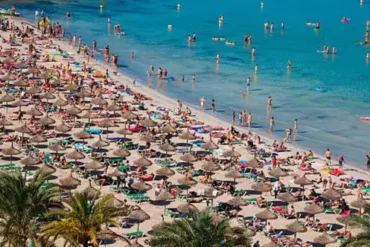
Spain, renowned for its stunning landscapes, rich history, and vibrant culture, has recently taken decisive action against the challenges posed by rampant tourism in its most popular destinations. With a staggering 94 million international tourists flocking to the country in 2024, including a significant number from the United Kingdom, the government has recognized the urgent need for reforms. These new regulations aim to mitigate the negative impacts of mass tourism, addressing residents’ growing concerns about overcrowding, rising living costs, and public disturbances.
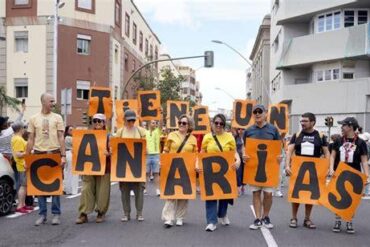
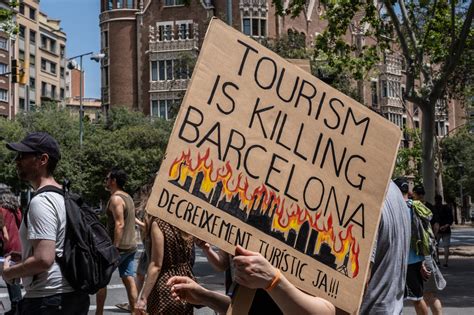
The introduction of these bold measures comes as a response to escalating tensions among locals who have increasingly voiced their frustrations over the disruption caused by tourists. The situation came to a head during protests that erupted in cities like Barcelona and Palma de Mallorca, where thousands rallied for change, urging authorities to take immediate action. Protesters in Barcelona famously targeted tourists with water pistols, lamenting the city’s transformation into what they termed a “giant theme park”.
In light of these developments, local governments across Spain are implementing a suite of regulations designed to manage tourist behavior and alleviate pressure on communities. Below, we explore the key changes you should be aware of if you plan to visit Spain in the near future.
Updated Tourism Regulations in Spain
Balearic Islands Tourist Tax
The Balearic Islands, which include popular tourist spots such as Mallorca, Menorca, Ibiza, and Formentera, have introduced a revised tourist tax aimed at managing visitor numbers and generating revenue for local infrastructure. While the exact implementation dates are pending final approval, travelers can expect the following changes:
- The nightly tourist tax is projected to increase from £3.36 to £5.04 per person, varying based on accommodation type and quality.
- Those staying at four- and five-star hotels during peak months (June, July, and August) may face weekly charges as high as £35.31.
- Cruise passengers will see a significant hike in fees, with overnight rates rising by 200%.
- Exemptions apply for visitors arriving in January or February, as well as children under 16.
Barcelona’s Tourist Levy Set to Double
In Barcelona, the situation is no different. Authorities are preparing to double the existing tourist levy, set to be implemented by the end of 2025. The tax will vary based on accommodation type, reaching up to £12.40 per night for certain hotel guests. Notably, children under 16 will remain exempt from this fee, but tourists staying in short-term rental apartments will also be subject to increased charges.
New Alcohol Limits in Party Hotspots
Recognizing the need to curb excessive drinking and its associated consequences, Spain has introduced new alcohol consumption limits in popular party areas, specifically in locations such as Playa de Palma, S’Arenal, and Magaluf in Mallorca, as well as the West End of San Antonio in Ibiza. Under these regulations, tourists will be limited to six alcoholic drinks per day—three at lunch and three at dinner. Additionally, pub crawls have been banned in heavily affected regions, a move aimed at fostering a more enjoyable atmosphere for both visitors and locals alike.
Stricter Regulations for Walking Tours
To enhance the experience for tourists while reducing congestion in historic areas, walking tours in Palma will now be limited to a maximum of 20 participants per group. This regulation aims to ensure that both guides and tourists can navigate the city’s attractions more comfortably. However, the specifics of enforcement remain to be clarified, and larger walking tours of up to 70 people are still permitted in other parts of the Balearic Islands.
Changes to Cash Usage
As part of a broader modernization effort, Spain is also moving towards reducing cash transactions. Starting in July, businesses will likely refuse damaged or crumpled €50 notes, a change aimed at enhancing currency security and reducing fraud risks. While smaller denominations like €5, €10, and €20 will remain widely accepted, travelers should be prepared to adjust their payment habits accordingly.
Gran Canaria’s Comprehensive Beach Conduct Rules
Gran Canaria has taken stringent measures to maintain the integrity of its beaches by enforcing a comprehensive list of prohibited items and activities. Tourists caught breaking these rules could face fines as steep as £2,517. Prohibited actions include:
- Smoking or vaping in designated sunbathing areas.
- Playing music in public coastal zones.
- Cooking or barbecuing on the sand.
- Reserving sunbeds or spots on bathing platforms.
- Engaging in sexual activity in public areas.
These regulations aim to preserve the natural beauty of the islands while ensuring a pleasant experience for all beachgoers. Minor violations may incur fines ranging from £25 to £629, while more serious breaches could lead to penalties of up to £2,517.
Mallorca’s Access Restrictions to Sóller’s Town Center
In response to mounting tourist traffic, Sóller, a historic town in Mallorca, has implemented new traffic restrictions to protect its charm and accessibility. Approximately 70 hectares of the town center will be designated as a “residents-only” driving zone, effectively barring non-resident vehicles, including rental cars, from entering. Visitors will need to park in designated areas outside the center, allowing residents to enjoy a quieter and less congested environment.
Nighttime Alcohol Sales Ban
To address alcohol-related disturbances, several key tourist areas in Mallorca and Ibiza have imposed a ban on late-night alcohol sales. This regulation prohibits the sale of alcoholic beverages between 9:30 p.m. and 8:00 a.m. and extends to drinking in public spaces during these hours. The restrictions apply not only to bars and shops but also aim to curb excesses associated with nighttime activities, thereby promoting a more respectful atmosphere in these vibrant locales.
Clarification on Malaga’s ‘Three-Year’ Ban Rumors
Recently, rumors circulated regarding a supposed three-year ban on tourists in Malaga. Authorities have clarified that no such blanket ban exists. Instead, the focus is on specific behaviors that violate local laws, allowing for targeted restrictions rather than an outright exclusion of visitors. A new law limits the registration of new short-term holiday rentals in 43 districts, alleviating housing pressure in densely populated neighborhoods. While this measure is set for an initial period of three years, officials have indicated that its impact will determine whether it continues.
Conclusion: A New Era for Spanish Tourism
As Spain rolls out these comprehensive regulations, the overarching goal is clear: to strike a balance between welcoming tourists and preserving the quality of life for residents. By implementing these bold reforms, Spain aims to create a sustainable tourism model that respects local communities while still offering visitors the chance to experience its unparalleled beauty and culture. Travelers planning to visit Spain in the coming months should stay informed about these changes to ensure a smooth and enjoyable trip.