Overtourism has become a pressing challenge for many of Europe’s most cherished destinations, creating a complex web of issues that threaten local communities, ecosystems, and cultural heritage. From the sun-drenched shores of the Canary Islands to the alpine peaks of Switzerland, and from Spain’s vibrant coastlines to the bustling streets of Berlin, leaders are stepping up with innovative, sustainable solutions to restore balance between visitors and residents.
The Canary Islands: From Protest to Policy Reform
The Canary Islands, famed for their year-round sunshine and breathtaking landscapes, have reached a critical juncture in their relationship with tourism. In the summer of 2025, thousands of residents staged mass protests, voicing concerns over housing shortages, environmental degradation, and the overwhelming influx of visitors that strain local resources. This unprecedented outcry highlighted the urgency for concrete action.
Local authorities responded by proposing tourist quotas in heavily impacted areas like Lanzarote and Tenerife. These measures aim to limit daily visitor numbers, preserving fragile ecosystems and easing the burden on infrastructure. Furthermore, plans for a tourism tax are under review, with revenues earmarked for environmental conservation, public amenities, and improved visitor management systems. By addressing overtourism through regulation and reinvestment, the Canary Islands are striving to create a sustainable model that balances economic benefit with community wellbeing.

Switzerland: Pioneering the Swisstainable Model
Switzerland, a destination synonymous with natural beauty, has embarked on a mission to reimagine tourism through its Swisstainable initiative. The program focuses on year-round tourism distribution, sustainable transport, and local economic engagement. Recognizing the pressures on hotspots like Zermatt and Lauterbrunnen, Swiss tourism authorities are promoting travel to lesser-known regions and off-peak seasons.
Central to this effort is Switzerland’s investment in eco-friendly public transport, including expanding its electric train and bus networks. The Swiss Federal Railways (SBB) has introduced incentives for travelers who choose low-emission rail options, encouraging visitors to forgo private cars. Funds from local tourism taxes are being reinvested to maintain natural attractions and public services, ensuring that tourism enhances rather than erodes the local environment. High-profile campaigns, such as those featuring tennis legend Roger Federer, further support this vision by spotlighting the country’s off-season charms.

Spain: Smart Destinations and Regional Revitalization
As one of the world’s top tourist magnets, Spain has long grappled with the duality of tourism’s economic benefits and its disruptive impact. In response, Spanish authorities have embraced a technology-first approach combined with regional diversification to better manage visitor flows. The 2025 launch of the Smart Destinations app exemplifies this strategy, offering real-time data on crowd levels, weather, and environmental conditions, empowering tourists to make informed, sustainable choices.
Efforts to curb unregulated accommodation have also intensified. The removal of 66,000 non-compliant Airbnb listings in key regions like Catalonia and the Balearics marked a significant step toward restoring balance in local housing markets. Additionally, Spain’s tourism taxes have been redesigned to encourage longer stays, rewarding visitors who engage more deeply with local communities. The Paradores of Spain initiative invites travelers to discover historic and rural sites, distributing tourism beyond crowded coastal hubs.

Berlin: A City Leading by Green Example
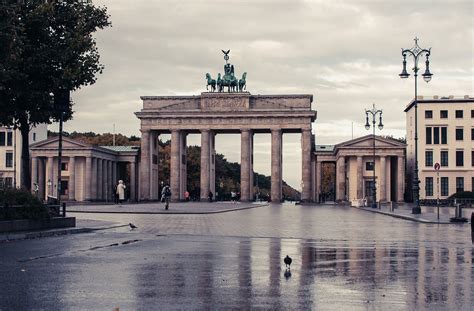
In 2025, Berlin set a new standard for urban tourism management with its sustainability-focused rewards program. Tourists who participate in eco-conscious activities — from waste clean-up drives to tree planting events — gain access to discounts, free tours, and exclusive experiences. The initiative, inspired by Copenhagen’s green model, aims to foster positive visitor behavior while strengthening ties between tourists and residents.
Complementing this is Berlin’s investment in bike-friendly infrastructure and promotion of the 15-minute city concept, where key attractions and services are accessible within a short walk or cycle. Eco-hotels and sustainable retail outlets have flourished under this green vision, offering visitors the chance to explore Berlin with a reduced environmental footprint.
A Shared Vision for Sustainable Tourism in Europe
The proactive measures adopted by the Canary Islands, Switzerland, Spain, and Berlin demonstrate a shared commitment to transforming tourism into a force for good. By blending policy innovation, technological advancement, and community engagement, these destinations are charting a path towards tourism models that respect both local livelihoods and the environment. The journey toward true sustainability is ongoing, but the pioneering efforts in these regions provide a powerful blueprint for the rest of Europe and the world.