The landscape of global travel is undergoing a seismic shift in 2025. As overtourism protests intensify across Europe—from the sun-baked beaches of the Canary Islands to the crowded boulevards of Barcelona—the travel industry finds itself at a crossroads. Tourists, once welcomed unconditionally, are now met with caution, and in some cases, resistance. The demand for a new model of tourism—one that respects local cultures, protects the environment, and supports community welfare—has never been louder. In response, Switzerland, Spain, and Berlin have emerged as pioneers of a bold, sustainable tourism renaissance, unveiling innovative measures that could redefine how the world experiences travel in the coming decade.
Switzerland’s Swisstainable Revolution: A Blueprint for Eco-Conscious Exploration
Nestled in the heart of Europe, Switzerland has transformed its pristine image into practical action. The rollout of the Swisstainable strategy is more than just a policy—it’s a philosophy that permeates every facet of the country’s tourism infrastructure. Central to this vision is the nationwide transition to hydroelectric-powered trains, making Switzerland’s rail network one of the greenest on the planet. In 2025, all major Swiss rail lines now operate on 100% renewable energy, providing travelers with guilt-free access to the Alps, lakes, and charming villages.

Equally significant is the shift toward decentralizing tourism. Recognizing the overburdening of hotspots like Zermatt and Interlaken, Swiss tourism authorities are now promoting lesser-known gems such as Val Müstair and Jura. Through generous public transport discounts tied to bookings at Swisstainable-accredited accommodations, travelers are nudged toward destinations that offer the same alpine beauty without the crowd.
Celebrity ambassador Roger Federer, an icon of Swiss elegance, is leading the charge in promoting off-season travel through high-profile campaigns. These efforts encourage visitors to consider Switzerland during spring and autumn, distributing tourist traffic more evenly across the calendar year.
The approach doesn’t end with transportation or destination marketing. Visitors are encouraged to embrace slow travel, indulge in local produce, and engage with community-led experiences, reinforcing a deep, respectful connection between tourists and the landscapes they explore.
Spain’s Digital Mastery: Smart Destinations for Smarter Travelers
Spain’s response to overtourism is grounded in data, technology, and regulation. In 2025, the country’s Smart Destinations initiative has evolved into a sophisticated digital backbone for sustainable tourism management. At its core lies a real-time analytics platform that aggregates environmental and behavioral data from popular regions like the Canary Islands, the Balearics, and urban hotspots such as Barcelona and Seville.
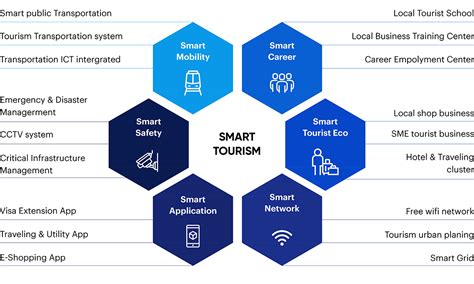
This data feeds into an intuitive mobile app used by tourism boards, hoteliers, and even local governments. Tourists receive live updates on crowd densities, air and sea quality, and unexpected factors like jellyfish activity, allowing them to make informed decisions about where to go. The system helps divert traffic from overburdened sites, preserving both visitor experience and ecological balance.
On the regulatory front, Spain has enacted strict limitations on short-term rentals, particularly through platforms like Airbnb, in cities suffering from housing scarcity. New zoning laws, particularly in Madrid and Barcelona, cap the number of vacation rentals per district. Meanwhile, tourist taxes for short stays are being used not only to fund municipal infrastructure but also to promote extended travel, which tends to be more immersive and less disruptive.
These tech-powered efforts are bolstered by campaigns aimed at drawing attention to emerging destinations within Spain—such as the mountainous Extremadura or the cultural richness of Galicia—shifting tourism flow and revitalizing regional economies.
Berlin’s Reward Economy: Gamifying Green Tourism
While others regulate, Berlin incentivizes. The German capital has rolled out one of Europe’s most innovative sustainability incentive programs in 2025. Visitors who participate in eco-conscious activities—such as cycling tours, tree planting events, or volunteering in urban gardens—are rewarded with cultural credits. These can be exchanged for free museum passes, discounts at eco-hotels, or guided walking tours.

This approach reflects Berlin’s deep commitment to its identity as a green metropolis. The city’s expanding roster of eco-certified hotels and sustainable retailers allows travelers to minimize their environmental impact without sacrificing experience. The 15-minute city framework, adopted widely in 2025, ensures that all essential services—from groceries to galleries—are accessible by foot or bicycle from anywhere in the city.
This hyperlocal model encourages tourists to stay within compact, walkable zones, supporting neighborhood economies and reducing the carbon burden of intra-city travel. Berlin’s infrastructure now prioritizes cycling highways, electric bus fleets, and car-free public squares, creating a city that’s not only better for the planet but more pleasant to explore.
Through gamification, Berlin transforms sustainable travel into a personal achievement, making responsible tourism engaging, rewarding, and memorable.
The Air Travel Dilemma: Unavoidable Emissions and Inevitable Reckonings
Despite local efforts, air travel and cruise tourism remain the glaring contradiction in Europe’s sustainability narrative. In 2025, emissions from international flights and mega-cruise ships continue to surge, dwarfing the benefits of even the most progressive local initiatives. Europe’s tourism sector faces mounting pressure to address this imbalance.
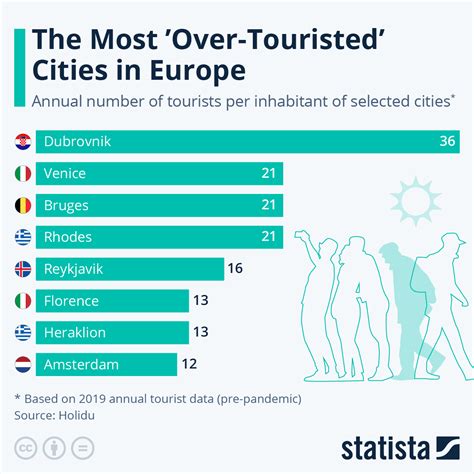
Policy discussions in the EU now revolve around carbon levies on short-haul flights, and several governments—including the Netherlands and France—are pushing for alternatives such as high-speed rail. For coastal cities like Venice and Dubrovnik, new limits on cruise ship disembarkations are being tested, alongside pilot programs that require cruise operators to meet zero-emission standards before docking.
However, without a coordinated, cross-border framework for regulating aviation and maritime emissions, progress remains incremental. Tourists, meanwhile, are being called upon to reassess their travel habits—to favor trains over planes where possible, to stay longer in fewer destinations, and to reduce their annual travel frequency.
Global Lessons: The Ripple Effect of European Innovation
The policies taking root in Switzerland, Spain, and Berlin are not isolated examples—they are potential blueprints for global change. The integration of sustainable transport, data-led decision-making, and community-based tourism represents a shift from the exploitative models of the past to equity-driven tourism ecosystems.
Travelers are no longer passive consumers but active participants in the destination experience. The rise of eco-conscious brands, sustainable travel influencers, and climate-aware tourism operators is redefining what it means to be a global citizen. In this new paradigm, authenticity, mindfulness, and sustainability are not trends—they are prerequisites.
The travel industry, once built on volume and velocity, is now moving toward depth and durability. Switzerland’s environmental rigor, Spain’s digital precision, and Berlin’s social innovation each offer a unique lens on how to balance growth with guardianship.
Looking Ahead: A European Tourism Model for the 21st Century
Europe’s journey to sustainable tourism in 2025 is not without its flaws, but it marks a decisive turn. The continent’s leading destinations are proving that with vision and commitment, tourism can evolve—from a source of tension to a force for regeneration.
For travelers, this means an era of deeper engagement, slower journeys, and greater awareness. For the industry, it means new standards, greater accountability, and a reckoning with the climate crisis. If replicated globally, the solutions born in Europe today could forge a new golden age of travel—one where discovery and preservation walk hand in hand.