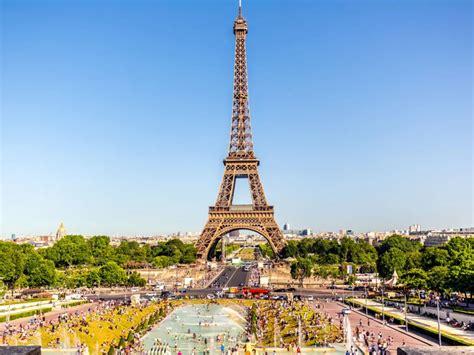
In the wake of the post-pandemic travel boom, iconic cities such as Rome, Paris, and Barcelona are reevaluating their tourism strategies to combat the rising threat of overtourism. The influx of visitors to these cultural epicenters has placed unprecedented pressure on their infrastructure, ecosystems, and rich cultural heritage. As governments, destination managers, and travel services seek to find sustainable solutions, the challenge lies in balancing increasing visitor numbers with the preservation of cultural treasures and ensuring equitable access for all.
Overtourism has emerged as a pressing global issue, prompting cities across Europe and beyond to explore innovative ways to manage visitor flows, control access, and maintain sustainability. Dynamic pricing, timed entry systems, off-season promotions, and digital ticketing are among the diverse strategies being implemented to ensure tourism remains a positive force for both the economy and local communities. This article delves into the proactive steps taken by various countries, including Italy, France, Spain, the United States, the Netherlands, Thailand, Japan, and Australia, to address the challenges posed by overtourism.
Italy: Tackling Ticket Hoarding and Ensuring Fair Access to Cultural Sites
Italy, renowned for its unparalleled cultural heritage, is no stranger to the adverse effects of overtourism. With the resurgence of travel post-pandemic, cities like Rome have witnessed a surge in visitors, particularly at monumental landmarks such as the Colosseum. In response, the Italian government has initiated regulatory measures focused on combating unfair practices that restrict access to cultural sites. A pivotal moment occurred in April 2023 when Italy’s Antitrust Authority (AGCM) imposed a €20 million fine on CoopCulture and several tour operators for allegedly engaging in practices that limited fair access to the Colosseum. This ruling underscored the importance of transparent pricing practices and regulating resellers, ensuring that cultural landmarks remain accessible to all visitors.
As part of its ongoing efforts, Italy is also considering the implementation of dynamic pricing as a tool to manage demand effectively. By adjusting ticket prices based on real-time visitor numbers, this approach aims to mitigate overcrowding during peak times, fostering a more sustainable tourism experience for both tourists and local communities.

France: Louvre Museum’s Struggle with Overcrowding and Pricing Adjustments
In France, the Louvre Museum stands as one of the world’s most visited cultural institutions. However, the staggering number of visitors—over 8.7 million in 2022, effectively doubling the museum’s intended capacity—has precipitated severe overcrowding. This surge has not only strained the museum’s resources but has also ignited protests from staff decrying “untenable” working conditions. In light of these challenges, the French government has earmarked a renovation budget ranging from €730 million to €834 million aimed at expanding museum spaces and enhancing the overall visitor experience. Nevertheless, these improvements will take years to materialize.
In the meantime, the Louvre has raised ticket prices for non-EU visitors, igniting debates over the ethical implications of restricting access to cultural treasures for citizens of countries where these artifacts originated. While this decision is intended to generate necessary funds for preservation efforts, it raises critical questions about how to maintain a balance between accessibility and the integrity of cultural heritage sites. The Louvre’s strategy reflects a broader trend in France, where tourist sites grapple with the dual challenge of managing visitor flows and preserving cultural legacies in the face of mass tourism.
Spain: Managing Visitor Imbalance through Data and Deseasonalization
Spain has also felt the repercussions of overtourism, particularly in bustling cities like Barcelona and Madrid, where record-high tourist numbers have become commonplace. The pressure on popular areas, such as La Rambla in Barcelona, has led to significant overcrowding during peak seasons. One noteworthy initiative launched in Barcelona is the GetYourGuide’s “Observatory” project, which collaborates with local stakeholders, including Barcelona City Hall and Amics de la Rambla, to monitor the economic and social impacts of tourism. This data-driven initiative equips local authorities with insights necessary to craft policies aimed at better managing visitor numbers and alleviating congestion in high-traffic areas.
In tandem with this effort, Civitatis, a prominent Spanish tour operator, has embraced the concept of deseasonalization—spreading tourist demand throughout the year to minimize the strain on popular attractions during peak seasons. By promoting travel during off-peak periods and encouraging visitors to explore lesser-known destinations, Spain is taking critical steps to ensure that its cultural gems can be enjoyed without overwhelming local infrastructure. Furthermore, the incorporation of dynamic pricing strategies allows operators to adjust ticket prices based on demand, offering affordable options during quieter periods while controlling visitor numbers during peak times.
United States: Dynamic Pricing and Visitor Flow Management
In the United States, overtourism poses significant challenges in both urban environments and national parks. Cities such as New York and Boston, alongside natural landmarks like the Great Smoky Mountains and Yellowstone National Park, are grappling with increasing visitor pressures. A particularly effective solution has been the adoption of dynamic pricing, which adjusts ticket prices in real-time based on visitor demand. For instance, Zoo New England in Boston has collaborated with Digonex to implement dynamic pricing for ticket sales, allowing for price adjustments that prevent overcrowding during peak times.
The potential of dynamic pricing to transform the tourism industry cannot be overstated. Johannes Reck, co-founder of GetYourGuide, advocates for tiered pricing structures that respond to demand, asserting that this approach could foster a more sustainable flow of visitors to popular attractions. The rise of digital ticketing systems further enhances visitor management capabilities, enabling attractions to regulate visitor numbers in real-time and preventing congestion at key sites. These technological advancements ensure a more balanced distribution of visitors, ultimately enhancing the sustainability of tourism in sought-after U.S. destinations.
The Netherlands: Addressing Overcrowding in Amsterdam
The Netherlands has also been impacted by overtourism, with Amsterdam emerging as one of Europe’s premier tourist destinations. Famed for its picturesque canals, renowned museums, and vibrant nightlife, Amsterdam has faced challenges associated with mass tourism, including overcrowding and significant strain on local infrastructure. In response, the city has enacted several measures aimed at curbing mass tourism in its central districts. Promoting tourism to less-frequented areas throughout the Netherlands is one such strategy, encouraging visitors to explore smaller towns and cities. Additionally, Amsterdam is incentivizing off-season travel by offering discounts and special deals for visitors who choose to visit during quieter months, thereby alleviating pressure on the city’s top tourist sites.
Thailand: Increasing Entrance Fees to Protect Natural Sites
Thailand, celebrated for its breathtaking beaches and natural beauty, has also contended with the ramifications of overtourism. The iconic Maya Bay on Ko Phi Phi Leh, made famous by the film The Beach, suffered greatly due to rampant tourism. To allow the ecosystem to recover, the Thai government temporarily closed Maya Bay to tourists and introduced measures to protect the fragile environment, including limiting daily visitor numbers. Moreover, the government has increased entrance fees at many popular tourist destinations to manage visitor numbers effectively while funding conservation initiatives. This strategic approach underscores Thailand’s commitment to achieving a balance between tourism and environmental sustainability, ensuring that future generations can enjoy its stunning landscapes.
Japan: Timed Entry Systems and Promoting Lesser-Known Destinations
Japan has long attracted tourists seeking a blend of ancient traditions and cutting-edge modernity. However, cities like Kyoto have struggled with overcrowding at major cultural sites, including temples and shrines. In response, Japan has implemented timed entry systems at popular attractions to effectively regulate visitor numbers. These systems not only help prevent overwhelming crowds but also enhance the overall experience for tourists while safeguarding the integrity of these historic sites. Moreover, Japan is actively promoting lesser-known destinations to encourage a more even distribution of tourism across the country. By inviting visitors to explore rural areas and off-the-beaten-path locations, Japan aims to alleviate the pressure on its most frequented sites while bolstering local economies.
Australia: Sustainable Tourism Practices for Long-Term Impact
Australia faces its own challenges related to overtourism, particularly in regions like the Great Barrier Reef and Sydney. To manage demand effectively, Australia has introduced measures such as advance bookings for popular attractions and strategic marketing initiatives aimed at promoting lesser-known destinations. By encouraging travelers to explore areas outside major urban centers, Australia aspires to ease pressure on its top tourist sites, ensuring that tourism remains sustainable in the long run.
Conclusion: A Global Movement Toward Sustainable Tourism
Countries around the globe are increasingly recognizing the urgent need to strike a balance between tourism and sustainability. Through innovative strategies like dynamic pricing, timed entry systems, off-season travel promotions, and leveraging technology for improved visitor management, nations are proactively addressing the challenges posed by overtourism. The future of tourism hinges on thoughtful, proactive management that considers both visitor needs and the preservation of the destinations they cherish. As overtourism continues to impact locations worldwide, these initiatives offer hope for a more sustainable and equitable tourism industry that benefits everyone.