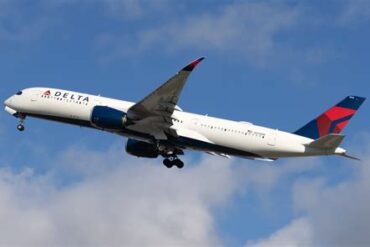
The skies over Seattle are about to get more crowded — and far more competitive. Delta Air Lines has announced two bold new transatlantic routes from Seattle-Tacoma International Airport (SEA), setting the stage for an intense battle with hometown favorite Alaska Airlines. Beginning in May 2026, Delta will launch nonstop flights to Rome and Barcelona, directly countering Alaska’s ambitious intercontinental expansion.
Delta Counters Alaska’s Rome Move With Transatlantic Expansion
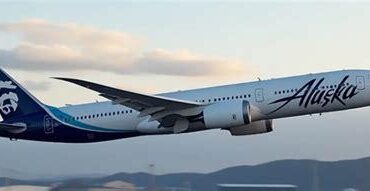
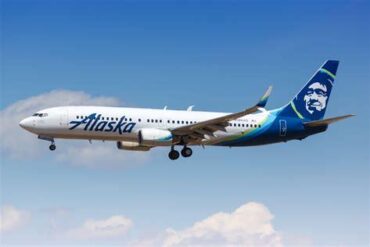
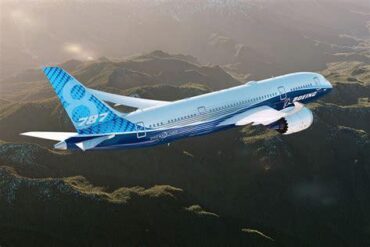
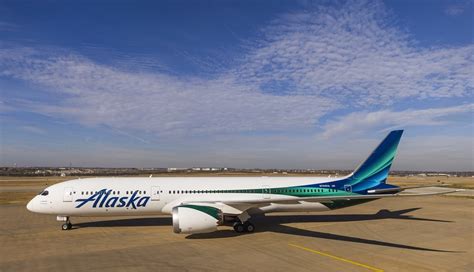
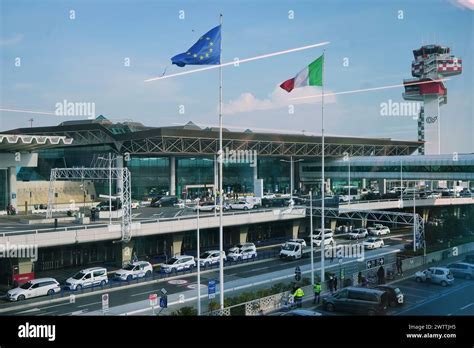
On May 6, 2026, Delta will inaugurate daily nonstop service from Seattle to Rome–Fiumicino International Airport (FCO). The following day, it will introduce a brand-new route to Barcelona–El Prat Airport (BCN). This move is a direct response to Alaska Airlines’ announcement just three weeks earlier: a historic launch of its own branded Seattle-Rome flight using the Boeing 787-9, marking Alaska’s first-ever long-haul service operated under its own livery.
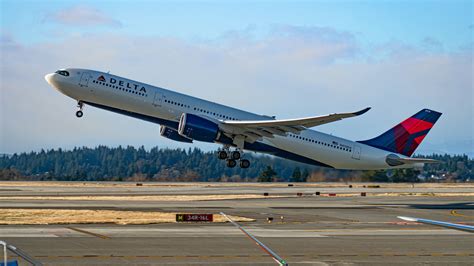
Delta is not only challenging Alaska Airlines’ debut in Rome, but it’s also widening the playing field with an additional European city, strategically outflanking Alaska’s limited long-haul scope. With these additions, Delta will offer service to five major European destinations from Seattle — London-Heathrow, Paris-Charles de Gaulle, Amsterdam-Schiphol, Rome-Fiumicino, and Barcelona-El Prat — cementing its status as a key transatlantic operator in the Pacific Northwest.
Aircraft Deployment and Cabin Configuration
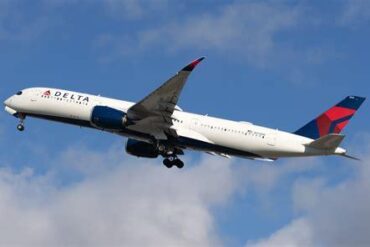
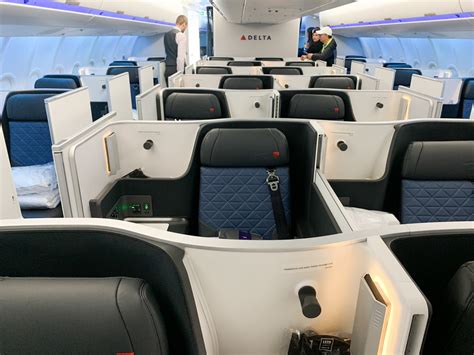
Both the Rome and Barcelona routes will be operated by the Airbus A330-900neo, a next-generation widebody aircraft optimized for fuel efficiency and passenger comfort. Each aircraft is configured with 281 seats across four distinct cabin classes:
- 29 Delta One Suites featuring lie-flat beds and privacy doors (22.5-inch width; 79–80-inch bed length)
- 28 Premium Select seats (18.5-inch width; 38-inch legroom)
- 56 Comfort+ economy seats (18-inch width; 34-inch pitch)
- 168 Main Cabin economy seats (18-inch width; 31–33-inch pitch)
The use of the A330neo on these routes is a tactical decision. As Delta shifts its A350-900s toward transpacific routes, it frees up A330neos for transatlantic expansion — a reshuffling that reflects both fleet flexibility and strategic positioning in an increasingly competitive market.
Why Rome and Barcelona — And Why Now?
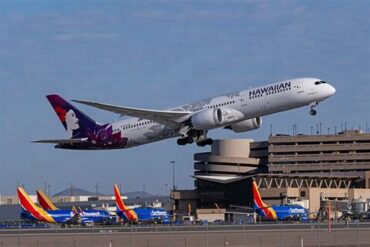
Delta’s announcement comes just weeks after Alaska Airlines signaled its own global intentions with its first branded intercontinental route to Rome. This flight, operated by a Hawaiian-acquired Boeing 787-9 Dreamliner, is not just a novelty — it’s a marker of Alaska’s transformation from a domestic to international contender.
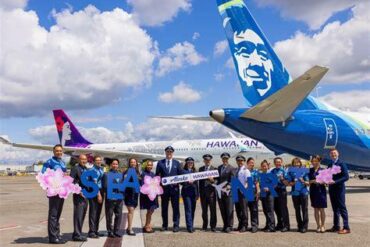
The Rome service will be operated four times per week by Alaska crews and aircraft, representing a pivotal shift in Alaska’s identity and capabilities. With the Hawaiian Airlines acquisition, Alaska Airlines has gained access to 24 Airbus A330-200s and 12 Boeing 787-9s, empowering it to serve long-haul markets previously beyond reach.
In direct response, Delta’s entry into Rome — and further, into Barcelona, a city untouched by Alaska’s international network — is not just about route development. It is an assertion of dominance, a signal to travelers that Delta will not relinquish Seattle’s skies without a fight.
Alaska’s Widebody Ambitions Disrupt Delta’s Advantage
For years, Delta’s long-haul network gave it an edge in Seattle, allowing it to poach premium customers from Alaska’s largely domestic base. That advantage is now rapidly dissolving. The Hawaiian acquisition turned Alaska into a dual-brand powerhouse, capable of operating flights to Asia and Europe from its Pacific Northwest hub.
Already, Alaska (under the Hawaiian brand) has launched an A330-200 service to Tokyo-Narita, with Seoul flights onboard 787-9 Dreamliners following shortly. But the Rome route is a major milestone: the first time an Alaska-branded aircraft and crew will fly an intercontinental route — bypassing the Hawaiian identity entirely.
This shift undermines Delta’s most critical Seattle differentiator: global connectivity. Delta’s new routes are thus as much about maintaining strategic positioning as they are about opening new markets.
Inside Delta’s Larger Seattle Strategy
Delta has been investing in Seattle for over a decade, declaring it a hub in 2014 and gradually scaling operations to match Alaska’s dominant presence. However, as Alaska controls roughly 50% of the Seattle market share, Delta must rely on differentiation — long-haul connectivity, premium services, and loyalty benefits — to win over travelers.
Recent moves highlight Delta’s broader commitment:
- A new Seattle A350 pilot base, confirming long-term transpacific plans.
- Consolidation of transatlantic routes with A330-900neos, freeing A350s for Asia.
- Two new Delta lounges at SEA: a two-story 24,000 sq ft Delta One Lounge in Concourse A, and an additional SkyClub, the airport’s third.
These infrastructure investments show Delta isn’t just reacting — it’s entrenching. As the Pacific Northwest becomes a new battleground for international aviation supremacy, Delta is preparing for a long campaign, not just a skirmish.
Will the Market Support This Growth?
The expansion of long-haul capacity from Seattle raises questions about sustainability. Transatlantic routes like Rome and Barcelona are typically seasonal, often scaled back during winter months due to lower demand. Neither Delta nor Alaska has confirmed whether these new flights will operate year-round.
Moreover, both carriers will need to balance yield management and load factors. Long-and-thin routes — those with fewer passengers and longer distances — are notoriously difficult to keep profitable without strong brand loyalty or connecting traffic.
However, Seattle’s demographic — affluent, tech-savvy, and globally mobile — gives both carriers an edge. The city is home to Amazon, Microsoft, Starbucks, and Boeing, all of which generate significant international business travel demand. Leisure demand to Southern Europe also remains robust, with Rome and Barcelona consistently ranking as top summer destinations.
The Consumer Wins: Increased Choice, Better Service
While the airlines battle for market share, travelers stand to benefit most. More routes mean greater flexibility, more competitive pricing, and — especially in premium cabins — enhanced onboard products.
With Delta offering its acclaimed Delta One suites, and Alaska debuting a brand-new long-haul product onboard the 787-9, both carriers are setting a high bar. From lie-flat seats and fine dining to curated amenity kits and upgraded lounges, Seattle-based travelers now have options that rival those from more established transatlantic hubs like New York or Chicago.
Moreover, airline loyalty programs will play a pivotal role. Delta’s SkyMiles and Alaska’s Mileage Plan are two of the most popular frequent flyer programs in the U.S. The choice of which airline to fly may come down to elite status perks, upgrade opportunities, and international lounge access.
A Defining Moment in the Seattle Aviation Landscape
The announcement of Delta’s new Rome and Barcelona routes is far more than just network expansion — it is a strategic countermove in a rapidly evolving chess match. With Alaska Airlines emerging from its domestic roots to claim long-haul credibility, Delta is reinforcing its global brand and premium image.
As of May 2026, Seattle will offer:
- Delta service to five European cities from SEA
- Alaska Airlines’ debut of its own international long-haul flights
- Two highly competitive airlines with deep pockets, strong loyalty programs, and global ambitions
In the long term, only the most agile, customer-focused, and network-optimized carrier will win this battle. For now, however, the skies over Seattle promise a golden age of connectivity — and passengers have front-row seats.