Delta Air Lines has unveiled a strategic overhaul of its transatlantic schedule for Summer 2026, responding to evolving demand patterns, a surge in early-season travel interest, and the broader reshaping of the international aviation landscape. These network adjustments, which include early resumptions on several popular European routes and the discontinuation of select underperforming services, highlight Delta’s data-driven agility in matching supply with profitable passenger trends across Europe.
Delta’s changes come amid a broader boom in U.S.–Europe travel bookings, which saw a 12% year-over-year increase, according to recent data from the International Air Transport Association (IATA). The airline’s strategy focuses on optimizing its seasonal deployment by prioritizing high-yield destinations and earlier spring travel timelines, capitalizing on shifting vacation habits and the extended popularity of shoulder-season itineraries.

Early Launch of Key European Routes for Spring 2026
In a decisive move to cater to growing demand for early-spring travel, Delta is accelerating the start dates of several transatlantic routes. These adjustments are specifically crafted to leverage strong U.S. outbound interest toward Southern and Southeastern Europe.
The route changes include:
New York (JFK) – Naples (NAP)
Starting March 28, 2026, nearly two months earlier than previously scheduled, this route underscores the increased appeal of Southern Italy during the early spring season. Naples serves as a gateway to the Amalfi Coast, Capri, and Pompeii, and Delta’s early return positions the airline to attract high-value leisure traffic well ahead of summer.
Minneapolis–St. Paul (MSP) – Rome (FCO)
Flights will begin on March 29, 2026, reflecting strong demand from the U.S. Midwest to Italy’s iconic capital. The timing is especially significant, as Rome’s tourism economy continues to expand its appeal to shoulder-season travelers seeking cultural and culinary escapes outside of peak months.
Atlanta (ATL) – Athens (ATH)
Returning on March 9, 2026, this route launches several weeks earlier than previous years, acknowledging Greece’s lengthened tourism season. With Athens increasingly attracting pre-summer travelers, this adjustment enables Delta to offer early access to Mediterranean cruises and archaeological experiences during milder spring temperatures.
New York (JFK) – Catania (CTA)
The seasonal service to Sicily resumes on May 7, 2026, approximately three weeks ahead of prior schedules. Catania has emerged as a rising star in Mediterranean tourism, renowned for its baroque architecture, coastal cuisine, and proximity to Mount Etna. Delta’s service supports both leisure and diaspora travel to the island.
These strategic earlier launches are part of Delta’s broader initiative to stay ahead of seasonal travel curves, acknowledging that peak demand no longer strictly aligns with traditional summer months. Instead, early spring is rapidly becoming a core window for U.S. travelers heading to Europe, especially for destinations that offer temperate weather, local festivals, and reduced crowding.
Discontinued Routes Reflect Data-Driven Optimization
While Delta is expanding some services, it is also cutting underperforming routes, reflecting the airline’s sharp focus on profitability and yield management. Two transatlantic routes are notably absent from the Summer 2026 schedule:
Atlanta (ATL) – Marrakech (RAK)
This short-lived North Africa route will cease operations after May 20, 2026. The decision highlights inconsistent demand patterns and operational challenges in sustaining year-round interest between the U.S. Southeast and Morocco. Despite initial optimism about diversifying Delta’s European-Mediterranean offerings, the route failed to generate stable traffic volumes.
New York (JFK) – London Gatwick (LGW)
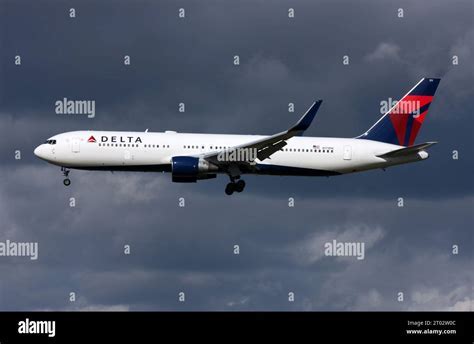
The omission of Gatwick from the schedule is perhaps more surprising. Despite LGW’s 15% increase in transatlantic traffic last year, Delta is pivoting its London strategy. Analysts suggest that the airline is consolidating operations around Heathrow, where Delta partners closely with Virgin Atlantic and can offer smoother premium and interline connectivity. This shift indicates a focus on yield over volume in highly competitive transatlantic markets.
Strategic Implications for Delta’s Transatlantic Network
The 2026 changes reflect more than just calendar shifts—they represent a strategic recalibration in Delta’s global network planning. Several key factors inform these decisions:
- Traveler Behavior Evolution: Vacation planning now often begins earlier in the year, driven by flexible work arrangements, weather considerations, and off-season pricing. Delta is adapting by deploying capacity when and where demand materializes sooner.
- Profitability-First Route Planning: Every route is measured not just on seat fill but also yield per seat, competitive pressure, and loyalty program synergies. The trimming of Marrakech and Gatwick speaks to a meticulous rebalancing.
- Partner Integration: The move away from LGW bolsters cooperation with SkyTeam and joint venture partners at major hubs like Paris Charles de Gaulle, Amsterdam Schiphol, and London Heathrow. These hubs offer deeper network connections and shared revenue models.
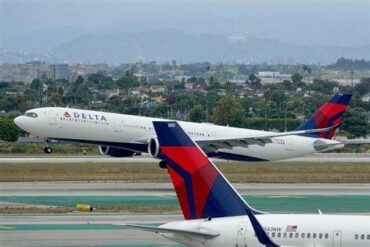
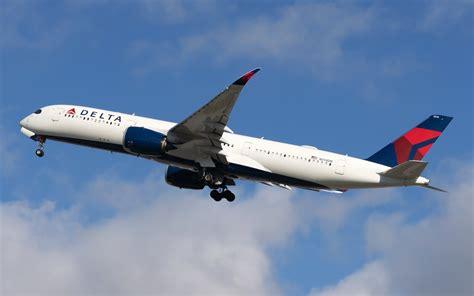
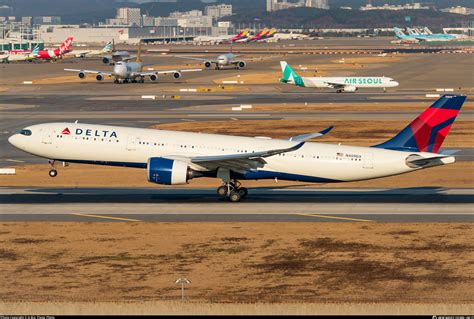
- Fleet Flexibility: Delta’s widebody fleet, including the Airbus A330-900neo and A350-900, allows for precise seasonal deployment, maximizing aircraft utilization during profitable periods and minimizing exposure to low-demand stretches.
The net effect is a transatlantic network designed to be lean, profitable, and resilient. These aren’t just seasonal tweaks—they’re core structural changes aligned with post-pandemic realities.
Market Trends Behind the Route Realignments
Industry watchers attribute Delta’s reshuffling in part to Europe’s extended tourism appeal and the robust recovery of the leisure travel segment. Countries such as Italy and Greece are increasingly welcoming American visitors outside of summer, thanks to promotions, mild weather, and pent-up demand.
- In 2024, U.S. to Italy bookings rose by over 14%, driven by multigenerational travel, food tourism, and heritage exploration.
- Greece, meanwhile, has invested in digital tourism infrastructure and off-peak marketing, helping sustain year-round interest.
- Sicily, with cities like Catania and Palermo, has benefited from a wave of American travelers looking beyond traditional destinations.
On the downside, North Africa continues to face infrastructure and perception challenges, contributing to Delta’s caution in markets like Marrakech. Meanwhile, capacity overhang at London airports, coupled with slot constraints and shifting loyalty dynamics, is driving consolidation around more lucrative points of sale.
What It Means for Summer 2026 Travelers
For U.S. travelers planning trips to Europe in Spring and Summer 2026, Delta’s new schedule presents expanded options and better timing. Whether visiting Naples for Easter, embarking on a Roman holiday in April, or soaking in Greek sunshine before the July heat, these routes deliver convenience and competitive alternatives to other carriers.
Travelers are advised to:
- Book early, especially for March and April departures, as shoulder-season demand continues to rise.
- Monitor route calendars, especially if planning to visit cities like Marrakech or flying via Gatwick, as these will no longer be available through Delta.
- Consider multi-city itineraries made easier by Delta’s extensive European partner network, including Air France, KLM, and Virgin Atlantic.
Conclusion: A Refined Transatlantic Strategy Rooted in Precision and Profitability
Delta Air Lines’ revised Summer 2026 transatlantic network reflects a deliberate, forward-thinking response to changing travel behavior, macro demand trends, and the economics of route performance. By launching flights earlier, focusing on reliable high-performing markets, and trimming underutilized services, Delta positions itself as a leader in transatlantic agility.
The strategy isn’t just about route realignment—it’s about reshaping the U.S.–Europe travel map to meet the needs of today’s travelers, while ensuring that every seat and every mile flown delivers on revenue, loyalty, and long-term viability.