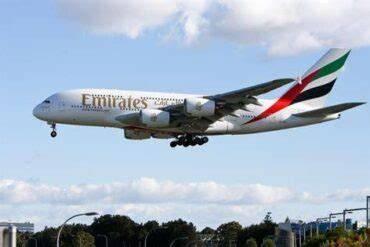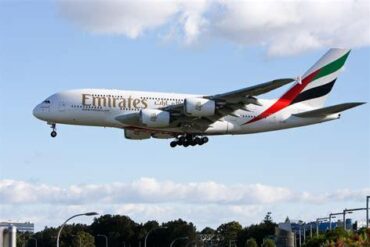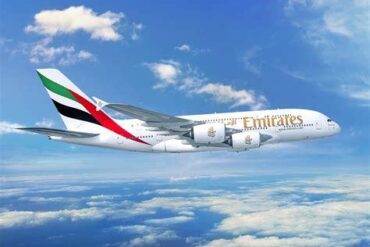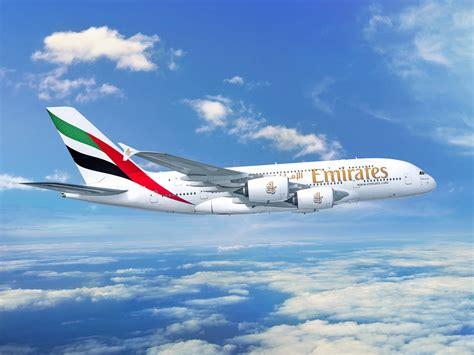
Emirates is embarking on a strategic aircraft realignment for one of its most prestigious European routes, as the airline revises its operations on the Dubai to London Gatwick corridor. Beginning in January 2026, the UAE-based carrier will introduce the Boeing 777-300ER on one of its three daily services, while preserving the Airbus A380 on the other two. This calculated adjustment underscores Emirates’ evolving approach to network optimization, balancing operational flexibility with premium passenger experience.
The move signifies a departure from the route’s longstanding all-A380 service pattern, yet ensures that Gatwick remains one of the few global gateways privileged with multiple daily A380 flights.
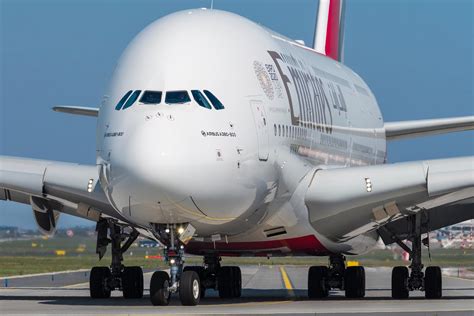
A New Chapter for Emirates’ Gatwick Operations
For years, London Gatwick Airport has served as a vital hub for Emirates, uniquely accommodating three daily A380 flights, a rarity in global aviation. The sheer scale and luxury of the A380 have made it a flagship aircraft on the route, beloved for its spacious cabins, onboard lounges, and first-class shower spa — features that have become synonymous with Emirates’ ultra-premium offering.
However, beginning next year, one daily rotation will transition to the Boeing 777-300ER, introducing enhanced operational flexibility while retaining high service standards. The other two daily flights will continue with the double-deck A380, ensuring Gatwick remains among the select few airports globally to welcome more than one daily A380 arrival.
Boeing 777-300ER: Precision Meets Performance
The decision to incorporate the Boeing 777-300ER reflects Emirates’ ongoing strategy to fine-tune its vast widebody fleet. With its long-haul range, fuel efficiency, and proven reliability, the 777-300ER offers a versatile solution for managing demand fluctuations without compromising frequency or network connectivity.
Though the 777 does not feature the grandeur of the A380’s onboard social spaces or shower suites, it remains a formidable aircraft in Emirates’ lineup. Passengers can expect:
- Lie-flat business class seats with direct aisle access on most configurations
- A spacious, ergonomic cabin across all classes
- The award-winning ICE inflight entertainment system
- Renowned inflight dining and attentive service standards
This adjustment empowers Emirates to align aircraft type with passenger load factors more precisely, especially during off-peak periods, supporting sustainable growth while preserving core route integrity.
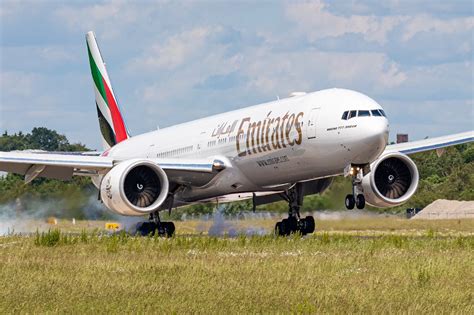
Optimizing the Global Network: Strategic Fleet Deployment
The inclusion of the Boeing 777-300ER on the Dubai–Gatwick route is emblematic of Emirates’ broader approach to fleet realignment and network efficiency. With one of the world’s largest fleets of widebody aircraft, Emirates exercises strategic flexibility, matching aircraft capacity with evolving market demands.
This realignment allows Emirates to:
- Reallocate A380s to high-demand destinations where maximum seat capacity is essential
- Optimize aircraft utilization across its global network
- Maintain consistent service levels on competitive routes like Gatwick
- Adapt swiftly to market changes and seasonality fluctuations
Emirates’ leadership emphasizes that this move does not signify a reduction in service or commitment to the UK market, but rather reflects an agile response to market dynamics while ensuring continued access to the carrier’s expansive global reach.
Gatwick’s Role in Emirates’ UK Expansion
London Gatwick Airport holds strategic significance within Emirates’ UK operations, serving as a key access point for Southern England’s leisure and business markets. The airport’s connectivity complements Emirates’ extensive services from London Heathrow, where the A380 continues to dominate.
Together, Heathrow and Gatwick form a robust dual-hub strategy, granting UK travelers unparalleled access to destinations across Asia, Africa, the Middle East, Australia, and beyond via Emirates’ Dubai hub.
The updated aircraft deployment reinforces Gatwick’s status as a critical player in this network. Maintaining three daily frequencies ensures ample capacity, convenient scheduling options, and sustained accessibility for travelers, regardless of aircraft type.
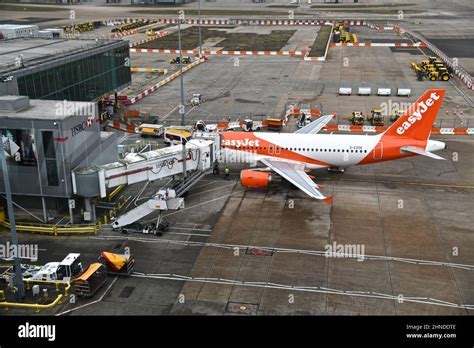
Passenger Experience: Continuity Across Aircraft Types
While aviation enthusiasts and premium travelers may lament the shift from an exclusive all-A380 service, Emirates guarantees that the onboard experience remains world-class across both aircraft types.
The A380 continues to set the bar for inflight luxury, offering features such as:
- The renowned first-class shower spa
- Onboard social lounges and bars
- Expansive cabin space and superior ride quality
Meanwhile, the Boeing 777-300ER, though differing in configuration, delivers a compelling premium product, including:
- Lie-flat business class seating with privacy partitions
- Advanced cabin lighting and inflight entertainment
- Generous legroom and ergonomic seating in economy class
- Emirates’ signature hospitality and culinary excellence
This ensures that whether traveling on the A380 or 777, passengers can expect consistency in Emirates’ service ethos, comfort, and reliability.
Navigating Market Dynamics: Flexibility Is Key
The airline industry remains in a state of evolution, shaped by fluctuating travel demand, shifting passenger preferences, and broader economic factors. The pandemic accelerated the need for flexible fleet management, prompting carriers like Emirates to diversify aircraft deployment strategies.
The A380, with its vast seating capacity, thrives on routes experiencing sustained high demand. However, the Boeing 777-300ER offers a prudent alternative for periods of softer demand, enabling Emirates to:
- Operate economically viable flights during slower seasons
- Preserve schedule consistency
- Respond to market volatility without sacrificing service standards
Such adaptability is essential in a landscape where route performance, passenger expectations, and airline economics intersect.
Looking Ahead: Sustained Commitment to Excellence
The January 2026 changes to the Dubai–London Gatwick route symbolize Emirates’ broader commitment to long-term operational sustainability. By introducing a mixed fleet model, the airline upholds its pledge to deliver seamless connectivity, premium inflight experiences, and efficient service tailored to evolving market realities.
Travelers booking Emirates flights between Dubai and Gatwick can remain confident in the airline’s dedication to:
- High service frequency with three daily flights
- Luxurious, consistent product offerings on both the A380 and 777
- Reliable access to Emirates’ extensive global route network
- Continuous enhancement of operational efficiency and passenger satisfaction
As global aviation continues its post-pandemic recovery and transformation, Emirates’ agile approach to fleet deployment underscores its position as a leader in connecting people, cultures, and economies worldwide.
The Dubai–Gatwick route exemplifies the airline’s enduring reputation for excellence, ensuring that passengers experience comfort, convenience, and world-class service — whether aboard the iconic Airbus A380 or the versatile Boeing 777-300ER.